To support Vietnamese enterprises in building a safe and sustainable digital environment, tech giant FPT Corporation, in collaboration with Aon, a global professional services firm that offers a wide range of risk-mitigation products, held a conference themed ‘Cybersecurity and Insurance – Dual Shields Against Digital Threats’ on September 26 in Ho Chi Minh City.

The event brought together technology, cybersecurity, and governance leaders from the banking–finance, healthcare, energy, and logistics sectors. Discussions extended beyond defensive solutions for cyber incidents, placing particular emphasis on the importance of risk management as a core component of sustainable development strategies.

Speaking at the event, Dang Truong Thach, executive vice president at FPT IS, FPT Corporation, highlighted the growing financial impact of cybercrime.

“Losses from cyberattacks are increasing rapidly each year. From $9.5 trillion in 2024, the figure could reach $17.9 trillion by 2030. This growth illustrates the escalating danger of cyber threats and the urgent need to strengthen security in today’s complex digital environment. Businesses are not only facing financial risks, but also customer distrust, operational disruption, and reputational damage,” he said.
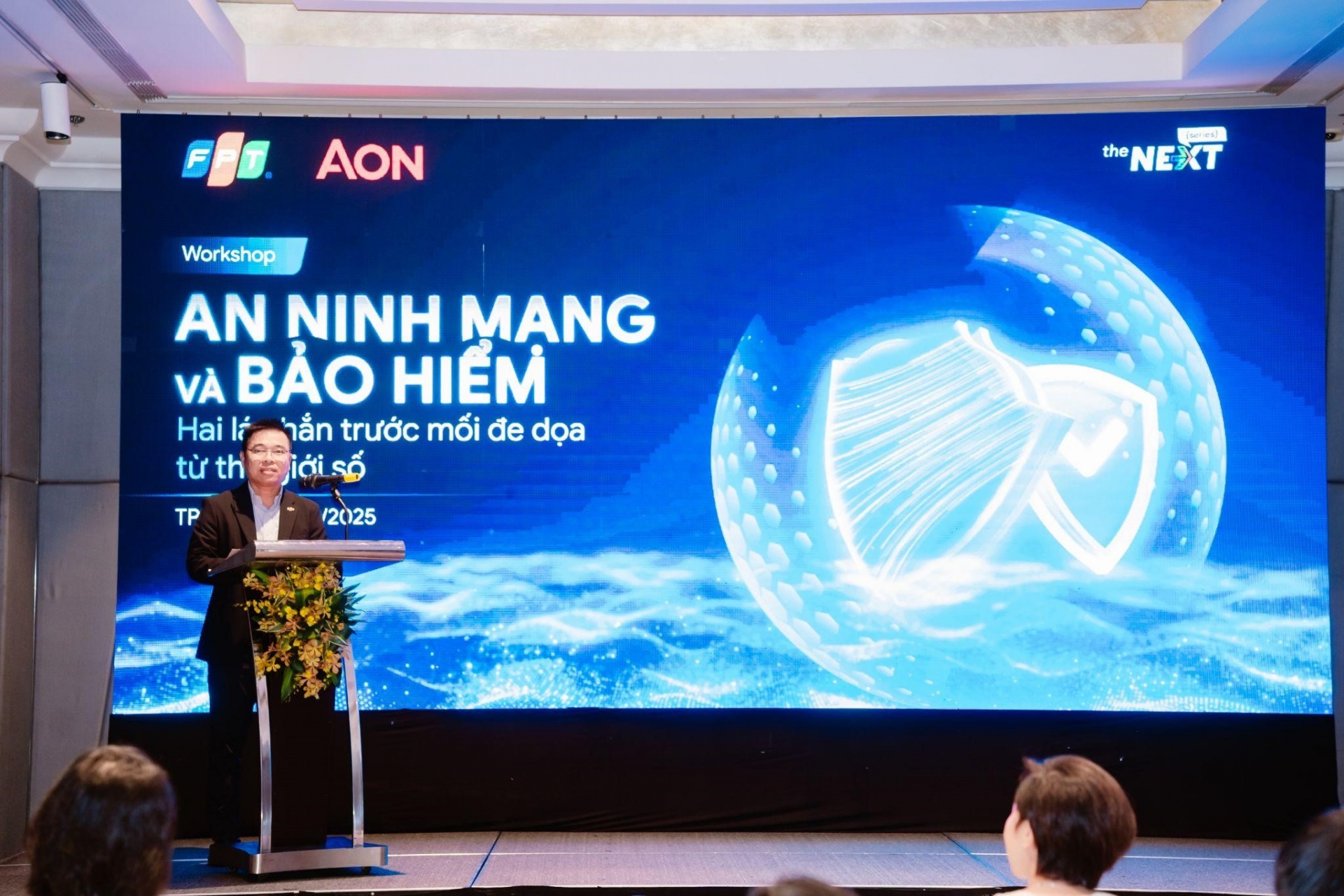
FPT and Aon join forces with enterprises to build strong digital shield
Dang Truong Thach, executive vice president at FPT IS, FPT Corporation

Nguyen Thanh Binh, global cybersecurity consultant at FPT IS, noted that AI is both a hugely powerful tool and a potentially dangerous weapon.

“With its superhuman speed and analytical accuracy, AI delivers substantial benefits to enterprises. However, alongside these advantages, it also exposes vulnerabilities that can be exploited by malicious actors, while ordinary users may be easily exposed to risks if they are not adequately equipped, governed, and guided,” said Binh.

AI poses a dual challenge: externally, by enabling hackers to generate sophisticated malware and execute advanced phishing schemes; and internally, where risks arise from employees unintentionally leaking data, violating compliance requirements, or over-relying on AI in ways that undermine business operations and corporate reputation.

FPT and Aon join forces with enterprises to build strong digital shield
Nguyen Thanh Binh, global cybersecurity consultant at FPT IS, FPT Corporation

To address this, Binh proposed a unified strategy centred on the integration of Security Operations Centres (SOC) and Governance, Risk and Compliance (GRC).

The SOC functions as the ‘central nervous system’, continuously monitoring IT infrastructure and detecting even AI-generated malware through a combination of behavioural analytics and traditional signature-based detection.

Meanwhile, GRC strengthens internal governance by developing policies, processes, and data controls, ensuring regulatory compliance, and fostering employee awareness of risk and security principles in AI adoption.

This connection between SOC and GRC provides enterprises with a comprehensive shield against increasingly complex risks. For example, if the SOC detects unusual activity from an employee, this data can be escalated to GRC for analysis, leading to targeted training, process adjustments, or the introduction of new controls.

Cyber ​​insurance: the financial shield

The second half of the conference focused on cyber insurance as a financial safeguard against digital risks. Representatives from Aon – Andrew Mahony, cyber s​olutions leader, Asia, and Dang Ngoc Lien, country leader, financial service and professional group, provided insights from the insurance market.

They remarked, “About 10 years ago, when discussing cyber risks or cyber insurance, these were largely theoretical concepts, seen as distant and impractical, especially in Asia. Over the past decade, however, we have witnessed significant progress in both cybersecurity and cyber insurance.”
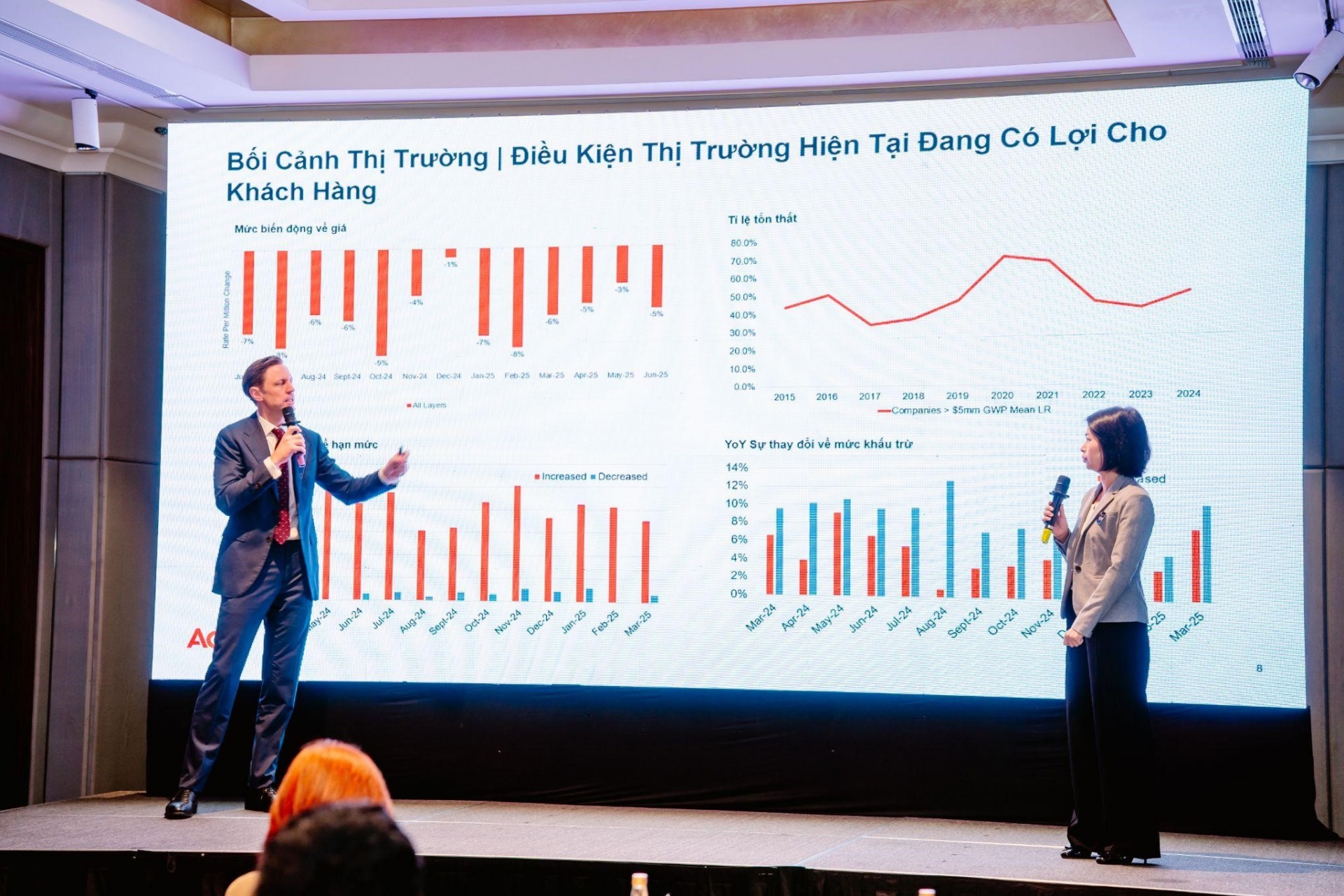
FPT and Aon join forces with enterprises to build strong digital shield
Aon’s presentation about the cybersecurity insurance ‘shield’ for enterprises

The market has transformed with major shifts, moving from the ‘hard’ conditions of the COVID-19 era, driven by rampant ransomware, to a ‘soft’ market today offering greater flexibility and more affordable premiums.

However, the sharp increase in claims since 2024 indicates that the market will soon tighten again, making this the right moment for businesses to invest.

To access effective coverage, enterprises must demonstrate their cybersecurity readiness through measures such as multifactor authentication, data backups, and 24/7 SOC operations, while also partnering with technology providers like FPT to demonstrate strong risk management practices. Such preparation enables businesses to secure more favourable policy terms and premiums.

The collaboration between FPT and Aon provides enterprises with a unique advantage. FPT fortifies defences through comprehensive security solutions, while Aon advises on risk and brokers insurance using tools such as Security Quotient and Cyber ​​Risk Analyser. These tools help businesses quantify risks, optimise policy limits and costs, and strengthen their negotiating positions with insurers.

The conference concluded with a clear message: in the digital era, the ‘dual shield’ – combining FPT’s integrated security strategy with Aon’s cyber insurance solutions – offers the most effective protection for enterprises.

Beyond securing technology, strengthening internal governance, and raising employee awareness, this dual approach also establishes a strong financial foundation, enabling businesses to grow sustainably and confidently navigate an increasingly volatile digital landscape.

ATEC and FPT team up to drive innovation in Japan's automotive industry ATEC and FPT team up to drive innovation in Japan’s automotive industry

FPT and ATEC, a Japanese automotive software development firm, have signed an MoU to establish a strategic partnership aimed at continuously innovating in the automotive sector and advancing safer, smarter, and more connected mobility.

FPT partners with ABOV Semiconductor on chip development FPT partners with ABOV Semiconductor on chip development

FPT has signed strategic agreements with ABOV Semiconductor and Gachon University to advance semiconductor technology development and foster high-quality human resource training between Vietnam and South Korea.

FPT boosts presence in South Korea FPT boosts presence in South Korea

Vietnamese technology group FPT is strengthening its footprint in the South Korean market to drive AI-powered low-code adoption globally.

At AWS Cloud Day Vietnam 2025 on September 18 in Hanoi, AWS and Strand Partners released the results of a survey examining AI adoption, innovation, and economic competitiveness in Vietnam. The survey gathered insights from 1,000 businesses and 1,000 citizens, assessing how companies and individuals are adapting to AI.

Nick Bonstow, director at Strand Partners, said, “We are at a pivotal moment in the digital transformation journey for Vietnam, with AI adoption rates accelerating significantly.”

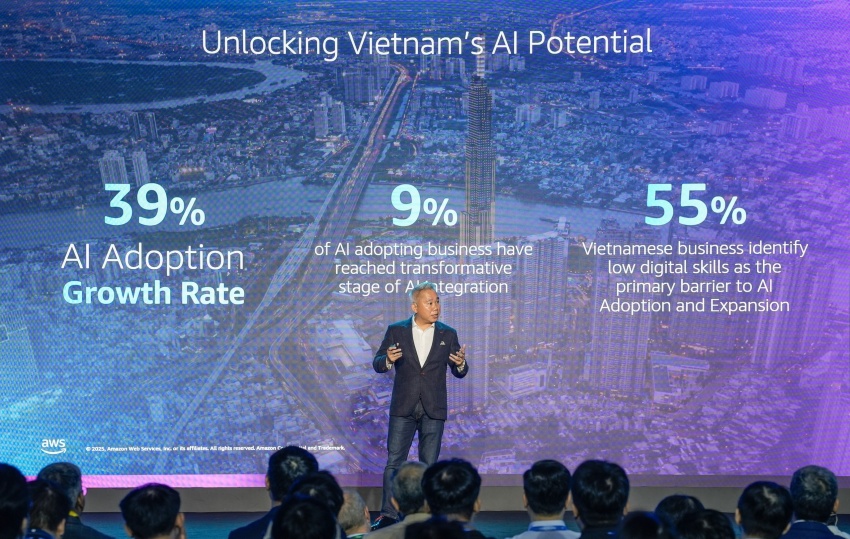
The survey found that 18 per cent of Vietnamese firms now use AI regularly, up from 13 per cent a year ago, representing growth of 39 per cent on-year.

Companies that have adopted AI are seeing tangible benefits: 61 per cent report increased revenue, with an average gain of 16 per cent.

Vietnamese firms accelerate AI adoption amid untapped potential
Eric Yeo, Country general manager, AWS Vietnam at AWS Cloud Day 2025. Photo: AWS

66 per cent of those who have adopted AI have already experienced productivity gains. These productivity gains are coming from a wide range of sources, especially through enhancing customer service and relationships (35 per cent), and the automation of routine tasks (29 per cent).

Nick Bonstow, however, admitted that while AI adoption is increasingly widespread around Vietnam, many are not yet harnessing AI for its more advanced purposes. 74 per cent of businesses remain focused primarily on more basic uses of AI, and on incremental gains (e.g., driving efficiencies and streamlining processes), rather than innovation (e.g., developing new products or disrupting industries).

A smaller share, 17 per cent of Vietnamese businesses, have advanced to the intermediate stage of AI integration. And only 9 per cent of Vietnam companies have reached the most transformative stage, where they are using AI for its most advanced purposes.

Regarding startups, they aren’t just using AI – they’re building entirely new products and business models around it that would have been impossible just years ago. 55 per cent of startups say they are leveraging AI in some way throughout their business.

31 per cent have AI at the core of their business proposition. 35 per cent of startups are developing new AI-driven products and services. Looking ahead, 91 per cent of startups believe AI will fundamentally transform their industry within the next five years.

For large enterprises, their adoption of AI is strong, but their adoption is more basic and focused on incremental gains such as driving efficiencies, rather than innovation. 41 per cent of large enterprises are using AI, compared with 55 per cent of startups.

“This risks a two-tier AI economy, where startups are surging ahead with AI integration and adoption. If not addressed, this two-tier AI economy – with tech-driven startups outpacing larger enterprises in AI innovation – could shape Vietnam’s economic future,” said Nick Bonstow.

According to the representative of Strand Partners, moving beyond basic AI use for businesses of all sizes is key to unlocking the full benefits of AI for Vietnam’s economy and society. The potential economic impact is significant; in 2023, cloud and cloud-enabled AI contributed $1.5 billion to Vietnam’s GDP.

Further research estimates that across the Asia-Pacific region, cloud and cloud-enabled AI together could contribute up to $2.9 trillion, with $203 billion coming from AI alone.

Despite these, Nick Bonstow shared that businesses said that several barriers are limiting them from adopting the technology more profoundly. They include lack of skilled workers a top reported barrier, compliance and perceived costs, regulatory uncertainty.

“Vietnam has the right tools and the ambition to lead in AI,” said Eric Yeo, Country general manager, AWS Vietnam. “We encourage policymakers and industry leaders to take action to unlock Vietnam’s AI potential across both startups and large enterprises, by boosting digital skills training, providing clarity in regulation and adopting a pro-growth approach, and finally by modernising the public sector technology.”

Vietnamese firms accelerate AI adoption amid untapped potential
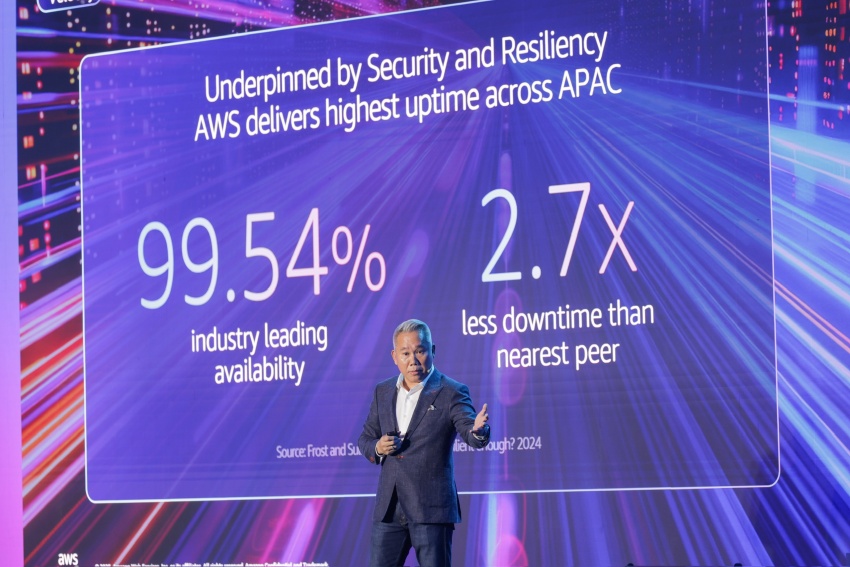
Photo: AWS

Yeo noted that the AI trend is clear: acceleration. AWS is committed to supporting businesses in Vietnam to drive long-term impact and help grow the local economy. AWS has been at the forefront of the Vietnam’s digital transformation journey since establishing its local presence in 2017.

Through strategic infrastructure investments including AWS Outposts (2021), an upcoming AWS Local Zone in Hanoi, and Edge locations in Hanoi and Ho Chi Minh City (2022), AWS has built a robust foundation for ultra-low latency workloads across the country.

Over 100,000 individuals have been trained in cloud and AI in Vietnam since 2017. And in 2023, AWS rolled out the ‘AI Ready’ initiative, offering free AI and generative AI courses – 30 in Vietnamese to date – to help learners gain in-demand skills and access career opportunities.

“We are focused on helping organisations of all sizes across Vietnam to migrate IT workloads to cloud to support their digital-first strategies, and accelerate AI adoption and innovation end-to-end, from experimentation to real life applications,” said Yeo.

“AI is the biggest opportunity since cloud computing, and possibly since the internet. We look forward to collaborating with governments, businesses, and startups to unlock Vietnam’s AI potential,” he added.

At present, AWS is driving innovation with organisations across Vietnam, from fast-moving startups to leading brands and public sector organisations, such as AI Hay, Techcombank, VIB, VPBank, Gamota, Katalon, TymeX.

For instance, AI Hay is a Vietnam-first, AI-powered platform revolutionizing knowledge discovery through social, community-driven GenAI search. Since launch, the app has now had over 15 million downloads and processed over 100 million questions monthly, serving millions of Vietnamese daily.

Elsewhere, Techcombank, one of Vietnam’s leading banks, is accelerating digital banking with Amazon Q Developer. An initial pilot with 50 developers delivered strong results, 80 per cent satisfaction and clear gains in productivity and code quality, prompting a rapid scale-up to 600 developers. This has now been rolled out to more than 1,000 developers across TCB.

By using features like Code Suggestions and AI Commit Message, Techcombank cut development time, saving 572 days of manual effort in just three months, a 30 per cent productivity boost.

According to Eric Yeo, “Vietnam businesses show strong AI innovation adoption, demonstrating significant economic potential. However, our research reveals critical barriers, particularly for larger enterprises looking to deepen AI implementation.”

“To maintain Vietnam’s competitive position globally, government and industry must address these specific challenges. AWS remains committed to accelerating GenAI adoption through our infrastructure investments and skills training initiatives,” he added.

Vietnam accelerates cloud computing to power digital economy growth Vietnam accelerates cloud computing to power digital economy growth

As Vietnam ramps up the development of cloud computing to drive its digital economy, new capabilities are expected to support both public and private sector transformation.

VPBank leverages AWS Skill Builder to fuel digital transformation VPBank leverages AWS Skill Builder to fuel digital transformation

VPBank announced on August 7 that it has integrated Amazon Web Services’ (AWS) Skill Builder into its cloud computing training programme to foster continuous learning at scale.

The draft consists of six chapters and 29 articles, reducing six articles, with some changes compared to the current law. It is expected that the amended law will be submitted to the National Assembly for consideration and approval at its upcoming 10th session.

The workshop was co-chaired by Vu Hai Quan, permanent Deputy Minister of Science and Technology, and Nguyen Phuong Tuan, Vice Chairman of the NA Committee on Science, Technology and Environment, with the participation of NA deputies, experts, scientists, and businesses.

Perfecting legal corridor to boost high-tech sector
The workshop was co-chaired by Vu Hai Quan, permanent Deputy Minister of Science and Technology, and Nguyen Phuong Tuan, Vice Chairman of the NA Committee on Science, Technology and Environment. Photo: MST

According to Quan, the amendments aim to concretise the Party’s policies, especially Politburo Resolution No. 57-NQ/TW dated December 2024 on breakthroughs in science and technology development, innovation, and national digital transformation. The resolution identifies high technology as a driving force for the country’s industrialisation and modernisation. Therefore, the amended law needs to create a transparent, stable, and attractive legal corridor; promote research, development, application and transfer of high technology; and encourage domestic and foreign enterprises to invest.

The draft inherits as much as possible of the relevant regulations, and at the same time adjusts according to the new management thinking: effective management instead of process management. The law focuses on attracting social resources and encouraging businesses to fund research and development (R&D) in high technology, instead of relying solely on the state budget.

The law focuses on six policy groups, including completing the concept and criteria of high technology; redesigning the system of policies and beneficiaries of priority policies, incentives, and investment support; encouraging the development of the high-tech ecosystem; supplementing new regulations on high-tech park and high-tech urban models; supplementing and completing state management regulations on high technology, management, inspection, supervision, and efficiency assessment mechanisms; and supplementing regulations on requirements for comprehensive digital transformation of high-tech activities.

At the event, participants highly appreciated the draft law for covering the basic necessary contents. However, many opinions said that it is necessary to supplement clearer regulations on incentive mechanisms, criteria for establishment and operation of high-tech zones, high-tech urban areas, and high-tech agricultural zones, associated with ensuring security and safety, especially for foreign-invested projects.

They also proposed separate provisions on the development of high-tech industries, strategic industries, and supporting industries, serving the development of high-tech industries, with specific policies such as improving business capacity, supporting participation in the supply chain, and encouraging the production of components and core materials.

Perfecting legal corridor to boost high-tech sector
Photo: MST

In addition, there should be policies to encourage domestic enterprises to transfer technology after mastering, pay attention to the development of high-tech industries and strategic technologies, and have incentive mechanisms that are strong, clear, and consistent with relevant laws to increase feasibility and consistency in implementation.

Tuan emphasised, “To have a good and feasible law, it is necessary to first finalise the concepts, terminology, and application criteria clearly and easily. However, it is also important to note that in all issues of technology transfer, digital transformation, AI, high technology, and people are still the core factor. Therefore, it is necessary to have a strong enough policy to train, attract, and retain high-quality human resources, but must avoid overlapping with the provisions of other laws.”

Ho Chi Minh City seeks US investment in green and high-tech sectors Ho Chi Minh City seeks US investment in green and high-tech sectors

Chairman of Ho Chi Minh City People’s Committee Phan Van Mai has invited US corporations to invest in the sustainable and high-tech sectors, aligning with the city’s green growth strategy for 2030 and beyond to 2050.

Dassault Systèmes and Viettel ink MoU to boost Vietnam’s high-tech sector Dassault Systèmes and Viettel ink MoU to boost Vietnam’s high-tech sector

Dassault Systèmes and Viettel signed an MoU to strengthen strategic cooperation in AI, machine learning (ML), digital design, and simulation on August 20.

Vietnamese industry moves towards greener and high-tech future Vietnamese industry moves towards greener and high-tech future

Vietnam’s industrial sector is accelerating its shift towards sustainability and advanced technologies, with green manufacturing, semiconductors, and data infrastructure emerging as new growth pillars.

UOB raises Vietnam 2025 growth forecast to 7.5 per cent

Following 7.5 per cent growth in the first six months and expectations of further stimulus, UOB revised its full-year GDP forecast to 7.5 per cent, up from 6.9 per cent. Vietnam’s real GDP expanded 7.96 per cent on-year in the second quarter, outpacing Bloomberg’s 6.85 per cent estimate and UOB’s own 6.1 per cent projection, bringing first-half growth to its highest level since 2011.

UOB’s September 17 report highlighted that Vietnam’s strong first-half growth was underpinned by a 14 per cent on-year export surge, boosted by improved sentiment after the US lowered its ‘Liberation Day’ tariff on April 2 to a temporary 10 per cent baseline for 90 days. Tariff uncertainty eased further in the second half as the US finalised country-specific rates ahead of the August 1 deadline, with Vietnam’s rate set at 20 per cent.

Data from July indicates that growth momentum remains positive, though the outlook is tempered by tariff developments. Exports rose 17 per cent on-year to a record $42.3 billion, bringing year-to-date growth close to 16 per cent. However, the trade surplus narrowed to $9.5 billion in the first seven months, compared to $14 billion a year earlier, due to higher imports from front-loaded export orders.

“Despite tariff pressures, annual exports could still rise by about 10 per cent (compared to 14 per cent in 2024), assuming a moderate 1–5 per cent pace for the rest of 2025,” UOB said in the report.

Other indicators also signal resilience. The Purchasing Managers’ Index rebounded to 52.4 in July after three straight months below 50, while manufacturing output rose 9 per cent on-year despite a high base. Overseas capital inflows remained strong, with $13.6 billion in realised investment as of July, up from $12.6 billion in the same period last year, suggesting full-year inflows could surpass $20 billion (compared to $25.4 billion in 2024).

Amid external headwinds, Vietnam announced a $48 billion infrastructure scheme in mid-August, spanning 250 projects. Of these, 129 state-funded initiatives worth $18 billion will prioritise urban development and transport, while 121 projects valued at $30.5 billion will draw financing from other sources, including foreign enterprises.

“Despite tariff threats and uncertainty, Vietnam’s economy continues to show resilience and dynamism. Export performance has been particularly strong, though risks remain if US demand weakens amid tariff-induced price pressures,” UOB said.

Following robust 7.5 per cent growth in the first half of 2025 and expected support from stronger government investment, UOB revised its full-year GDP forecast to 7.5 per cent, up from 6.9 per cent previously and just under 7.1 per cent in 2024. Growth is projected at 7.6 per cent on-year in the third quarter and 7.2 per cent in the fourth. For 2026, UOB maintains its projection at 7 per cent. By comparison, the government is targeting 8.3–8.5 per cent growth this year.

Inflation, however, shows little sign of easing. Headline inflation reached 3.3 per cent year-to-date in July, versus 3.6 per cent on average in 2024 and 3.26 per cent in 2023. Housing and construction materials (5.9 per cent on-year average so far, with an 18.8 per cent weighting) and healthcare (18 per cent on-year average, with a 5.4 per cent weighting) remain the main drivers.

“Combined with decent growth prospects in the second half of 2025 and persistent VND weakness, these factors would constrain the State Bank of Vietnam’s (SBV) ability to ease policy,” UOB said, expecting the refinancing rate to remain at 4.5 per cent.

“If business and labour market conditions deteriorate sharply, there is a possibility for the SBV to cut the refinancing rate in a single step to the COVID-19 low of 4 per cent, though this is not our base case,” the report added.

Bucking the regional trend, the VND slid to a record low of 26,436 per USD in August, down 3.4 per cent year-to-date and marking its fourth straight year of depreciation. While Vietnam secured a trade deal with the US that lowered tariff rates to 20 per cent from the 46 per cent announced in April, uncertainty remains over the 40 per cent transhipment tariff.

“This could prompt firms to reassess supply chain strategies, potentially dampening Vietnam’s attractiveness for foreign investment,” UOB said.

Looking ahead, the VND may continue to underperform compared to regional peers in capturing any upside from expected US Federal Reserve rate cuts. UOB’s upward revision of Vietnam’s GDP growth forecast to 7.5 per cent in 2025, from 7.1 per cent in 2024, could lend some support. Its updated USD/VND projections are 26,300 in the fourth quarter of 2025, 26,200 in the first quarter of 2026, 26,100 in the second, and 26,000 in the third.

Citi raises forecast for Vietnam’s 2025 GDP growth Citi raises forecast for Vietnam’s 2025 GDP growth

Citi remains cautiously optimistic on Vietnam’s growth outlook, although US tariffs on Vietnam will increase post a recently agreed trade deal.

ADB trims Vietnam’s GDP forecast to 6.3 per cent for 2025 ADB trims Vietnam’s GDP forecast to 6.3 per cent for 2025

The Asian Development Bank (ADB) has revised Vietnam’s GDP growth forecast for 2025 down to 6.3 per cent from the 6.6 per cent it predicted in April.

Vietnam’s export resilience tested amid rising US tariff pressure Vietnam’s export resilience tested amid rising US tariff pressure

As the United States slaps a 20 per cent countervailing tariff on Vietnamese exports, concerns loom over the policy’s implications for Vietnam’s growth trajectory. Despite mounting trade headwinds, Le Trung Hieu, deputy director general of the National Statistics Office, outlines why the country remains confident of meeting its ambitious target of over 8 per cent GDP growth in 2025.

World Bank forecasts Vietnam’s GDP growth to reach 6.6 per cent in 2025 World Bank forecasts Vietnam’s GDP growth to reach 6.6 per cent in 2025

Vietnam’s GDP growth is forecast to reach 6.6 per cent in 2025, according to the latest report by the World Bank.

In the world of online betting, promo codes and loyalty programs are essential for maximizing player benefits. Receipt checking and verification play a crucial role in ensuring that these promotional offers are applied correctly and transparently. For users seeking to optimize their returns, understanding the process behind receipt validation and tax implications of winnings is vital. This article explores how the valorbet promo code integrates with loyalty schemes to provide a seamless and beneficial experience.

Tax optimization in betting hinges on accurate record-keeping and verification of transactions. Receipt checking acts as a safeguard, ensuring that all promotional bonuses and winnings are properly documented. This process helps bettors comply with tax regulations and avoid potential discrepancies during audits. Staying informed about relevant legislation, such as the guidelines outlined by the IRS or other financial authorities, is equally important for a comprehensive approach to tax planning.

Practically, bettors can leverage various tools and methods to verify receipts and monitor their betting activities. Platforms offering promo codes like valorbet often include built-in systems for tracking bonuses and loyalty points. For detailed insights into tax legislation affecting betting and financial compliance, one can refer to authoritative resources such as IRS Gambling Income Guidelines. Additionally, recent updates on tax policy changes and enforcement are well-covered by media outlets like Reuters Finance Tax News, helping bettors stay current on compliance requirements.

HID outlines biometric growth strategy in Vietnam
Christian Marcos, regional sales manager for the Philippines and Vietnam, Physical Access Control Solutions at HID

To begin, can you give us an overview of HID’s mission and key activities in identity and access control?

HID has been a pioneer in identity and access control for over 30 years. Headquartered in Austin, Texas, and present in more than 100 countries, HID delivers comprehensive solutions across multiple sectors.

Beyond physical access control, our portfolio spans secure issuance, identity and access management, identification technologies, and biometric solutions. Our mission is to provide secure, trusted identities worldwide, with a core vision of protecting people, places, and things.

HID is known for powering trusted identities. What does that mean in practice for everyday users and organisations?

Access control began with a simple purpose: managing who could open doors, and when. HID has since expanded far beyond physical entry. Today, access is secured through both physical and digital credentials across IT systems, devices, and facilities, from servers and laptops to photocopiers, vending machines, and even EV charging stations.

As technology advances, so do our applications. HID doesn’t just protect doors, but the full range of equipment, systems, and information behind them, ensures only individuals authorised gain access. In short, we deliver trusted security for people, places, and things, wherever it is needed.

Biometric solutions are gaining strong momentum worldwide. In your view, what sets HID’s biometric readers apart from other options in the market?

The market is increasingly embracing biometrics such as facial recognition, fingerprint, and palm identification. HID provides advanced biometric technologies, with a particular focus on facial recognition.

What makes us stand out is our proprietary Paravision algorithm, providing exceptional accuracy and reliability. We also integrate multifactor authentication into one system, combining facial recognition with PINs, cards, mobile credentials, and QR codes, for greater flexibility and security.

Our biometric readers are built for speed and accuracy, ensure smooth, queue-free user experiences, and are IP65-rated for both indoor and outdoor use. This versatility allows users to choose the most convenient access method, whether entering buildings or securing facilities like photocopiers, vending machines, and EV charging stations, an area of ​​growing relevance in Vietnam.

With rising concerns about scams, data criticism, and spoofing attacks, how does HID ensure the privacy and security of biometric data?

We prioritise compliance with international standards. All biometric solutions, especially facial recognition, are rigorously tested to meet global regulations, as biometric data represents a person’s unique identity.

We offer flexible data storage, either embedded on secure cards or kept in protected databases, allowing organisations to control how data is managed.

To strengthen security, HID introduced Seos in 2012, replacing older, clone-prone technologies with advanced, unclonable credentials in both physical and digital forms.

By ensuring compliance, secure storage, and uncopyable credentials, HID keeps biometric identities private, protected, and trusted.

Can you share some of HID’s latest innovations in biometric authentication, particularly those being introduced in Vietnam?

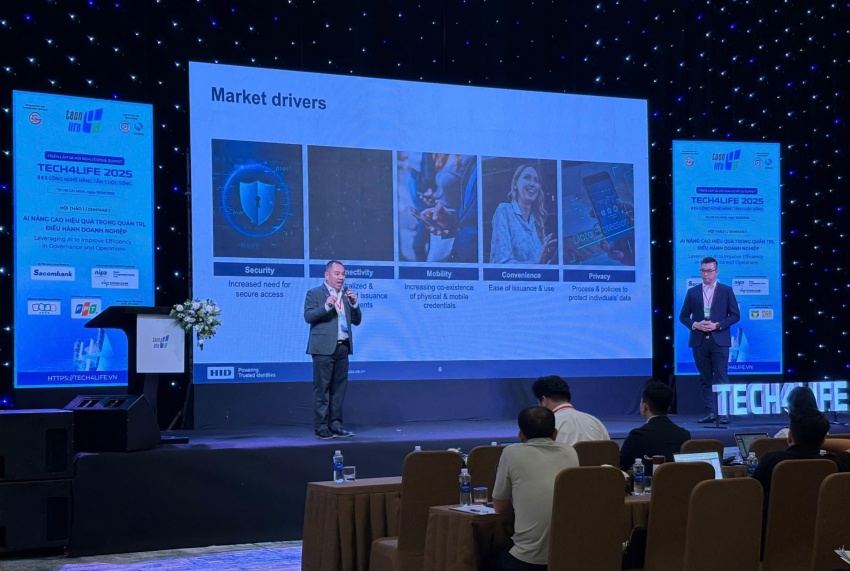
At the Tech4Life 2025 exhibition and conference held in Ho Chi Minh City on September 18 and 19, we unveiled the HID Amico reader, its latest biometric facial recognition reader, soon to debut in Southeast Asia with Vietnam as an early adopter. HID Amico serves diverse industries, supporting multifactor authentication through cards, mobile credentials, QR codes, or PIN codes.

While demand for facial recognition grows, HID prioritises compliance with global data privacy standards to ensure trust and security. The preview in Vietnam marks one of HID’s most significant rollouts in the region, following an exclusive preview for partners in Hanoi.

HID outlines biometric growth strategy in Vietnam
Christian Marcos presented the current market drivers in Vietnam & HID’s latest physical access control solutions at the Tech4Life event

Why was Vietnam selected as one of the first markets for HID’s new biometric innovation?

Vietnam was chosen because of its rapid growth across sectors like transportation, real estate, and manufacturing, where many global brands have set up operations. Our parent company, ASSA ABLOY, already runs two factories here, underscoring the country’s strategic importance.

Vietnam is also emerging as a hub for innovation, with examples like VinFast’s EV taxi service and strong government investment in IT and engineering.

This dynamic environment makes Vietnam an ideal market for HID to introduce trusted identity and secure access solutions while meeting international security standards.

How has HID’s partnership with Vietnam Smart Card Technology JSC helped expand your footprint in Vietnam?

Over the years, HID has cooperated with Vietnam Smart Card Technology to deploy Physical Access Control Systems across multiple sectors, creating a true ‘win-win’ relationship. Global corporations expanding into Vietnam often want to use the same trusted brand as at their headquarters, HID, and continue to choose our solutions for new facilities.

The strength of this partnership comes from combining HID’s global reputation with Vietnam Smart Card Technology’s twenty-plus years of local expertise and strong ties to banks, manufacturers, and the transportation sector. Together, we have built a solid foundation for a long-term, sustainable collaboration.

How do you see the role of biometrics evolving over the next five years, particularly in Vietnam?

Biometrics will become increasingly important over the next five years, especially in Vietnam. Events like Tech4Life highlight how IT, infrastructure, and access control are becoming inseparable.

While AI still raises concerns, technology cannot be stopped; we must adapt. Just as cloud computing was once doubted but is now the standard for securing data, AI and biometrics should be seen not as threats but as tools that enhance security and convenience.

Biometrics are already part of daily life, such as unlocking smartphones with facial or fingerprint recognition. With proper policies and strong data protection, the market will increasingly embrace these solutions.

The future of biometrics in Vietnam and the region is therefore very promising, combining advanced technology with growing user readiness to embrace it.

Vietnam ranks 44th in 2025 WIPO Global Innovation Index

The 2025 WIPO Global Innovation Index (GII) ranks 139 economies. Switzerland leads, followed by Sweden, the United States, South Korea, and Singapore, while others are catching up. China entered the top 10 for the first time, and India, Turkey, Vietnam, the Philippines, Indonesia, and Morocco are all rising fast. Vietnam is one of the middle-income economies within the GII top 70 which has climbed fastest in the ranking since 2013.

The Vietnamese government has assigned the Ministry of Science and Technology to be the focal point for monitoring and coordinating the GII. At the same time, ministries and localities also share responsibility for improving this index. As a result, Vietnam has made marked improvements in its GII rankings, jumping from 59th in 2016 to 44th in 2024.

In the innovation input sub-index, Vietnam moved up three spots to 50th from 53rd in 2023. The innovation output sub-index includes five pillars: institutions, human capital and research, infrastructure, market sophistication, and business sophistication.

Vietnam’s innovation output sub-index slipped slightly from 36th in 2024 to 37th this year. This sub-index reflects performance in knowledge and technology outputs, alongside creative outputs.

Vietnam ranks second in the lower middle-income group, trailing behind India (38th). Other countries ranked above Vietnam in the GII 2025 are mainly high-income, developed economies with a high ratio of research and development spending relative to their GDP, including China (10th), Malaysia (34th), and Turkey (43rd).

ASEAN is gaining ground in the global innovation landscape. Led by Singapore (5th), strong performers also include Malaysia (34th), Vietnam (44th), Thailand (45th), and the Philippines (50th). What is more, Vietnam and Indonesia (55th) continue to rank among the GII’s innovation overperformers, for the 15th and 4th consecutive years, respectively.

THACO unveils latest innovations at national showcase THACO unveils latest innovations at national showcase

THACO is showcasing its latest industrial and technological innovations at the National Achievements Exhibition in Hanoi, held to mark 80 years of independence and national progress.

Socioeconomic development intertwined with three pillars Socioeconomic development intertwined with three pillars

The three pillars of science and technology, innovation, and digital transformation are considered the central driving forces that contribute to creating sociometric development gains.

Vietnam-Australia Forum highlights drive for public sector innovation Vietnam-Australia Forum highlights drive for public sector innovation

The third Vietnam-Australia Forum was held in Hanoi on September 11 during the official visit of Governor-General Sam Mostyn AC of Australia.

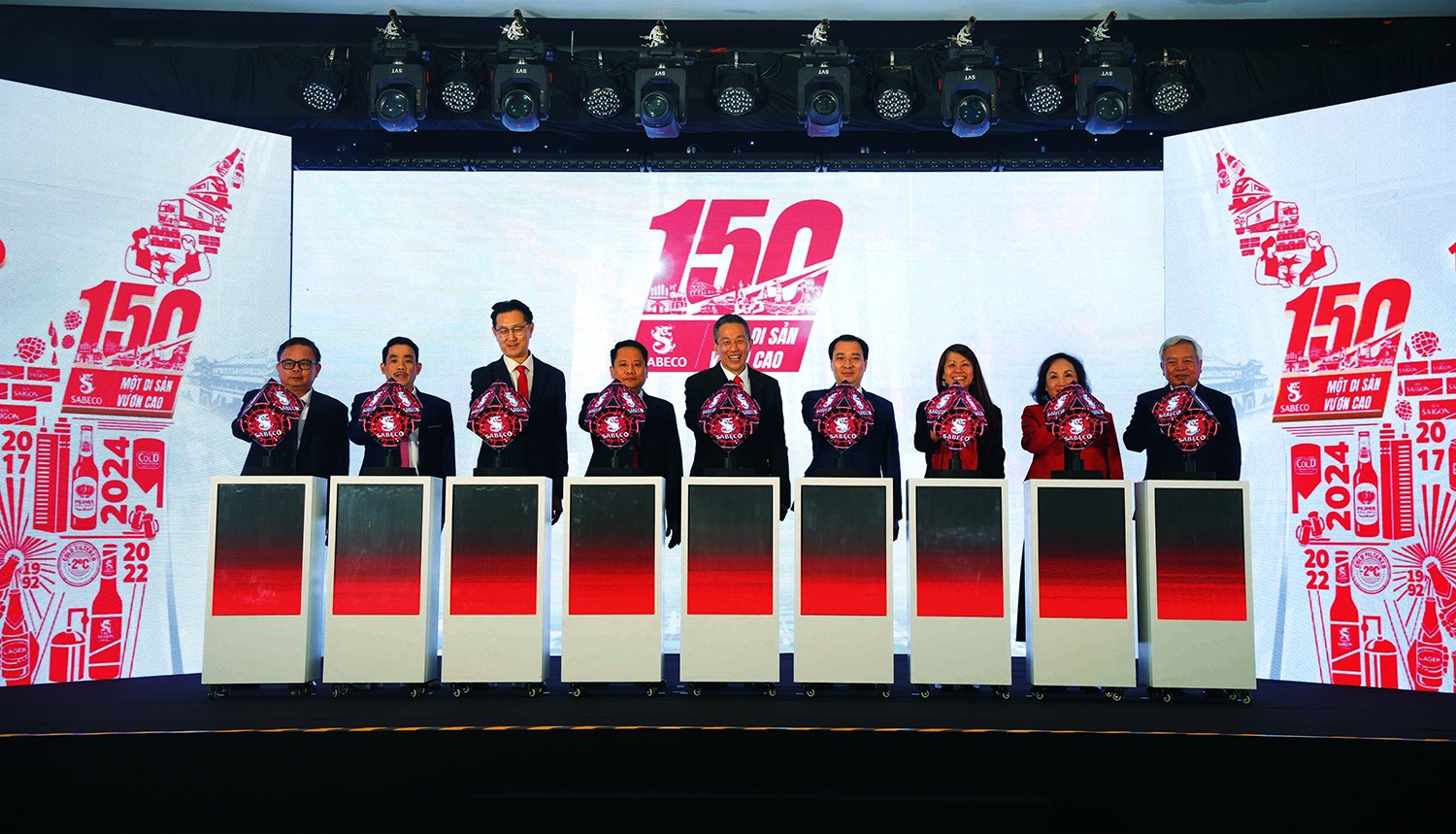
On September 10, the company launched its “150 Years of a Living Legacy Ever Growing, Ever Reaching” campaign in Ho Chi Minh City. The initiative reflects the company’s determination to tie corporate development to national progress.

SABECO celebrates 150 years with new meaningful strategy

At the heart of the campaign is Legacy On The Move, a mobile exhibition housed in a specially designed bus. Over two months, it will travel through provinces and cities, beginning at the historic Bia Saigon brewery in Ho Chi Minh City and ending in Hanoi. Along the way, it will stop in Can Tho, Vinh Long, Vung Tau, Dak Lak, Khanh Hoa, Binh Dinh, and Nghe An, connecting SABECO’s story with communities across the country. The journey symbolises both geographical and generational connection, taking heritage directly to the people who have made SABECO a household name.

The campaign also introduces Legacy Nights, large-scale community events staged in Ho Chi Minh City, Vinh Long, Khanh Hoa, Dak Lak, and Hanoi. Combining cultural performance, interactive installations, and brand experiences, these events are designed to extend the anniversary beyond ceremonial speeches into spaces where people can celebrate, learn, and engage.

Just two days after the campaign launch, SABECO staged the first Legacy Night in Ho Chi Minh City. Thousands of participants attended the event, which transformed the venue into a vibrant showcase of history, innovation, and community.

SABECO celebrates 150 years with new meaningful strategy

The design of the event was ambitious: five immersive zones with each telling a chapter of SABECO’s story. The 150 Steps From Heritage zone retraced the company’s milestones; the Legacy of Progress zone highlighted its three flagship brands, reintroduced through interactive installations; the Legacy of Stewardship emphasised sustainability with displays of green initiatives; the Legacy of Brewing Excellence honoured brewmasters and international awards; while the Legacy with Communities zone offered games, local cuisine, and live performances by popular artists.

CEO Lester Tan stressed that the events aspire to create meaningful spaces for communities to connect and celebrate, while reinforcing commitment to unity and a thriving future.

“From tradition to transformation, SABECO’s legacy has been built with pioneering spirit, bold innovation, and a deep commitment to giving back to society. The campaign is our tribute to these values, where we express our pride in heritage, while reaffirming our unwavering commitment to Vietnam’s future,” he said.

That vision is underlined by the creation of the Ambassador of National Progress Award, developed with Dai Doan Ket newspaper under the guidance of the Vietnam Fatherland Front. The award will honour 150 unsung heroes across the nation: ordinary citizens whose resilience, unity, and service embody the values SABECO wishes to celebrate.

Vu Van Tien, member of the Presidium of the Vietnam Fatherland Front, said, “This initiative nurtures solidarity and encourages younger generations to carry forward the mission of building a progressive, civilised society enriched with cultural identity. With active participation from businesses and society, it will cultivate compassion, responsibility, and unity.”

By linking its anniversary with civic recognition, SABECO positions itself as a partner in nation-building, intertwining its corporate narrative with Vietnam’s broader aspirations.

The balance of celebration and strategy is deemed crucial for the company. Vietnam’s beer industry remains one of Asia’s fastest-growing, buoyed by demographics and rising incomes. Yet competition has intensified as global brewers target the domestic market. SABECO, with 25 breweries and 11 subsidiaries nationwide, enjoys scale and reach, but heritage alone cannot secure its future.

SABECO celebrates 150 years with new meaningful strategy
SABECO is connecting people young and old through meaningful community activities

The 150-year campaign therefore doubles as a repositioning exercise, asserting SABECO’s identity as both authentically Vietnamese and globally credible.

That duality is reinforced by its sustainability agenda. SABECO has expanded environmental, social, and governance programmes. These include cutting energy and water use, promoting recycling, encouraging active lifestyles, and empowering communities. International recognition has been received through awards at the World Beer Awards and International Beer Cup in 2024, and a place in Fortune’s ranking of the Top 500 companies in Southeast Asia.

In this sense, leaders said the 150-year milestone is both backward-looking and forward-facing. It celebrates brewing heritage while signalling transformation into a modern, purpose-driven enterprise. Heritage provides the emotional foundation, while innovation and sustainability provide the competitive edge.

When a small ice workshop opened in Saigon in 1875, few could have imagined it would evolve into Vietnam’s largest brewer and a national icon. Over the next century and a half, what became SABECO grew alongside the country’s modern history. Its flagship brands Bia

Saigon, 333, and Lac Viet are deemed social symbols, present at weddings, Lunar New Year reunions, football celebrations, and countless gatherings across the nation.

As the campaign travels northward, culminating in Hanoi, it mirrors SABECO’s journey: from colonial-era origins to a modern corporation embedded in national identity, from a domestic brewer to a company aiming for regional influence. The symbolism is clear: SABECO wants to be remembered not just for what it brewed, but for what it contributed to Vietnam’s story.

“The spirit of togetherness defines who we are, fuels our progress, and continues to inspire our vision to thrive for tomorrow – not just as a leading beverage company, but as a brand that embodies the pride and spirit of Vietnam,” Tan explained.

SABECO turns sustainability aspirations into concrete action SABECO turns sustainability aspirations into concrete action

SABECO showcased its environmental, social, and governance (ESG) strategy at the Vietnam Corporate Sustainability Forum 2025 (VCSF 2025) in Hanoi, turning a 150-year legacy into concrete actions for sustainable growth amid global uncertainty.

SABECO among pioneers in sustainable development SABECO among pioneers in sustainable development

Pioneering groups such as Saigon Beer-Alcohol-Beverage Corporation, known as SABECO, are proving that sustainability can deliver both resilience and market leadership in Vietnam.

SABECO reaffirms commitment to brewing excellence on 150th anniversary SABECO reaffirms commitment to brewing excellence on 150th anniversary

SABECO celebrated its 150th anniversary on September 10 by launching the “150 Years of a Living Legacy: Ever Growing, Ever Reaching” campaign.

This announcement was made on September 15 in Hanoi as part of the Vietnam Private Sector Economic Forum (VPSF) 2025.

Vietnam to train 10,000 CEOs to boost startup management

At the session, Ha Phan, founder of HR Companion, a startup in the human resources sector, shared her personal journey and the challenges she has faced after two and a half years of entrepreneurship.

Despite having no difficulty attracting clients thanks to her prior experience, Ha Phan revealed that she struggled with enterprise management issues, particularly those related to corporate income tax and VAT.

“For a founder in the early stages, there are just too many burdens on the person leading the company – from finding ways to sustain the business and retaining talent amid competition from larger corporations, to driving growth,” Ha said. “I simply didn’t have time to learn fundamental management skills.”

“I wish that at the very beginning, there was a unit in place to support us with tax, management, and finance-related issues,” she expressed.

Responding to her concern, one shared by thousands of young businesses across Vietnam, Bui Thu Thuy, deputy director general of the Department of Private Enterprise and Collective Economy Development under the Ministry of Finance (MoF), noted that Resolution No. 68-NQ/TW on private sector development clearly stipulates that newly established enterprises will be eligible for free training courses.

Thuy said that the department is working to ensure that every newly registered business receives a free voucher to access essential training on enterprise management.

“The specifics of this initiative will be outlined in Resolution No.138/NQ-CP of 2025, which sets forth the government’s action plan to implement Resolution 68,” she said.

According to Thuy, the 10,000 CEO Training Programme is a top priority under direct government instruction. The Department is currently coordinated with both international and domestic universities to be able to realise the goal of providing learning vouchers to selected CEOs.

In her words, the curriculum will comprise of 60 per cent practical content, with theory playing only a foundational role. Courses will be available in both online and offline formats, and each CEO can choose a learning track based on their individual needs. The government is considering partially subsidising overseas study for participants in the programme.

The department’s executive representative also called on large and prominent businesses to support the socialisation of the programme and to collaborate with the MoF.

“Our approach is to source from the market, meaning we won’t create new courses ourselves, but will instead adopt existing courses from universities,” she explained.

In addition, the MoF is set to work with relevant stakeholders to establish a standardised framework for enterprise management, tailored to Vietnamese businesses. Based on this framework, universities will either develop new courses or enhance existing ones to meet the defined standards.

“The programme is in its final stages of development and is expected to be submitted to the government this year, with full implementation beginning in 2026,” Thuy said.

As a member of the drafting committee for Resolution 68, Thuy also emphasised that the resolution institutionalises many long-standing issues faced by enterprises. Notably, it introduces the principle of ‘non-criminalisation of economic relations’, a new and progressive concept.

She stressed that Resolution 68 is not merely a policy of the Politburo, but one that has drawn the active participation of various ministries, government agencies, and top-level leaders.

“Following the enforcement of Resolution 138 which guides the implementation of Resolution 68 from May 16, starting next year, several tax incentive policies will come into effect, for instance, newly established enterprises will enjoy a three-year tax exemption,” the MoF representative added.

FPT University and Dream Lab harness AI to cultivate startups FPT University and Dream Lab harness AI to cultivate startups

FPT University and Dream Lab on July 31 signed a MoU to launch a groundbreaking initiative aimed at building Vietnam’s most dynamic startup and entrepreneurial ecosystem for students.

Tracxn report highlights Vietnam's fast-rising startup ecosystem Tracxn report highlights Vietnam’s fast-rising startup ecosystem

Vietnam’s startup ecosystem is emerging as a regional force, backed by rising capital inflows and a growing number of unicorns.

Forest Ecopreneur 2025 wraps up with new pathways for green startups Forest Ecopreneur 2025 wraps up with new pathways for green startups

The Forest Ecopreneur Program has concluded its 2025 cycle, strengthening startups in forest conservation and supporting sustainable livelihoods.

In a recent report submitted to the government, the Ministry of Finance (MoF) noted that the national economic landscape – viewed both from a macro and local perspective – showed encouraging signs.

“All major economic centres reported inspiring results in the first eight months of 2025,” the report emphasised.

Specifically, all 34 localities across the country recorded on-year increases in their Index of Industrial Production (IIP).

Economic growth hinges on regional powerhouses to hit 2025 targets
Ho Chi Minh City places focus on accelerating public investment to promote growth

Accordingly, Phu Tho led with a remarkable surge of 26.2 per cent, followed by Ninh Binh at 22.8 per cent, Hue at 18.7 per cent, Nghe An at 16.4 per cent, and Quang Ninh at 15.6 per cent, to name but a few.

Beyond industrial production, each locality made its own mark on socioeconomic development during August and over the eight-month period.

For instance, Hanoi’s tourism sector staged a strong recovery, with 3.18 million visitors in August alone — up 27.5 per cent year-on-year.

Haiphong stood out with a state budget revenue approximating $5.27 billion, showing nearly 30 per cent jump on-year. Meanwhile, its IIP rose by 14.5 per cent, reaffirming its role as a key growth driver in the Red River delta.

Bac Ninh overtook Ho Chi Minh City to become the country’s top exporter in August, with export value reaching nearly $8.7 billion, up 33 per cent on-year.

Other localities also saw solid performance. Dong Nai attracted over $2 billion in foreign direct investment (FDI) and saw the establishment of 4,971 new businesses.

Phu Tho, in addition to leading in IIP growth, also recorded strong FDI inflows with 39 new projects.

Meanwhile, Da Nang remained a major tourism magnet with 12.8 million tourist arrivals over eight months.

An Giang’s industrial production value rose 13.9 per cent, while its tourism sector skyrocketed by 76 per cent; or Lam Dong in the Central Highlands region sustained stable growth, with exports up 64.7 per cent on-year.

The country’s economic locomotive — Ho Chi Minh City — also saw strong momentum.

At a meeting held on September 9 to review the economic and social performance of August and the first eight months, Ho Chi Minh City People’s Committee Chairman Nguyen Van Duoc noted, “The city has effectively executed its dual mandate – ensuring smooth operations under the new two-tier local government model, while simultaneously focusing on economic and social recovery – continuing to play the role as a national growth driver.”

During the eight-month period, Ho Chi Minh City’s IIP rose by nearly 6 per cent on-year. Total retail sales of goods and consumer service revenue grew by 15.6 per cent. The city’s export value touched $61.2 billion, maintaining its top position nationwide and marking a 6.35 per cent increase on-year.

Notably, the MoF highlighted that diverse localities have proactively adjusted their growth scenarios in accordance with Resolution 226/NQ-CP, issued on August 5 by the government.

Many even set targets surpassing those assigned by the central government. For example: Quang Ninh aims for 14 per cent GRDP growth, compared to the assigned 12.5 per cent; Haiphong targets 12.35 per cent growth, higher than the allocated 12.2 per cent; Phu Tho striving for 10.3 per cent growth compared to a 10 per cent government target); or Dong Nai and Danang both aiming for 10 per cent growth, exceeding their respective targets of 8.7 per cent and 9 per cent.

“This demonstrates the strong determination and development potential of localities in contributing to the nation’s overall growth goals,” the MoF Ministry stated in the report.

While the socioeconomic situation remains optimistic, Minister of Finance Nguyen Van Thang offered a candid assessment in the report to the government, “The growth task for 2025 still faces many challenges. Although forecasts suggest Vietnam’s GDP growth could reach a minimum of 8 per cent this year, reaching the 8.3–8.5 per cent target will require significant effort.”

Many growth-promoting measures are being vigorously implemented – with local-level commitment playing a crucial role, particularly from key economic engines and strategic localities.

To achieve its assigned target of 8.5 per cent regional GDP growth in 2025, Ho Chi Minh City has mapped out a scenario projecting 10.22–10.38 per cent growth in Q3, and 10.4 per cent in Q4. The city is also prioritising the acceleration of public investment disbursement, as Chairman Nguyen Van Duoc noted that public investment disbursement in Ho Chi Minh City is still unstable, which could negatively impact the city’s growth rate.

Alongside Ho Chi Minh City, growth momentum is also expected from other dynamic provinces such as Phu Tho, Bac Ninh, and Quang Ninh.

“Phu Tho’s growth target for this year is 10.3 per cent, and the province aims for an average annual growth rate of 11–12 per cent in the 2026–2030 period,” said Tran Duy Dong, Chairman of Phu Tho People’s Committee in a recent talk with VIR.

He added that Phu Tho will focus on key pillars such as attracting investment in high-tech, processing, and manufacturing sectors; accelerating strategic infrastructure projects; developing green and sustainable agriculture; and applying advanced technologies to enhance GRDP growth — thereby contributing to national economic expansion.

“Numerous measures to boost growth are being actively and firmly implemented, with the relentless efforts of localities being a pivotal factor, especially among the country’s economic leaders and high-potential localities,” he noted.

Hung Yen breaks ground on three major projects worth over $720 million Hung Yen breaks ground on three major projects worth over $720 million

In celebration of the 80th anniversary of the August Revolution and National Day, Hung Yen province launched three major development projects on August 19 with a combined investment of approximately $720 million.

Investment in energy - foundation for high and sustainable economic growth Investment in energy – foundation for high and sustainable economic growth

The Vietnam Institute of Economics and World held a forum to discuss energy development and economic growth in Hanoi on August 21.

Vietnam marks date with project bonanza Vietnam marks date with project bonanza

Construction of hundreds of projects, both state and privately funded, is hoped to be a major propellant for national economic growth this year.