UNICEF Vietnam recently brought together business leaders, investors, foundations, and philanthropists in Ho Chi Minh City for its Business Leadership Dialogue focusing on a fundamental recognition that Vietnam’s long-term prosperity will ultimately depend on the children who become tomorrow’s workforce, consumers, entrepreneurs, and leaders.

UNICEF’s representative in Vietnam Silvia Danailov connected economic development directly to the investment into children.

“While AI, infrastructures and investment will shape your businesses, what is really the most important is how we invest in people, how we invest in children growing up. They will become the workforce, innovators, entrepreneurs and leaders who define Vietnam’s next chapter. So it is about investing in Vietnam’s future through its children,” she said.

When purpose becomes part of the business: Investing in Vietnam’s future through children (PR)
Silvia Danailov, UNICEF’s representative in Vietnam, shared remarks on the future of children in Vietnam. Photo: UNICEF Vietnam

The case has become more urgent as Vietnam enters a defining decade of demographic ageing, climate change and rapid digitalisation.

A smaller future workforce will need to be more productive, communities will require greater resilience to climate risks, and technological change will demand new skills.

The ability of children to grow up healthy, educated, protected and digitally capable will influence not only their individual prospects but also the strength of the economy they will manage.

This gives businesses a stake in children’s wellbeing that extends beyond philanthropy. Children are connected to the future availability of skilled employees, the resilience of communities and supply chains, and the long-term health of consumer markets.

The question for corporate leaders is how to turn that stake into action that is beneficial to both society and the business.

Turning purpose into a force for sustainable impact

The case studies shared at the dialogue suggested that credible action begins where a social need intersects with a company’s existing capabilities.

For Kimberly-Clark – a global consumer goods company best known for trusted personal care and hygiene brands, maternal health, newborn care and menstrual health are closely connected to the consumers served by brands such as Huggies and Kotex.

The company contributes knowledge of babies, mothers and women, while UNICEF provides technical expertise, public trust, government relationships and the ability to reach underserved communities at scale.

Nitish Gupta, managing director for Southeast Asia and general manager for Vietnam at Kimberly-Clark, argued that the value of the partnership rests on this combination rather than on funding alone.

“Coming together is about more than funding. It is the combination of shared purpose and complementary strengths that can create long-term impact for society,” he said.

According to Gupta, Kimberly-Clark’s investment of more than $2 million aims to provide direct health benefits to 1.3 million babies, children and mothers, while reaching another 2.5 million people through education and behaviour-change activities.

Sustaining that ambition requires companies to look beyond quarterly targets or a single annual programme and build partnerships that can develop knowledge, measure results and expand over several years.

When purpose becomes part of the business: Investing in Vietnam’s future through children (PR)
Panellists spoke about business as a force for sustainable impact. Photo: UNICEF Vietnam

Biti’s offers a different route to the same destination. Children have been central to the Vietnamese footwear company’s customer base for generations, making the provision of affordable, quality school shoes one way its social purpose is expressed through everyday business.

Le Quyen Vuu, Biti’s CEO, explained that the company subsequently expanded this commitment into mental wellbeing.

Biti’s introduced its Happy Business programme for employees before working with a non-governmental organisation for approximately eight years to support Happy School initiatives at 16 schools in Hue and Hanoi.

“It’s very important to invest in the wellbeing of our children because Vietnam can only have sustainable success when we have new, healthy, happy and flourishing human capital,” she said.

From business leadership to family philanthropy

The move towards business-integrated purpose is also changing philanthropy. Ann Putnam Marks, UNICEF’s regional partnerships lead for Asia-Pacific, described a shift from one-off giving towards longer-term partnerships that combine private capital with expertise, networks and operating capacity.

Special guests Techajareonvikul family’s partnership with UNICEF Thailand demonstrates how family capital, corporate reach and UNICEF expertise can reinforce one another.

Through BJC Big C Foundation, the family has applied UNICEF’s knowledge of early childhood development across a major retail business.

Family-friendly workplace policies, office nurseries, breastfeeding spaces and children’s corners bring the partnership into the daily experience of employees and customers, while the Healthy Checkout Lanes initiative extends it to decisions about what shoppers see and buy.

When purpose becomes part of the business: Investing in Vietnam’s future through children (PR)
The Techajareonvikul Family were special guests at the dialogue. Photo: UNICEF Vietnam

The Techajareonvikul Family’s special guests Thapanee and Aswin Techajareonvikul have extended the BJC Big C Foundation – UNICEF partnership into their family by involving their three children, in visits to UNICEF’s global supply, research and headquarters operations. Those experiences connect the values guiding today’s business leaders with the responsibilities that the next generation may inherit.

“Right now, our employees already have the knowledge of what we have learned and what we have appreciated from UNICEF’s guidance. They also know the importance of keeping family members and the family of the community in mind, and they also feel proud,” said Thapanee.

“I believe that this healthy environment is the heart and the core of being successful in business, and of being a part of society. And so, it’s really the legacy that we would leave to live on for generations to come, and also for our kids to continue, just like what we have learned from our parents: to give back to society.”

Examples shared in Ho Chi Minh City point to the same conclusion: purpose becomes credible when it changes a business decision. What companies sell, how they support employees, where investors place capital and what business families teach the next generation will help determine whether Vietnam’s present growth develops the human capability required to sustain it.

Government launches child protection programme for 2026–2030 Government launches child protection programme for 2026–2030

The government has issued a national programme on child protection and the prevention of child labour for the 2026–2030 period.

Vietnam strives to build safer digital environment to protect children online Vietnam strives to build safer digital environment to protect children online

The Ministry of Justice and UNICEF, with support from the European Union Delegation through the EU Justice and Legal Empowerment Programme, convened a policy dialogue on child protection in the digital environment on August 21.

Kimberly-Clark and UNICEF strengthen child and maternal healthcare Kimberly-Clark and UNICEF strengthen child and maternal healthcare

Kimberly-Clark Vietnam and UNICEF renew partnership with a $2.05 million commitment to expand essential care for mothers, newborns, and girls nationwide.

Why child online safety is now a business imperative Why child online safety is now a business imperative

As Vietnam marks the Month of Action for Children under the theme “Happy, Safe and Confident Children in the Digital World,” Silvia Danailov, UNICEF Representative in Vietnam, shares her views on why child online safety is no longer just a social issue, but a core business responsibility in the digital age.

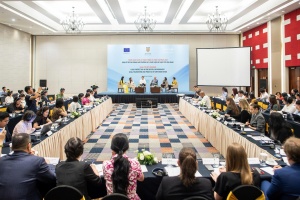
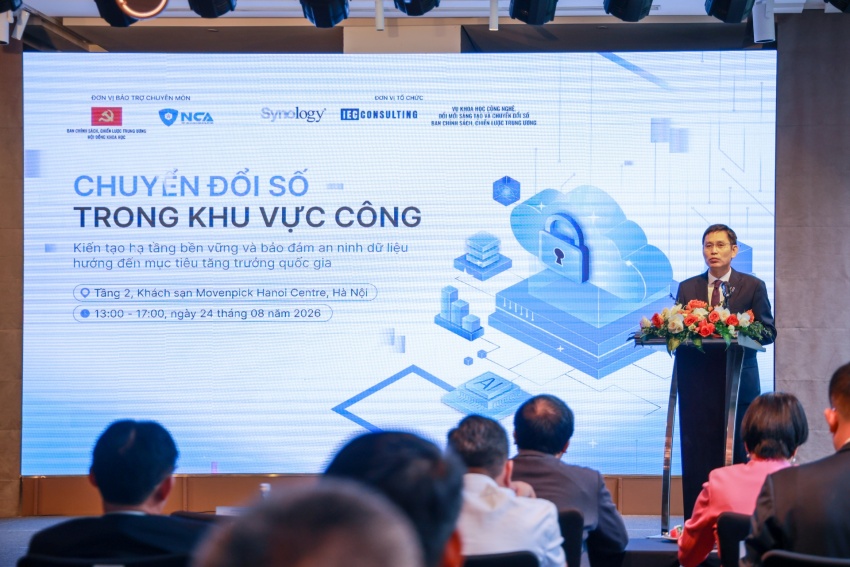
On August 24, the Central Policy and Strategy Commission and the National Cybersecurity Association, as professional co-sponsors, in coordination with Synology Vietnam and IEC Consulting, held a conference in Hanoi titled “Digital Transformation in the Public Sector: Building Sustainable Infrastructure and Ensuring Data Security Towards National Growth Targets.”

The conference took place as the public sector undergoes a “dual” transformation: restructuring the organisational apparatus while simultaneously redesigning operating models on digital platforms. The two-tier local government model is placing greater demands on data-driven governance, particularly at the commune level, where most public services are delivered directly to citizens.

Nguyen Hong Hien, director of the Department of Science and Technology under the Central Policy and Strategy Commission, said science and technology, innovation, and digital transformation have been identified as key drivers of the new growth model. The public sector therefore cannot remain outside this process.

“In particular, the operation of the two-tier local government model since July 2025 has created significant requirements for restructuring data and digital systems. As the organisational structure and administrative boundaries change, data must also be standardised, cleansed, updated, and connected under the new model, while ensuring continuity, consistency, and uninterrupted public services,” said Hien.

“The target by 2030 is to fully digitise records and results of administrative procedures, uniformly use shared digital platforms, and standardise and connect databases so they are ready for AI applications. However, in practice, data remains fragmented, quality is uneven, and interoperability between systems remains limited.”

Data and resilience drive Vietnam’s digital government
Nguyen Hong Hien, director of the Department of Science and Technology under the Central Policy and Strategy Commission. Photo: IEC Consulting

Jola Le, country manager of Synology, said data protection should be viewed as an ecosystem encompassing data storage, management, backup, recovery, access control, and security monitoring.

One of the solutions introduced at the conference was air-gapping, which enables backup systems to be isolated from the network when they are not required or when abnormal activity is detected, providing an additional layer of protection against the risk of data being encrypted or destroyed.

“Public-sector digital transformation therefore faces a dual requirement: systems must be sufficiently open to connect, share, and utilise data, while also being sufficiently secure to control, protect, and recover data when incidents occur,” said Le.

“In the process of building digital government and data-driven governance, security cannot be an additional layer added at the end. It must be embedded from the design stage of infrastructure, system architecture, and data organisation. This is also a critical condition for sustainable public-sector digital transformation, ensuring the continuity of government operations and essential services for citizens and businesses.”

Data and resilience drive Vietnam’s digital government
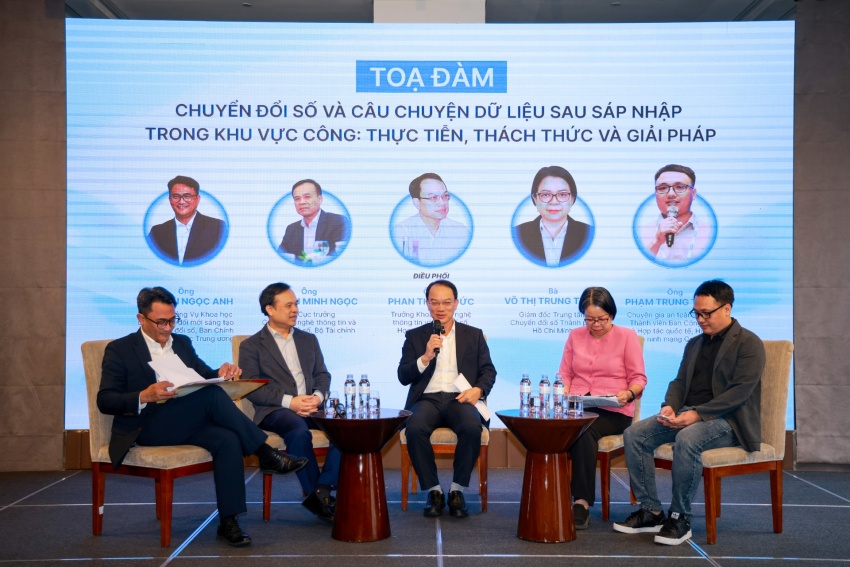
Photo: IEC Consulting

Notably, Pham Trung Thanh, an expert at the National Cybersecurity Association, warned that the transition from physical infrastructure to cloud environments is forcing many agencies to operate legacy and new systems simultaneously, creating complex architectures while dedicated information security personnel remain limited.

“The risk does not only arise when a system is attacked,” said Thanh. “Hackers can remain hidden inside a system for months, seeking to escalate their privileges before launching an attack. By then, data may have been stolen or encrypted, while systems providing services to citizens could face disruption.This also shows that simply backing up data is no longer sufficient. If backup systems remain connected to the network, attackers may attempt to destroy or encrypt the backup data as well.”

Vu Duy Hien, deputy secretary general cum chief of office under the National Cybersecurity Association, said that as data becomes a strategic asset and resource, the requirement is not only to manage and utilise it, but more importantly, to ensure its protection.

“Cybersecurity must be built in from the outset when infrastructure is developed, data is organised, and digital systems are designed,” said Hien. “Alongside prevention capabilities, agencies and organisations need to proactively build detection, response, and recovery capabilities so that essential operations can continue and quickly return to normal when incidents occur. This is a critical aspect of today’s approach to data security. Protecting data is not only about preventing an attack; it must also account for scenarios in which a system has already been compromised, data has been encrypted, or services have been disrupted.”

Vietnam to assign unique digital ID codes to land plots Vietnam to assign unique digital ID codes to land plots

Land plots are set to be assigned a unique identification code independent of administrative boundaries, paving the way for a shift from land-certificate-based management to data-driven management and integration with VNeID, allowing people to access land information publicly and transparently.

Smarter infrastructure design key to Vietnam’s AI ambitions Smarter infrastructure design key to Vietnam’s AI ambitions

As AI adoption accelerates, enterprises are facing growing pressure to ensure that their underlying infrastructure can support increasingly demanding workloads while keeping data secure and operations resilient.

Under its 2026-2030 capital restructuring plan, State Capital Investment Corporation (SCIC) is expected to fully divest its holdings in firms across a wide range of sectors, from industrial manufacturing, steel, textiles and energy to construction, logistics, trade and seafood.

Among the notable names are Tien Phong Plastic JSC, Domesco Medical Import Export Corporation, Vietnam Steel Corporation (VNSTEEL), and Vietnam National Seaproducts Corporation (Seaprodex), to name but a few.

The legal framework for SCIC’s capital restructuring plan is provided by prime ministerial Decision No.40/2026/QD-TTg, issued on August 5, and government’s Decree No.57/2026/ND-CP, issued on February 12, establishing a clearer legal framework for the restructuring of state capital during 2026-2030.

SCIC divestment drive opens investment opportunities across key sectors
Photo: Dung Minh

Under the new regulations, state-owned enterprises are divided into three main groups. The first comprises enterprises in which the state retains 100 per cent ownership, including those in railways, air traffic management, postal services, banknote printing, lotteries and Vietnam Bank for Agriculture and Rural Development.

The second consists of businesses in which the state holds at least 65 per cent of the capital, covering airports, seaports and large-scale mineral extraction units.

The remaining group comprises enterprises in which the state holds from 50 per cent to less than 65 per cent, including key petroleum importers with a market share of at least 30 per cent, such as Petrolimex, and telecommunications infrastructure service providers.

According to experts, once ownership limits for each sector are clearly defined, investors will have a better basis for identifying enterprises where state capital could be increased and those where there is room for the state to reduce its ownership.

Of the 66 enterprises on the list for full divestment over the next five years, many own valuable land banks, having established brands, strong market positions or high state ownership ratios.

A notable example is VNSTEEL, where SCIC is currently the controlling shareholder with a 93.93 per cent stake, equivalent to more than 636.8 million shares. With a market share of around 11.6 per cent in the construction steel segment, it is expected to benefit directly from strong growth in public investment in the coming years.

In terms of business performance, VNSTEEL posted impressive results in the first six months of the year, with revenue reaching $989.9 million and pre-tax profit nearly $28.7 million, up 13.2 per cent and 72.4 per cent, respectively, from the same period in 2025.

Notably, this growth follows a recovery that began in 2025, when the company recorded pre-tax profit of $26.4 million, up 69.6 per cent on-year.

Another company of interest in SCIC’s portfolio is Seaprodex. As of the end of 2025, SCIC held approximately 63.38 per cent of the company. Seaprodex’s appeal to the market extends beyond its seafood export business to its valuable land bank.

At Tien Phong Plastic, SCIC is currently the largest shareholder, holding a 37.1 per cent stake, and the company is on the list of enterprises slated for full divestment. It is one of the major players in the plastic pipe industry, with approximately 60 per cent of the northern market and 30 per cent of the nationwide market.

According to its business performance reports for 2022-2025, Tien Phong Plastic’s pre-tax profit has grown by more than 10 per cent annually. In the first six months of 2026, the company posted pre-tax profit approximating $35.2 million, up 38.4 per cent on-year.

Domesco Medical Import Export Joint Stock Corporation – a company operating four factories meeting GMP-WHO standards, including three pharmaceutical chemical plants and one plant producing herbal medicines and health supplements – will also be divested by SCIC.

SCIC had previously launched its divestment plan three times through auctions of more than 12.1 million shares, equivalent to 34.71 per cent of Domesco’s charter capital, but the process has yet to be completed. At the most recent offering in 2025, the total starting price for the share lot was set at more than $61.2 million.

SCIC will continue to invest in and retain stakes in 21 entities operating in its strategic areas of strength, including manufacturing, infrastructure, technology and healthcare.

Notable names in this portfolio include Vietnam Dairy Products JSC, Saigon Beer – Alcohol – Beverage Corporation, FPT Corporation, Hau Giang Pharmaceutical JSC, Traphaco JSC, Bao Minh Insurance Corporation, Vietnam National Reinsurance Corporation and Song Da Corporation.

According to a report by BIDV Securities Company (BSC), the equitisation and divestment of state-owned enterprises, along with IPO activities in the stock market, are showing signs of picking up again after a prolonged subdued period.

Alongside the requirement to restructure the state-owned enterprise sector, the need to mobilise resources for economic development and policy changes, BSC expects the market could be entering a new wave of IPOs, equitisation and divestment through share auctions.

SCIC to hold 31.08 per cent of charter capital of Vietnam Airlines SCIC to hold 31.08 per cent of charter capital of Vietnam Airlines

State Capital Investment Corporation bought Vietnam Airlines (HSX: HVN) shares to hold at least 31.08 per cent of the charter capital to help the company overcome its difficulties amid the COVID-19 pandemic.

SCIC plans to sell stakes in over 30 enterprises SCIC plans to sell stakes in over 30 enterprises

State Capital Investment Corporation (SCIC) will offload capital in 31 enterprises, including FPT Corporation, Tien Phong Plastic, and other companies on the stock exchange.

SACE and SCIC sign MoU to strengthen cooperation between Italy and Vietnam SACE and SCIC sign MoU to strengthen cooperation between Italy and Vietnam

Italian insurance and finance group SACE announced on October 24 that it had signed an MoU with the State Capital Investment Corporation (SCIC).

State sector sees broad-based profit surge as major groups deliver strong results State sector sees broad-based profit surge as major groups deliver strong results

A broad-based upswing among state-owned groups and corporations was recorded in 2025, with many key entities recording double-digit growth in both revenue and profit.

Vietnam urged to strengthen compliance and competitiveness to expand US market access
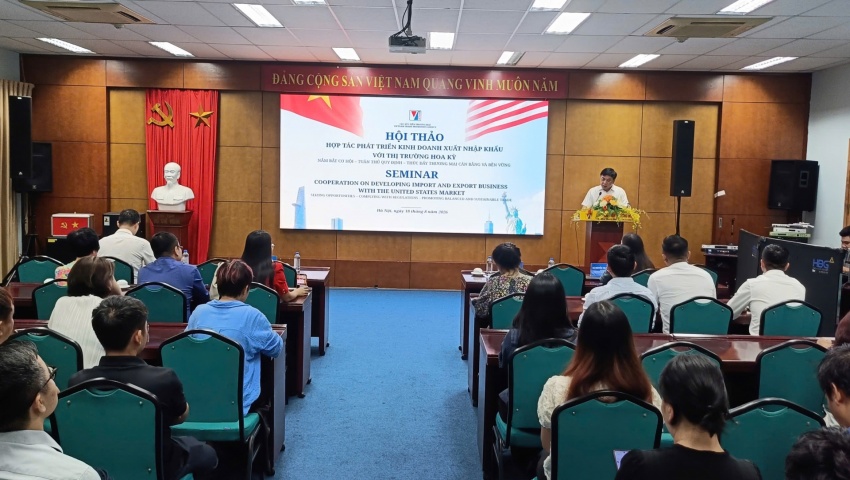
Le Hoang Tai, deputy director general of Vietrade. Photo: Trong Nghia

Speaking at the opening, Le Hoang Tai, deputy director general of Vietrade, said the United States is one of Vietnam’s most important export markets, with a large consumer base, strong purchasing power, diverse distribution networks and broad demand.

The market is highly competitive and imposes strict requirements on product quality, traceability, labelling, environmental standards, labour practices and intellectual property protection.

Vietnamese companies need to increase the value added of their products, diversify their offerings and expand imports of machinery, technology, materials, products and services from the US, Tai said. “Compliance must be considered a core element of competitiveness,” he said.

Do Ngoc Hung, trade counsellor and head of the Vietnam Trade Office in the US, said two-way trade reached approximately $132.4 billion in the first six months of 2026, making Vietnam the US’ fifth-largest trading partner and its largest source of trade surplus.

However, trade remains heavily concentrated in the foreign-invested enterprises (FIEs). During the first seven months of 2026, FIEs accounted for more than 80 per cent of Vietnam’s total exports and recorded a trade surplus of nearly $8 billion.

Domestic businesses accounted for about 19.9 per cent of exports and posted a trade deficit of approximately $28.5 billion.

The figures highlight the need to strengthen the competitiveness of domestic companies, increase localisation and value added, and improve their ability to participate in supply chains, Hung said. These measures are also important in addressing risks related to transhipment and origin fraud.

The US has more than 330 million consumers, with personal consumption expenditure estimated at $12.1 trillion, equivalent to roughly 68 per cent of GDP. The country is expected to import about $3.4 trillion worth of goods in 2026.

Significant differences among US states mean Vietnamese companies need to identify specific consumer segments and market niches before entering the market, Hung said.

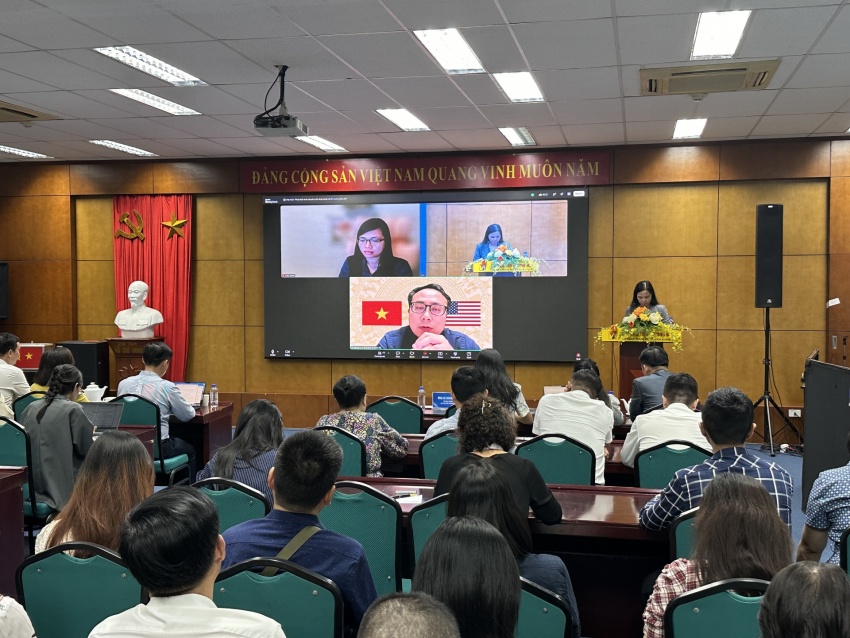
Vietnam urged to strengthen compliance and competitiveness to expand US market access
Photo: Nguyen Huong

According to Hung, opportunities in the US market can translate into sustainable advantages only when businesses can manage regulatory and operational risks.

Vietnamese companies need to closely monitor US trade regulations, including Most-Favoured-Nation treatment, measures under Section 301 of the US Trade Act of 1974, Section 232 and the Uyghur Forced Labour Prevention Act.

From July 24, the additional 10 per cent tariff under Section 301 related to forced-labour concerns was removed and replaced by a 12.5 per cent tariff on Vietnamese goods, except for products covered by exemption lists, he said.

For imported inputs, businesses need to maintain documentation and data demonstrating substantive manufacturing processes in Vietnam and comply with product-specific rules of origin.

The Vietnam Trade Office in the US recommended that companies professionalise their English-language documentation, clearly specifying HS codes, certificates, sources of materials, factories, production capacity, minimum order quantities, delivery times and quality-control procedures.

Dinh Dieu Linh, a representative of STSB CPA tax advisory firm, highlighted several challenges facing Vietnamese exporters, including 60-120-day collection cycles, banking and SWIFT costs, USD/VND exchange rate fluctuations, limited US credit histories, state-level sales taxes and differences between Vietnam’s Accounting Standards (VAS) and US Generally Accepted Accounting Principles

Incorrect or incomplete filing of Form W-8BEN-E could result in US partners withholding 30 per cent of gross payments for remittance to the US Internal Revenue Service, she said.

Companies also face a starting penalty of $25,000 for each late or incomplete Form 5472 filing, with an additional $25,000 imposed every 90 days if the issue is not resolved.

“US tax and accounting should not be treated as year-end administrative procedures. They are part of a company’s risk-management strategy,” Linh said.

She recommended measures including export factoring and purchase-order financing, which can provide advances equivalent to 80-90 per cent of invoice value, as well as foreign-exchange hedging, payment optimisation and appropriate legal-entity and transfer-pricing structures.

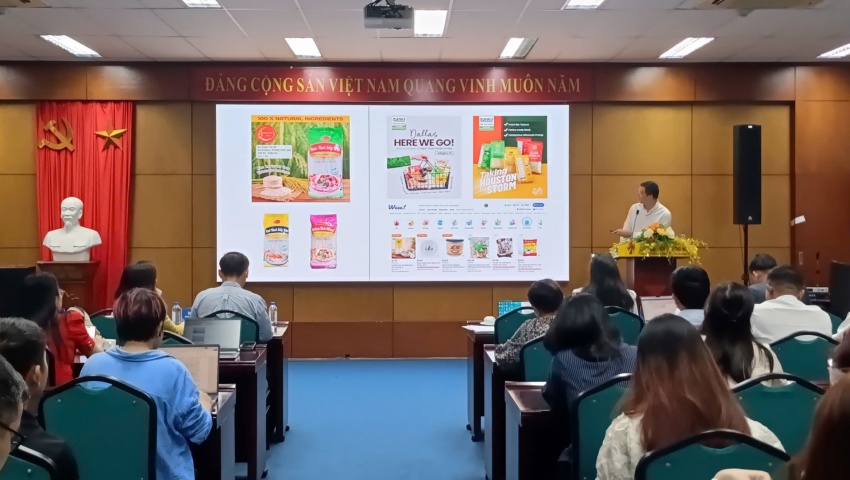
Vietnam urged to strengthen compliance and competitiveness to expand US market access
Tran Lich, director of VISIA. Photo: Trong Nghia

Tran Lich, director of VISIA and general coordinator of Ready2US – Ready for the US Market, said approximately 85 per cent of surveyed businesses are not yet fully prepared to enter the US market.

The five key challenges identified by the survey were understanding the US market and consumers, cited by 77.3 per cent of respondents; a lack of marketing strategies and sales channels, 76 per cent; legal and compliance requirements, 58.7 per cent; working capital and cash-flow management, 56 per cent; and developing appropriate branding, design and research and development (R&D), 53.3 per cent.

“A good product alone is not enough to enter the US market,” Lich said.

Businesses need a comprehensive roadmap covering market research, legal compliance, go-to-market strategy, R&D, financing, logistics and sales channels.

Early preparation for requirements from agencies such as the US Food and Drug Administration, Consumer Product Safety Commission and US Department of Agriculture, along with intellectual property protection, can shorten negotiations by three to 12 months and help protect cash flow, he said.

VISIA and Ready2US have developed a 2026 US Market Readiness Checklist to help businesses assess their preparedness before making investments.

Experts at the seminar agreed that Vietnamese companies need to move beyond the mindset of simply having products available for export and focus on building sustainable competitive capabilities.

Long-term success in the US market requires companies to conduct proactive market research, manage finances, demonstrate product origin, control supply chains and comply with US regulations.

The seminar’s policy discussions and business-to-business connections highlighted the importance of greater preparedness, transparency and professionalism as Vietnamese companies seek to expand exports and strengthen their position in the US market.

US retail giant Target eyes Vietnamese suppliers US retail giant Target eyes Vietnamese suppliers

Target, one of the US’ largest retail groups, will make its first appearance at Vietnam International Sourcing 2026, as it looks to expand its network of Vietnamese suppliers across a range of consumer product categories.

US businesses remain committed to Vietnam with measured outlook US businesses remain committed to Vietnam with measured outlook

While business confidence has become more measured compared with the optimistic outlook at the beginning of the year, US companies remain committed to Vietnam.

US introduces new 10 and 12.5 per cent tariffs, replacing temporary 10 per cent levy US introduces new 10 and 12.5 per cent tariffs, replacing temporary 10 per cent levy

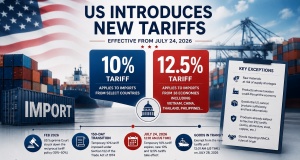
The United States has introduced new import tariffs of 10 and 12.5 per cent, replacing the temporary 10 per cent tariff that expired at the same time.

The Department of Taxation held a working session with a delegation of International Monetary Fund (IMF) experts on August 17 to exchange experience, assess the current state of tax administration and explore ways to reform the tax administration model for large enterprises, with a focus on strengthening compliance risk management and aligning with international practices.

Tax administration for large enterprises requires a different approach
Le Long, deputy director general of the Department of Taxation. Photo: Phuong Thao

Speaking at the meeting, deputy director general of the Department of Taxation Le Long said the IMF’s recommendations on assessing tax administration performance, managing compliance risks and modernising taxpayer administration were valuable both technically and practically for Vietnam’s tax authorities.

The Department of Taxation is studying and incorporating a number of these recommendations into ongoing efforts to improve the legal framework, restructure its organisational system, reform business processes and modernise tax administration methods, he said.

Vietnam’s tax sector is entering a period of far-reaching reform, with significant changes to the legal and administrative framework. The Law on Tax Administration, No.108/2025/QH15, and its implementing regulations took effect on July 1, 2026, providing a new legal framework for tax administration.

“Alongside the transition to a new organisational structure, the tax sector is accelerating digital transformation, making greater use of electronic invoice data and interconnected databases, strengthening risk analysis and compliance management, and expanding digital tax services,” he said.

“These changes create opportunities to improve the efficiency of tax administration while placing greater demands on governance capacity, data quality, business processes, technology and the skills of tax officials,” he added.

Regarding tax administration for large enterprises, Long said its Large Enterprise Tax Branch currently directly manages 393 enterprises, including major corporations, state-owned groups, large foreign-invested companies and businesses operating in specialised sectors. Tax revenue from this group accounts for approximately 25 per cent of total domestic tax revenue.

Large taxpayers typically have significant scale and broad operations, complex ownership and organisational structures, and extensive related-party and cross-border transactions. They also engage in specialised financial activities and new forms of business arising from the digital economy.

“Compliance risks for these enterprises extend beyond registration, tax filing and payment. They increasingly involve the determination of tax liabilities, related-party transactions and transfer pricing, the allocation of costs and capital, the valuation and use of intangible assets, income from specialised business activities, the application of tax treaties and the treatment of emerging business models,” Long said.

As a result, tax administration for large enterprises cannot rely solely on individual inspections or risk mitigation after problems have emerged. Tax authorities need to identify risks at an earlier stage, allocate resources strategically, tailor management measures to taxpayers’ levels of compliance and provide stronger support to help businesses meet their tax obligations, he added.

The Department of Taxation outlined five key expectations for the cooperation programme. These include an independent and objective assessment of the functions, responsibilities, organisational structure, staffing and core business processes of the Large Enterprise Tax Branch; an assessment of its current maturity in applying compliance risk management and the gaps compared with international practices; recommendations on tools that can be implemented immediately; a feasible future operating model with performance indicators; and an action plan for reform that can serve as the basis for translating the recommendations into specific tasks.

Tax administration for large enterprises requires a different approach
Patrick De Mets, an IMF expert. Photo: Phuong Thao

Speaking at the session, Patrick De Mets, an IMF expert, welcomed the Department of Taxation’s proactive approach to reforming tax administration, particularly its shift from traditional administration towards a model based on taxpayers’ risks and levels of compliance.

As business activities become increasingly complex, developing a specialised administration model for large enterprises is essential, Mets said. Such a model would enable tax authorities to focus resources on high-risk sectors, businesses and transactions while improving support for taxpayers with strong compliance records.

“Managing large enterprises requires a different approach. Tax authorities need to understand taxpayers’ business activities, identify risks at an early stage and develop appropriate strategies to improve compliance across different taxpayer groups. International practices should be adapted to Vietnam’s circumstances, with feasibility and administrative effectiveness as key priorities,” Mets said.

The working programme between the Department of Taxation and the IMF delegation provided a stronger practical basis for further reforming the administration of large enterprises, improving compliance risk management, making more effective use of resources and gradually aligning Vietnam’s tax administration with international best practices.

The cooperation is also expected to support the tax sector’s broader efforts to modernise its administration system in line with the requirements of the new reform phase.

Finance ministers cement fiscal cooperation Finance ministers cement fiscal cooperation

Vietnam and the Czech Republic are deepening fiscal ties and strategic cooperation for sustainable development.

Overhaul of tax sector boosts operational effectiveness Overhaul of tax sector boosts operational effectiveness

The tax sector has embarked on a major restructuring and efficiency drive to strengthen service delivery for citizens and businesses.

Tax sector pushes digital transformation in administration overhaul Tax sector pushes digital transformation in administration overhaul

The tax sector is restructuring administrative processes to build a modern, transparent system, leveraging digital technology and data to improve compliance, efficiency, and risk management.

VinSpace partners with SpaceX
VinSpace’s satellites will launch aboard a Transporter rideshare mission in 2027 as part of SpaceX’s rideshare programme. Photo: VinSpace

Under the agreement, VinSpace’s satellites will launch aboard a Transporter rideshare mission in 2027 as part of SpaceX’s rideshare programme, which enables multiple customers to share a single launch.

VinSpace is responsible for the research, development, manufacturing and on-orbit operation of its satellites. The satellites will support the on-orbit demonstration of in-house developed technologies, strengthen VinSpace’s satellite engineering capabilities, and pave the way for future commercial space applications.

The agreement provides an important foundation for VinSpace’s first satellite missions. In April 2026, the company announced its plan to develop and launch its first satellites into orbit in 2027.

The agreement represents another important step in VinSpace’s long-term vision to become a full-stack aerospace company, developing capabilities across the entire space value chain – from satellite design and manufacturing to Assembly, Integration and Testing, launch mission management, satellite operations, and downstream space data products and services.

Selecting SpaceX as its launch service provider reflects VinSpace’s strategy of working with the world’s leading technology companies to realise its first space missions.

Thu Vu, CEO of VinSpace said, “Reliable access to space is fundamental to turning satellite innovation into operational missions. This contract with SpaceX is an important milestone in VinSpace’s long-term strategy to help build Vietnam’s space ecosystem and strengthen the country’s position within the global space economy.”

VinSpace’s upcoming satellite missions are expected to provide an important platform for in-orbit technology validation, accelerate the development of Vietnam’s aerospace talent, deepen international collaboration, and support the commercialisation of space technologies.

As satellites, low Earth orbit constellations and other space technologies become increasingly important to economic growth, infrastructure resilience and national technological competitiveness, VinSpace is committed to strengthening Vietnam’s sovereign space capabilities while delivering commercially solutions for customers across Vietnam, Southeast Asia and international markets.

VinSpace plans first nano-satellite launch in 2027 VinSpace plans first nano-satellite launch in 2027

VinSpace, part of Vietnamese conglomerate Vingroup, plans to launch its first nano-satellites into orbit in 2027.

SpaceX to launch 100 per cent foreign-invested business in Vietnam SpaceX to launch 100 per cent foreign-invested business in Vietnam

SpaceX is completing procedures to establish a 100 per cent foreign-invested business in Vietnam.

SpaceX appoints Vietnamese CEO to lead Starlink Vietnam operations SpaceX appoints Vietnamese CEO to lead Starlink Vietnam operations

SpaceX’s Starlink has appointed Do Ba Thich as CEO of its Vietnam entity, placing a young Vietnamese executive at the helm of its local operations for the first time.

Vietnam's seafood exports grow in first seven months
Photo: baodautu.vn

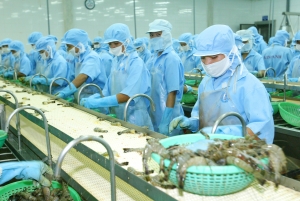
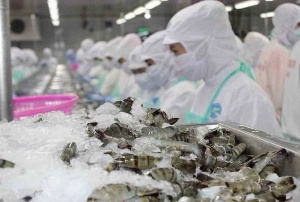
According to Vietnam Association of Seafood Exporters and Producers (VASEP), Vietnam’s seafood exports totalled nearly $6.86 billion in the first seven months of 2026, an increase of 11.5 per cent on-year. In July, seafood exports reached $1.1 billion, up 4.8 per cent compared to the same period in 2025.

China and Hong Kong remained Vietnam’s largest seafood market in July, importing more than $267 million, up 24.7 per cent on-year. During the first seven months, exports reached nearly $1.74 billion, an increase of 34.5 per cent.

Exports to the United States exceeded $159 million in July, up 6.3 per cent, while cumulative exports reached more than $1.05 billion, increasing just 0.3 per cent.

Exports to Japan totalled more than $144 million in July, rising 3.8 per cent, while cumulative exports increased 2.6 per cent. Exports to CPTPP markets reached more than $1.783 billion during the first seven months, up 8.1 per cent, making the bloc one of Vietnam’s most stable export destinations.

In contrast, exports to the EU declined 10.9 per cent in July and 2.7 per cent over the first seven months. South Korea fell 10.8 per cent in July, ASEAN declined 6 per cent, and the Middle East dropped 16 per cent.

VASEP noted that the scenario of seafood exports exceeding $12 billion in 2026 remains achievable following the $6.86 billion recorded during the first seven months. However, export growth in the remaining months of the year is expected to slow considerably from the current 11.5 per cent pace. The most immediate challenge comes from the US Section 301 tariff. The 12.5 per cent tariff imposed on Vietnam creates three concrete consequences.

First, new contracts with US buyers are likely to be renegotiated. Importers may request lower free on board prices, tariff-sharing arrangements, or shorter-term agreements.

Second, Vietnam is placed at a competitive disadvantage compared with Ecuador, India, and Indonesia, which face a 10 per cent tariff. This difference is particularly important for whiteleg shrimp, canned tuna, and standard frozen seafood products.

Third, the new tariff is applied on top of MFN duties, anti-dumping duties, and countervailing duties where applicable. Consequently, purchasing decisions will increasingly be made based on individual exporters and specific product lines rather than simple country-to-country comparisons.

“On the positive side, Vietnam has introduced regulations prohibiting the import of goods produced with forced labour, effective from early September 2026. This provides a basis for continued dialogue with the US. However, in the short term, there has been no official indication that the 12.5 per cent Section 301 tariff will be revised in the near future,” VASEP added.

Vietnam's seafood exports approach $5.8 billion in first half of 2026 Vietnam’s seafood exports approach $5.8 billion in first half of 2026

Vietnam’s seafood exports reached nearly $5.8 billion in the first half of 2026, up 12.8 per cent on-year, driven by stronger demand, market diversification, and improved product restructuring.

China imports $1.4 billion of Vietnamese seafood in first half of 2026 China imports $1.4 billion of Vietnamese seafood in first half of 2026

Stronger demand from China – Vietnam’s largest shrimp export destination – is creating fresh momentum for the industry’s growth amid continuing uncertainty in the US market.

Seafood Expo Asia draws exhibitors from four continents Seafood Expo Asia draws exhibitors from four continents

Seafood Expo Asia drew first-time exhibitors from four continents, with new national pavilions spanning wild-capture fisheries to smart aquaculture technology reflecting Asia’s growing seafood demand.

The draft decree aims to strengthen decentralisation, reduce procedures, and unlock resources for the enterprise, while ensuring transparency and strict supervision in line with market economy principles and state management.

Specific financial mechanism proposed for Vietnam Railways
Photo: VNR

The draft proposes special mechanisms for the railway industrial complex project; management, maintenance, repair, renovation, and upgrading of national railway infrastructure assets; construction of commercial and office buildings at railway stations; and investment credit incentives.

The investment preparation process for the railway industrial complex project is subject to several specific policies as follows: Vietnam Rail (VNR) is allowed to consult domestic and foreign contractors and organisations regarding technology, reference prices, and potential risks during the project preparation process; this consultation must be transparent and must not provide an unfair advantage to any supplier.

VNR is allowed to decide on the use of foreign contractors for consulting and pre-implementation activities for the project.

Regarding the performance of tasks and orders for railway industrial services and railway industrial goods of the railway industrial complex, VNR is assigned and orders enterprises in which VNR has 100 per cent invested capital to perform all or part of railway industrial services and railway industrial goods in accordance with the law.

The draft clearly states that VNR is assigned the task of commissioning its dependent and independent accounting units, and commissioning its subsidiaries to carry out repairs, renovations, upgrades, and functional enhancements to national railway infrastructure assets using the company’s own capital.

In cases where the state entrusts VNR with the management, maintenance, operation of national railway infrastructure, VNR shall implement initiatives to construct commercial service and office buildings within railway stations and on land designated for railways associated with stations through the selection of investors as stipulated in the 2025 Investment Law.

The MoF also proposes adding investment projects for the production, assembly, and procurement of various types of railway locomotives and carriages; specialised vehicles operating on railways; machinery and equipment for railway infrastructure maintenance; and mechanical components, systems, and parts for the production and assembly of locomotives, carriages, and railway transport vehicles to Section III – the list of investment credit loan projects issued with the government’s Decree No.78/2023/ND-CP from 2023, amending and supplementing a number of articles of Decree No.32/2017/ND-CP from 2017, on state investment credit.

At present, the draft is currently open for public comment on the MoF’s online portal.

Vietnam Railways restructuring plans approved Vietnam Railways restructuring plans approved

With the approval of the restructuring plan for 2026-2030, Vietnam Railways will develop into a group model, aiming to create a driving force for the industry development and attract more investment.

More opportunities for French businesses in Vietnam’s railways More opportunities for French businesses in Vietnam’s railways

Vietnamese Deputy Minister of Construction Nguyen Tuong Van on May 7 worked with a delegation of French businesses on railway investment and business opportunities.

Railway administrative procedures amended to support investment Railway administrative procedures amended to support investment

New railway industry regulations are expected to streamline administrative procedures and boost business and investment activities in the sector.

Circular 32 takes effect on 1 October 2026 and introduces important changes to the preparation, assessment and management of marketing authorisation dossiers for drugs and drug substances in Vietnam.

On 29 July 2026, the Ministry of Health issued Circular 32/2026/TT-BYT (“Circular 32”) on the marketing authorisation of drugs and drug substances for human use. Circular 32 applies to chemical drugs, vaccines, biological products, herbal drugs and drug substances. It does not apply to traditional drugs or medicinal materials.

Circular 32 will replace Circular 12/2025/TT-BYT from 1 October 2026. Although the new rules introduce additional flexibility in several areas, they also place greater responsibility on registration establishments to substantiate their regulatory approach, classify changes correctly and maintain supporting records.

Key takeaways

  • Consolidated applications and deferred submission of a Certificate of Pharmaceutical Product (CPP) are available only where all applicable conditions are met.
  • An exemption from safety and efficacy documentation does not exempt the dossier as a whole from assessment or remove other applicable documentation requirements.
  • A Certificate of Suitability to the monographs of the European Pharmacopoeia (CEP) should not be treated as standalone evidence of Good Manufacturing Practice (GMP) compliance.
  • Pending applications should be assessed individually before a registration establishment requests the application of a more favourable transitional provision.

Transitional arrangements

In principle, applications submitted before 1 October 2026 but not yet determined will continue to be processed under the rules in force at the time of submission. From the effective date, a registration establishment may request the application of provisions of Circular 32 that facilitate or simplify administrative procedures, subject to the scope and conditions of the relevant transitional provisions.

This is not an unrestricted right to choose between the old and new regimes. Businesses should assess each pending application by reference to its submission date, current status and the specific provision proposed to be applied.

Five changes businesses should note

1. Application submission and supplementary CPPs

Circular 32 permits a single application to cover multiple products where the prescribed criteria are met. The scope is expanded in certain cases involving different packaging establishments or batch-release sites. The omission of certain criteria as separate items does not, however, create an automatic right to make a consolidated submission. The applicable conditions and consistency of each product must still be verified.

In the cases specifically prescribed by Circular 32, the Drug Administration of Vietnam may accept a new marketing authorisation application without a CPP. The registration establishment must provide a written explanation and submit the CPP no later than its second supplementary submission made at the request of the receiving authority.

This mechanism defers only the timing of CPP submission. A product will remain ineligible for marketing authorisation if the CPP is not submitted on time or does not satisfy the requirements concerning the issuing authority, contents, validity or consistency with the dossier.

What businesses should review: Identify applications that may qualify for deferred CPP submission and establish controls for the applicable deadline, issuing authority, validity and dossier consistency.

2. Safety and efficacy data and reliance mechanisms

Circular 32 continues the mechanism for relying on assessments by foreign medicines regulatory authorities and differentiates data requirements according to the characteristics of the product.

For a chemical drug having the same active ingredient, strength or concentration, route of administration and dosage form as a drug authorised by a reference stringent regulatory authority (SRA) or the European Medicines Agency (EMA), but with changes to its indication, dosage regimen, bioavailability or pharmacokinetics, Circular 32 permits an appropriate data pathway. Depending on the case, this may comprise full clinical data; literature data together with the package insert or summary of product characteristics; or data prepared under clinical development guidelines for drugs with new improvements.

A chemical drug similar to a drug authorised by an SRA or the EMA, and not falling within the above group of changed or improved drugs, may be exempt from submitting safety and efficacy documentation. Circular 32 also adds an exemption for certain newly domestically manufactured drugs for the prevention or treatment of Group A infectious diseases, excluding vaccines, where all prescribed conditions are satisfied.

An exemption from safety and efficacy documentation does not remove applicable administrative, quality or bioequivalence documentation requirements, nor does it exempt the dossier as a whole from assessment.

What businesses should review: Correctly classify the product and compare it with drugs authorised in Vietnam and by an SRA or the EMA before selecting the data package and reliance pathway.

3. Quality dossiers, CEP/GMP and registered drug substances

Compared with Circular 12, a CEP is no longer listed among the documents that may independently demonstrate a drug-substance manufacturer’s GMP compliance. A CEP may still form part of the quality dossier, but it should not be used as standalone GMP evidence. Dossiers currently using a CEP for both purposes should be reassessed, and any supplementary documents required under Article 22.7 of Circular 32 should be identified.

Circular 32 also addresses electronic quality documents. Where documents in the drug-substance section are provided electronically without the drug-substance manufacturer’s seal, they may be certified with the seal of the finished-product manufacturer or the registration establishment. The certifying party assumes legal responsibility for their accuracy, lawfulness and authenticity.

Where a drug substance already holds a marketing authorisation in Vietnam and is used in accordance with its approved name, manufacturer, quality standard and source, the finished-product dossier need not resubmit certain listed quality documents and legal papers. This is a limited exemption from resubmission, not permission to rely on or reuse the entire drug-substance dossier. Two certificates of analysis must still be submitted as required.

What businesses should review: Reassess dossiers that rely on a CEP as GMP evidence and confirm whether a registered drug substance meets every condition for the limited exemption from resubmission.

4. Contract manufacturing, technology transfer and stability data

Circular 32 removes from the required dossier the permit for contract manufacturing for foreign traders under Decree 69/2018/ND-CP. It also clarifies the requirement to align changes to the formulation, manufacturing process, material specifications, finished-product specifications and trade name of a contract-manufactured drug or a drug prior to technology transfer.

For certain contract-manufacturing or technology-transfer applications, or new applications involving a change of manufacturer, Circular 32 permits the use of at least six months of long-term and accelerated stability data where all conditions are met. Stability studies must continue after authorisation, and any out-of-specification result must be reported together with remedial measures.

What businesses should review: Control stability data, variation filing deadlines and any separate notification obligations for contract-manufactured or technology-transferred drugs as an integrated workstream.

5. Post-approval changes and reconsideration

Appendix II increases the categories of minor notification-only changes from 11 to 13. The new categories include:

  • MiV-N11: a minor change to the manufacturing process of certain drugs, provided it qualifies as a Level 1 change under the US Food and Drug Administration’s Scale-Up and Post-Approval Changes (SUPAC) guidance and satisfies all technical conditions;
  • MiV-N12: a change to a component of the primary packaging that does not directly contact the finished drug and does not affect dose delivery, use, safety or stability; and
  • MiV-N13: a change to the name or address of the establishment or party responsible for quality testing, where the manufacturer and testing site remain unchanged.

The notification mechanism may be used only when every condition for the relevant variation code is satisfied. Otherwise, the applicable approval procedure must still be followed.

An approved change must be implemented within 12 months. A notification-only change may be implemented from the date the dossier is received, but no later than 12 months after publication by the Drug Administration of Vietnam. The continued circulation of products bearing the previous particulars depends on the date of domestic manufacture or, for imported drugs, the shipment date at the port of departure.

Circular 32 also allows a registration establishment to request reconsideration within one month after receiving notice that an application will not be granted or renewed, or that a variation will not be approved. If the explanation is accepted under the prescribed process, assessment may continue without the establishment having to repeat the entire procedure from the beginning.

What businesses should review: Revalidate the classification of proposed notification-only changes and establish a calendar for implementation, manufacture or shipment cut-off dates and the one-month reconsideration period.

Actions to take before 1 October 2026

Businesses should consider taking the following steps:

  1. Map the dossier portfolio. Classify applications being prepared, submitted, supplemented or awaiting renewal, together with post-approval changes, and record the intended transitional approach for each.
  2. Review CPP and CEP/GMP documentation. Identify deferred CPP cases and reassess applications that previously relied on a CEP as GMP evidence.
  3. Confirm the data strategy. Compare the proposed product with drugs authorised in Vietnam and by an SRA or the EMA to determine the correct safety and efficacy data package.
  4. Assess drug-substance dossiers. Confirm eligibility for the limited exemption from resubmitting specified documents and prepare the two required certificates of analysis.
  5. Review stability data and post-approval changes. Focus on contract manufacturing, technology transfer, manufacturer changes and proposed MiV-N11, MiV-N12 or MiV-N13 changes.
  6. Establish a regulatory calendar. Track submission and implementation deadlines, manufacture or shipment cut-off dates and the period for requesting reconsideration.

ALIAT’s view

Circular 32 provides useful procedural flexibility, but its practical benefit will depend on careful product classification and well-supported regulatory decisions. Updating dossier checklists alone will not be sufficient. Registration establishments should also review their internal processes for variation classification, deadline management, approval of notification-only changes and documentation of any request to apply a transitional provision.

Circular 32/2026/TT-BYT dated 29 July 2026 takes effect on 1 October 2026 and replaces Circular 12/2025/TT-BYT.

This update provides general information as at the date of publication and does not constitute legal advice or regulatory advice on any specific product or dossier. Application of the rules should be assessed in light of the dossier status, product characteristics and implementing guidance issued by the competent authorities.

Together with its March 2025 launch for nematodes, this completes a comprehensive root-protection solution addressing the two biggest underground threats across high-value crops such as durian, banana, coffee and citrus.

Syngenta Vietnam strengthens crop root disease protection with Vaniva 450SC

Vaniva is a new-generation solution and is the only product in Vietnam classified in the dual mode-of-action group, registered for the control of both nematodes and Fusarium. Photo: Syngenta Vietnam

Fusarium – a persistent, global threat

Fusarium spp.-induced yellowing and root rot are among the most difficult soil-borne diseases to manage across a wide range of crops. The fungus can persist in the soil for many years and often goes undetected until the root system has been severely damaged. By the time above-ground symptoms appear – such as yellowing leaves and widespread leaf drop – the disease is extremely difficult, and sometimes impossible, to control

Globally, a soil-borne fungal strain known as Fusarium Tropical Race 4 (TR4) – the cause of so-called “Panama disease” in bananas – is projected to affect up to 17 per cent of the world’s banana-growing area by 2040.

Without effective control, this could result in losses of approximately 36 million tonnes of bananas, representing more than $10 billion in losses to the global banana industry as a whole. FAO has also warned that the spread of TR4 could reduce global banana production by approximately 2 per cent by 2028 and affect around 240,000 jobs across the banana value chain.

In Vietnam, Fusarium spp. are also major pathogens responsible for yellowing and root rot in several economically important crops. According to studies by WASI and VAAS, the combined presence of Fusarium spp. and root-knot nematodes (Meloidogyne spp.) is a major cause of reduced growth and yield in coffee plantations in the Central Highlands.

In durian, black pepper and citrus, Fusarium – together with other soil-borne fungi – often forms part of a disease complex that weakens plants and may ultimately cause plant death if an appropriate control strategy is not implemented from the outset.

Nguyen Hac Hien, director of the Dak Lak Sub-Department of Crop Production and Plant Protection, said, “Yellow-leaf root rot has become one of the most pressing challenges in the province’s key crop-growing areas, directly affecting yields, the productive lifespan of orchards and farmers’ incomes. One of the greatest difficulties is that the disease develops below ground; by the time visible symptoms appear, the root system has often already suffered severe damage.”

“We therefore encourage farmers to take early preventive action, maintain soil health and adopt science-based integrated crop protection measures, while using crop protection products safely, effectively and strictly in accordance with label instructions. The availability of new solutions with advanced modes of action will provide valuable support for pest and disease management efforts across the province.”

Syngenta Vietnam strengthens crop root disease protection with Vaniva 450SC
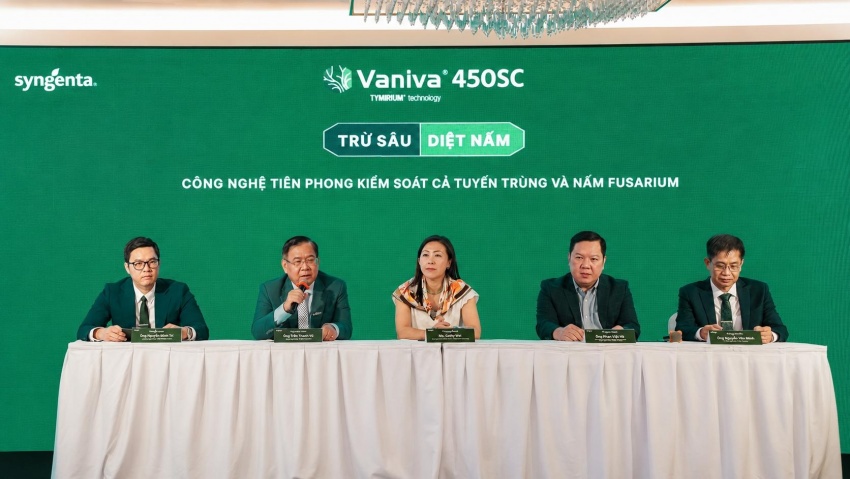
Representatives of Syngenta Vietnam and WASI at the Vaniva® 450SC press conference. Photo: Syngenta Vietnam

Breakthrough solution from Syngenta

Powered by TYMIRIUM technology and featuring the active ingredient cyclobutrifluram, Vaniva 450SC provides effective control of plant-parasitic nematodes and key soil-borne diseases, particularly Fusarium spp., helping protect root systems and establish a strong foundation for healthy crop growth from the earliest stages.

Developed through more than 15 years of Syngenta research and innovation, TYMIRIUM technology is designed to address some of the most challenging below-ground pests and diseases while protecting soil and root health.

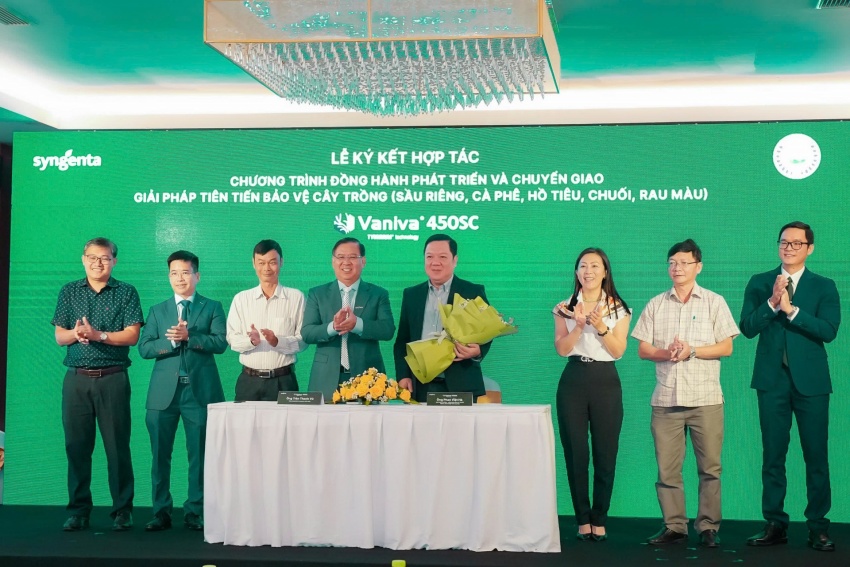
Vaniva is a new-generation solution and is currently the only product in Vietnam classified in the dual mode-of-action group, registered for the control of both nematodes and Fusarium.

By safeguarding root systems early in the crop cycle, Vaniva 450SC helps improve water and nutrient uptake, supports vigorous crop establishment, and enhances plant resilience under challenging growing conditions. Beyond delivering effective crop protection, TYMIRIUM technology reflects Syngenta’s commitment to advancing sustainable and regenerative agriculture by developing innovative solutions that help farmers increase productivity while reducing environmental impact.

According to Syngenta, solutions powered by TYMIRIUM technology are being introduced across more than 100 crops in over 60 countries, demonstrating the company’s continued commitment to innovation that enables farmers to produce more while caring for the health of their soils and the future of agriculture.

Syngenta Vietnam strengthens crop root disease protection with Vaniva 450SC
Syngenta Vietnam and WASI sign a cooperation agreement for a joint programme to develop and transfer crop protection solutions. Photo: Syngenta Vietnam

Safe for people and crops

Vaniva 450SC delivers superior efficacy at low active-ingredient rates – only 1/2 to 1/10 of some other solutions – meaning significantly less active ingredient enters the environment, reducing environmental impact and better protecting beneficial organisms. In the soil, the product does not affect earthworms or the beneficial microorganisms essential to soil fertility.

By conserving soil biodiversity and increasing root biomass, it supports soil health and a sustainable agricultural ecosystem – reflecting Syngenta’s direction of developing solutions that protect soil health, support regenerative agriculture and reduce environmental impact.

The launch of Vaniva 450SC reflects Syngenta’s long-term commitment, guided by its purpose of “Breakthroughs for farmers, in every field.”

What sets Syngenta apart is not only its innovative products, but also its integrated approach – combining world-leading research and innovation with close partnerships with farmers through technical knowledge transfer, safe crop protection stewardship training, field days, and on-farm demonstration trials conducted directly in farming communities.

Tran Thanh Vu, managing director of Syngenta Vietnam, said, “With Vaniva 450SC we complete a comprehensive root-protection solution for farmers – from nematodes to fungal disease, including Fusarium, for which no truly effective solution previously existed. This is the result of many years of research, and it reflects Syngenta’s commitment: bringing the most advanced technologies, safer for people and the environment, to Vietnam’s fields.”

ASEAN steps up digital push for agriculture MSMEs to boost competitiveness ASEAN steps up digital push for agriculture MSMEs to boost competitiveness

USDA opens applications for agribusiness trade mission to Vietnam USDA opens applications for agribusiness trade mission to Vietnam
Hanoi, Bac Ninh and Hung Yen seek closer regional integration to attract investment in smart agriculture Hanoi, Bac Ninh and Hung Yen seek closer regional integration to attract investment in smart agriculture

Rize raises $31 million to accelerate sustainable rice farming in Vietnam and Southeast Asia Rize raises $31 million to accelerate sustainable rice farming in Vietnam and Southeast Asia