Held since 2003 by the Vietnam Software and IT Services Association (VINASA), the Sao Khue Awards are one of the most prestigious honours in Vietnam’s IT industry. This year’s edition took place on May 28 in Hanoi and introduced a new evaluation framework to assess the maturity, innovation, and practical impact of digital products and services.

For Saigon Technology, this year’s recognition arrives at a particularly meaningful moment. Since 2012, the company has grown from a software development provider serving international clients into a global technology partner, with more than 400 engineers and over 850 successful projects delivered across North America, Australia, Europe, and the Asia-Pacific region.

The 2026 recognition is especially significant not just for the award itself, but also for the changing landscape of software development in the age of AI.
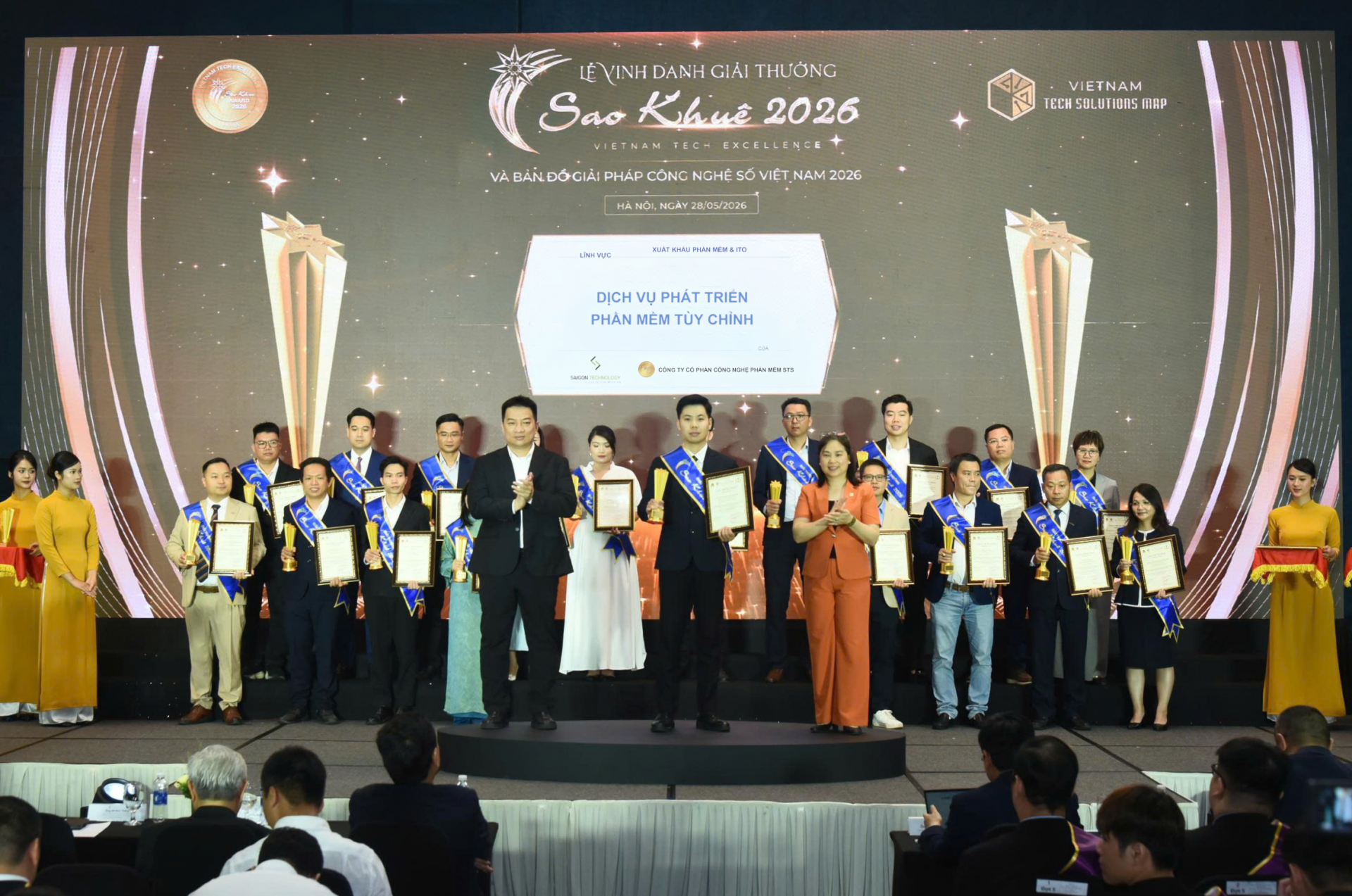
Saigon Technology marks AI-native engineering milestone at Sao Khue Awards 2026

As AI rapidly reshapes the software industry, development cycles are becoming shorter, repetitive coding tasks are automated, and businesses are demanding faster delivery without compromising quality.

This transformation has created a new challenge for software companies: how to continue delivering value when AI can perform many technical tasks that once required extensive human effort.

Rather than viewing AI as a disruption, Saigon Technology has embraced it as an opportunity to evolve. The company has expanded beyond the traditional outsourcing model, positioning itself as an AI-native engineering partner that combines experienced software talent, AI-enhanced development processes, and large-scale product delivery expertise.

Speaking at the award ceremony, Nguyen Duc Minh, business development manager at Saigon Technology, said that AI is not replacing software engineers but transforming the way they work.

“We do not see AI as a threat. Instead, it enables engineers to work more effectively and focus on solving complex business challenges. Technology will continue to evolve, but our mission remains the same: helping clients build software faster, leaner, and smarter in the AI era,” he said.

The market has already recognised this strategic direction. In the Top 10 ICT Vietnam 2025 rankings, Saigon Technology was named among the Top 2 Established Performers Providing AI Application Development Platforms, Top 2 Enterprises Providing Global Digital Services, and Top 6 Software Development & Application Companies.

The AI-native Custom Software Development category at Sao Khue 2026 recognises the core capability that Saigon Technology has built over the years: helping businesses design, build, and scale software solutions tailored to their unique needs.

This is not the company’s first appearance at the Sao Khue Awards. Saigon Technology previously received Sao Khue Awards in both 2019 and 2020, highlighting the company’s strong engineering foundation. This year’s recognition reflects something broader: its ability to adapt, innovate, and continue creating value in an industry being transformed by AI.

Alongside technology achievements, Saigon Technology has also earned recognition for its workplace culture and commitment to talent development. The company received Great Place to Work Certification in 2022, 2023, and 2025, was named among the Best Workplaces in Vietnam and Best Workplaces in Asia in 2023, and was included in Fortune’s 100 Best Companies to Work For in Southeast Asia in 2025.
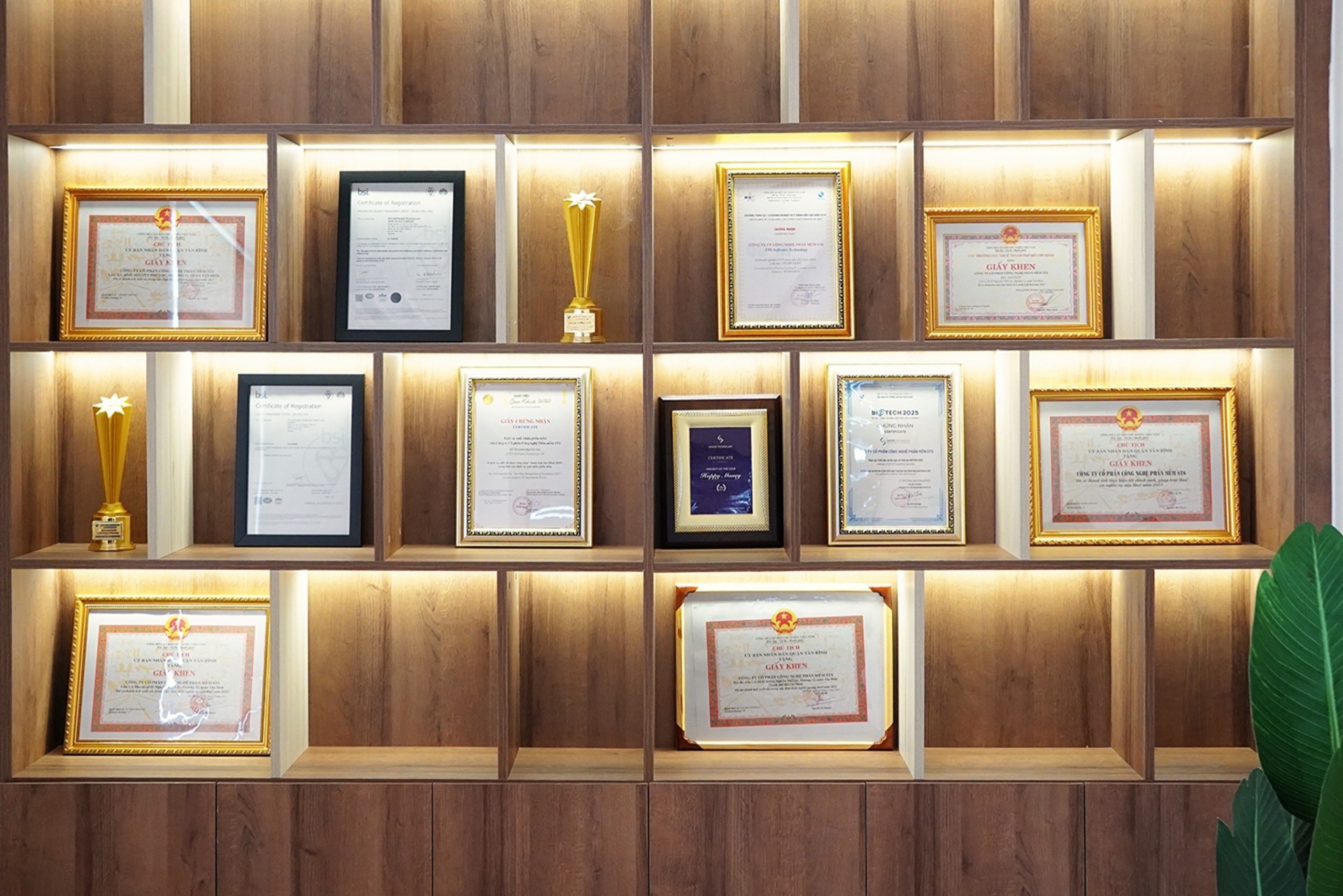
Saigon Technology marks AI-native engineering milestone at Sao Khue Awards 2026

“Each milestone reflects the collective effort of our people, our culture, and our commitment to continuous improvement. Sao Khue 2026 is a reminder of how far we have come, but more importantly, it inspires us to keep moving forward,” Minh shared.

As Vietnam continues to strengthen position as a growing technology hub in the Asia-Pacific region, companies like Saigon Technology demonstrate how Vietnamese software firms can compete and thrive on the global stage.

The US ready to cement partnership with Vietnam and ASEAN The US ready to cement partnership with Vietnam and ASEAN

The United States is ready to deepen its partnership with Vietnam and ASEAN across every dimension of the relationship, US Deputy Secretary of State Christopher Landau has said.

VNG unveils new positioning for AI era VNG unveils new positioning for AI era

At its 2026 AGM on June 6, VNG Group unveiled its new positioning as “Vietnam’s digital ecosystem builder for the AI era.”

Cost increases trigger supply chain overhauls for businesses Cost increases trigger supply chain overhauls for businesses

Deloitte’s 2025 Asia Pacific Tax and Tariff Complexity Survey finds that 41 per cent of businesses in Asia-Pacific, including Vietnam, would consider significant supply chain realignment even with cost increases below 20 per cent.

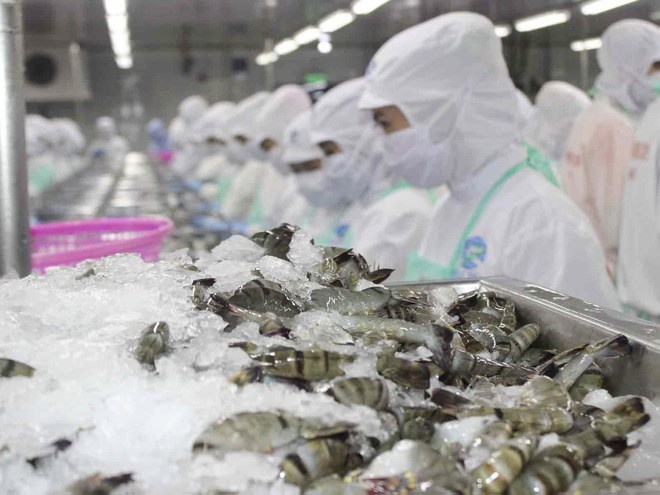
Vinh Hoan Corporation recently released its first-quarter financial results, reporting consolidated revenue of approximately $118.2 million, up 12 per cent on-year, while net profit rose sharply by 38 per cent to about $10.6 million.

The company’s core basa fish segment recorded revenue growth of more than 14 per cent and accounted for 55 per cent of total revenue, serving as the primary driver behind their strong start to the year.

Also benefiting from robust global demand was Nam Viet Corporation, which posted a 66 per cent increase in net revenue to approximately $73.8 million, while net profit surged 48 per cent to around $7.8 million.

Seafood exporters deliver strong Q1 though challenges persist
Seafood companies continue to face significant risks in 2026 despite improving business performance

Beyond basa fish, Nam Viet has gained attention for expanding exports of tilapia, a whitefish species that is increasingly favoured as a substitute for more expensive whitefish products amid ongoing pressures on the global economy.

The positive picture was also reflected in the financial performance of shrimp exporters. For instance, Sao Ta Foods JSC reported Q1/2026 net profit of approximately $2.03 million, up 34.6 per cent on-year, despite a nearly 30 per cent decline in revenue to around $56 million.

According to PAN Group, Sao Ta’s parent company, the sharp revenue decline resulted from the company’s deliberate decision to limit exports to its key market, the United States, while awaiting the outcome of anti-dumping proceedings. At the same time, disease outbreaks affecting shrimp farming reduced the supply of raw shrimp, further weighing on revenue.

Nevertheless, Sao Ta was able to optimise costs thanks to its self-sufficiency in raw material supply. According to the company, the sharp increase in earnings stemmed largely from favourable results from the settlement of its late-2025 shrimp farming season.

Meanwhile, Minh Phu Seafood Corporation reported a twelvefold increase in after-tax profit during the period, reaching nearly $8.6 million, while the company’s revenue climbed more than 98 per cent to approximately $228 million.

The comeback of the company was driven by improved cash-flow management and a strategic focus on value-added products, which significantly enhanced profit margins.

The performances of Sao Ta and Minh Phu underscore the resilience and adaptability of Vietnam’s shrimp producers at a time when competition in international markets is intensifying and the United States – one of the industry’s most important export destinations – continues to pose challenges through trade remedies and protectionist measures.

In the first five months of 2026, Vietnam’s seafood export value reached $4.67 billion, up 11 per cent on-year.

Combined with the strong financial results reported by leading industry players, the figures point to a promising recovery trend for the seafood sector.

However, according to the Vietnam Association of Seafood Exporters and Producers (VASEP), underlying market conditions are not entirely favourable, as buyers have become more cautious and divergences among export markets are becoming increasingly apparent.

Notably, tightening standards and growing trade protectionism are creating headwinds for the industry.

This was reflected in a 10 per cent decline in seafood exports to the United States and a 2.2 per cent drop in exports to EU during the first five months of the year.

These two markets have been among the most proactive in introducing trade defence measures, traceability requirements, sustainability standards and policies aimed at combating illegal fishing.

For the shrimp industry, the most significant challenge stems from anti-dumping litigation involving warm-water shrimp exports to the United States.

Although preliminary tariff rates have been reduced substantially compared with earlier findings, they continue to place considerable pressure on corporate profit margins.

For the basa fish sector, challenges arise from rising costs of fingerlings, production, feed and transportation, all of which have continued to increase since 2025. As a result, many farming areas remain cautious about expanding cultivation acreage.

In 2025, Vietnamese basa fish exporters shipping to the United States benefited from a zero per cent anti-dumping duty, creating better conditions for business. Nevertheless, VASEP cautioned that future trade defence measures in the US market remain highly uncertain.

VASEP forecasts that Vietnam’s seafood exports could grow by 8-10 per cent in 2026, surpassing $12 billion if market conditions remain favourable and trade remedy obstacles are effectively addressed.

Conversely, if compliance costs, transportation expenses, logistics costs and trade barriers continue to persist, growth in the seafood industry is likely to slow significantly in the latter part of the year, particularly for shrimp exporters and fishing companies.

Seafood exporters urged to prepare for expected downturn in 2026 Seafood exporters urged to prepare for expected downturn in 2026

After a bright year with export revenue on track to reach $10 billion in 2025, Vietnam’s seafood industry is forecast to face multiple headwinds from 2026 onwards.

Seafood exports to Japan surge towards new annual record Seafood exports to Japan surge towards new annual record

Vietnam’s seafood exports to Japan have gained strong momentum, reaching nearly $1.6 billion since the start of the year and positioning the sector to set a new annual record.

Middle East tensions drive cost pressures for seafood exporters Middle East tensions drive cost pressures for seafood exporters

Seafood companies are facing mounting cost pressures and rising cold chain risks as the Middle East conflict escalates, posing urgent questions about market restructuring.

According to data from Metric, a Vietnam-based e-commerce data and market intelligence company, the gross merchandise value (GMV) generated by Vietnam’s four largest e-commerce platforms of Shopee, TikTok Shop, Lazada and Tiki during this year’s June 6 mega sales event could exceed $260 million

Data and technology redefine Vietnam’s e-commerce race
Vietnam’s e-commerce platforms are increasingly competing on customer experience rather than price

The forecast is based on the performance of the May 5 sales campaign, which recorded GMV of approximately $260 million.

Beyond growth in scale, the market is also witnessing profound changes in consumer behaviour, competitive dynamics and platform business models.

The figures highlight the continued strength of online spending in Vietnam. Earlier, a market report from Metric showed that Vietnamese consumers spent approximately $17.2 billion on Shopee, TikTok Shop, Lazada and Tiki in 2025, an average of about $47.7 million per day.

Meanwhile, a report by YouNet ECI, a Vietnamese market research and analytics company specialising in e-commerce intelligence, found that total GMV across the four major platforms exceeded $18.32 billion in 2025, growth of 26 per cent compared with the previous year.

The data suggest that e-commerce has entered a stage of large-scale expansion rather than serving merely as a supplementary sales channel, as was the case in the past.

Another notable trend is the rapid increase in average order value. According to Metric, GMV during the May 5 sales event rose 18 per cent on-year, while the number of products sold declined 6 per cent and the number of stores generating orders fell by around 10 per cent.

At the same time, the average value per product increased from $4.32 to $5.44, approximately 25 per cent growth.

This indicates that consumers are no longer focused on maximising the number of purchases, as seen during the post-COVID boom period, but are increasingly prioritising higher-quality products and higher-value segments.

Product categories posting strong growth included groceries, beauty products, mother-and-baby products, healthcare, mobile phones and home-related goods.

Notably, the beauty segment continued to demonstrate the effectiveness of livestream commerce, generating more than $47.76 million in sales on May 5 alone.

Industry experts say that Vietnam’s e-commerce sector is entering a more mature stage, where competition extends well beyond promotional discounts.

Rather than competing solely on price, e-commerce platforms in Vietnam are increasingly investing in logistics infrastructure, fulfilment centres, AI, user data capabilities, livestream commerce and creator networks.

With an annual market size measured in tens of billions of dollars and one of the fastest growth rates in the region, Vietnam’s e-commerce sector is expected to retain substantial growth potential.

However, the next phase of competition will not simply be a battle among platforms. It will increasingly be a contest among businesses capable of harnessing data, technology and the power of the creator economy to win over digital consumers.

To remain competitive, companies need to continuously upgrade their algorithms, advertising ecosystems and logistics capabilities, while making more strategic investments in branding, customer data and content development.

E-commerce race heats up with new player entering arena E-commerce race heats up with new player entering arena

A new commercial platform, nongsan.buudien.vn, has made its official debut.

Southeast Asian e-commerce market hit $157 billion in 2025 Southeast Asian e-commerce market hit $157 billion in 2025

Southeast Asia’s e-commerce gross merchandise value (GMV) grew 22.8 per cent on-year in 2025 to reach $157.6 billion, as leading platforms returned to growth while continuing to improve infrastructure, fulfilment, and customer experience, according to Momentum Works.

Over 200,000 OCOP items listed on e-commerce platforms Over 200,000 OCOP items listed on e-commerce platforms

More than 200,000 One Commune, One Product items have been labelled through the ‘Vietnam Goods Rise Up’ initiative launched on TikTok Shop in 2025.

GStar Summit 2026: AI & Humanity took place on May 29, co-organised by the New Turing Institute (NTI) and Pacific Gateway Partners. The event brought together global AI leaders and experts to share innovations, practical applications, and talent development initiatives.

GStar Summit 2026 explores human-centric AI to boost productivity
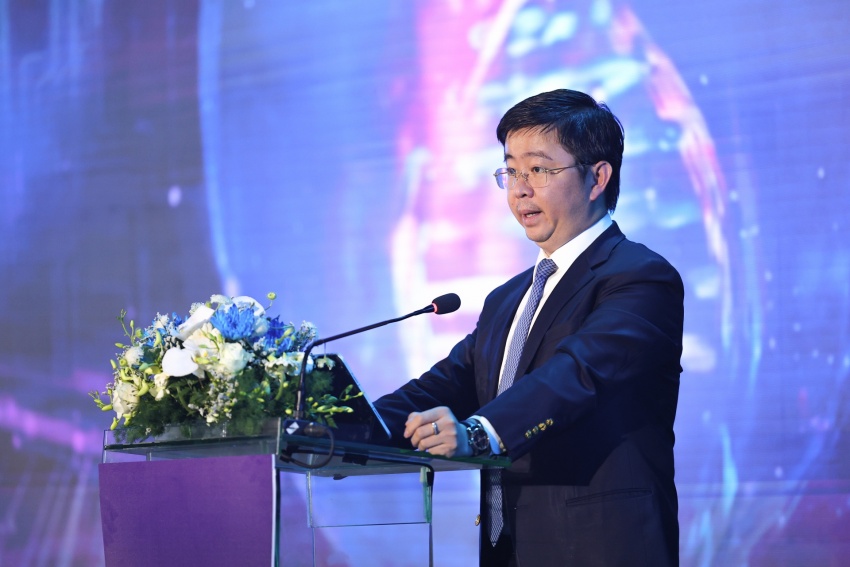
Bui Hoang Phuong, Deputy Minister of Science and Technology

Speaking at the forum, Bui Hoang Phuong, Deputy Minister of Science and Technology, said that Vietnam identifies sci-tech, innovation, and digital transformation as key drivers to enhance labour productivity, improve growth quality, and strengthen national competitiveness to achieve rapid and sustainable development.

“In this process, digital technologies, particularly AI and big data, have truly become remarkable breakthroughs and play an especially important role. AI has been identified as one of the strategic technologies that Vietnam must master and promote for widespread application across all aspects of socioeconomic life,” he said.

To effectively advance AI, according to Phuong, Vietnam has identified several core priorities, including research and development aimed at achieving technological self-reliance; promoting AI adoption with the key objective of transforming mindsets and improving AI literacy among citizens, businesses, and organisations; strengthening governance and addressing social impacts with a human-centric approach while supporting workforce reskilling and career transition training; and enhancing international cooperation, research sharing, and the development of a common global AI ecosystem.

Thang Luong, principal scientist and director of Research at Google DeepMind and co-founder of NTI, shared his long-standing concerns over the past decade regarding the development of a high-quality AI workforce for Vietnam.

“My biggest aspiration is that by 2030, Vietnam will have 100,000 highly skilled AI engineers. This workforce will become the driving force enabling Vietnam to deploy any technological solution in the world and emerge as a deeptech hub,” Luong told VIR.

“Having a large pool of talented people will help create a peer ecosystem, encouraging overseas Vietnamese talent to return and contribute to the country,” he added.

However, Luong explained that talent alone would not be sufficient to achieve this goal, noting that Vietnam must also prepare other critical foundations, including robust computing infrastructure and a vibrant startup environment.

Modern AI, particularly deep learning, requires enormous processing power from GPUs such as those developed by Nvidia or specialised chips like Tensor Processing Units, which are being utilised by Google. At the same time, Vietnam needs to foster a dynamic startup ecosystem inspired by Silicon Valley, capable of attracting international experts and investors to help build the country’s AI ecosystem.

To achieve the target of 100,000 AI engineers, Luong proposed several new approaches, including a ‘train-the-trainers’ model, under which trainers would be equipped with technological expertise along with the ability to inspire learners and foster human values, such as the joy of helping others.

Secondly, he highlighted the need to train lecturers to utilise AI in creating teaching materials and personalising education. AI can automatically adapt content by providing simpler explanations for beginners or more advanced knowledge for high-performing learners.

Finally, Luong stressed the importance of stronger collaboration from the business community, noting that partnerships with major corporations would help accelerate the realisation of shared goals.

Wendy Nguyen, co-founder and partner of Pacific Gateway Partners, shared insights on national strategy, economic development, and the integration of technology with human capabilities.

Nguyen noted that while Vietnam possesses enormous potential and resources, success will depend on two key factors: a clear national strategy and a strong execution team.

“Vietnam needs top-tier strategic experts to map out a clear roadmap and determine where to begin, rather than spreading resources too thinly across too many areas at once. At the same time, hardcore executors – a combination of strategic thinkers, decisive operators, and technology specialists – will help elevate Vietnam to a new level,” she said.

Nguyen also proposed a ‘special task force’ model, suggesting that instead of simply following the direction of major global players, Vietnam should focus on building small but highly capable teams, similar to how a group of just 50 people at Google was able to launch new and innovative products.

Pacific Gateway Partners aims to strengthen Vietnam’s global connectivity through initiatives such as building alliances among the United States, Japan, South Korea, Taiwan, and Vietnam to leverage shared resources and mutual support. The firm is also seeking to capture ‘early-win’ opportunities by identifying sectors where other countries face supply shortages and positioning Vietnam as a provider, such as in bio-manufacturing to help reduce the dependence of the US, Japan, and South Korea on alternative supply sources.

Technology transfer is another critical objective, according to Nguyen. “Financial investment alone is not enough. Vietnam also needs the ‘fishing rod’, meaning the ability to master technology so that it does not become dependent on or controlled by investors,” she said.

GStar Summit 2026 explores human-centric AI to boost productivity

As Asia accelerates its AI capabilities, supported by a young and dynamic workforce alongside rising cross-border investment flows, GStar 2026 seeked to strengthen collaboration between businesses and academia across the region.

The event featured speakers and distinguished guests from leading technology corporations, including Google, FPT, Qualcomm, Boryung, and MoMo; prestigious academic institutions such as Carnegie Mellon University (CMU) and Mohamed bin Zayed University of Artificial Intelligence (MBZUAI); as well as pioneering startups including LIFE AI, Calif, Tynapse, and Kotoba Technologies, alongside scientists, innovators, policymakers, and investors.

Beyond academic discussions, the forum focused on advancing practical AI applications and talent development for Vietnam and the Asia-Pacific region more broadly, serving as a strategic bridge connecting businesses, innovators, and investors. The event also featured live demonstrations of notable AI applications in healthcare, fintech, and generative AI.

GStar 2026 continues the series of annual AI events organised by New Turing Institute since 2018 to connect Vietnam’s AI community with global experts. Notable examples include GenAI 2024, which attracted more than 800 participants and featured over 17 prominent speakers, including Jeff Dean, chief scientist of Google, and AI Day 2023, which drew more than 1,300 attendees and over 27 renowned speakers, including Sam Altman, CEO of OpenAI, and Christopher Manning, director of the Artificial Intelligence Laboratory at Stanford University.

Vietnam maintains stable AI outlook in 2026 survey Vietnam maintains stable AI outlook in 2026 survey

Vietnam’s AI adoption and public sentiment remained broadly stable in 2026, with the country scoring 58.4 points in the latest WIN World AI Index, compared to 58.5 points a year earlier.

Vietnam’s digital growth bet Vietnam’s digital growth bet

As Vietnam races towards an ambitious double-digit growth target, policymakers and tech leaders are pushing to turn digital transformation, AI and regulatory sandbox reforms from long-term strategy into immediate economic momentum.

OECD projects GDP growth of 6.5 per cent for Vietnam this year

In a report released on June 3, the Organisation for Economic Co-operation and Development (OECD) noted that GDP grew by 8 per cent in 2025 and remained strong in the first quarter of 2026, with GDP increasing by 7.8 per cent on-year. Private consumption remained resilient, underpinned by wage and employment increases, while public investment was supported by progress in infrastructure projects.

The labour market is tight with a historically low unemployment rate of 2.2 per cent, and the labour force participation rate increased to 68.7 per cent towards the end of 2025, followed by a slight decline to 68.3 per cent in the first quarter of 2026. Headline and core inflation both rose in April, to 5.5 per cent and 4.7 per cent, respectively. Fuel and transport prices increased by 11.1 per cent on-year.

Exports remained robust throughout 2025 and maintained their momentum in early 2026. Despite the imposition of US tariffs, goods exports remained strong against the backdrop of surging demand for semiconductor-related goods. Services exports have also remained strong, particularly in the tourism sector.

Foreign direct investment (FDI), an important driver of growth for Vietnam, has continued its steady increase. With more than 80 per cent of Vietnam’s oil imports coming from the Middle East, Vietnam is strongly exposed to the evolving conflict in the Middle East.

Fiscal policy will continue to support growth through increased public investment, pursuing an ambitious growth target of 10 per cent average growth over 2026 to 2030. The fiscal deficit of the general government is expected to widen to 4.8 per cent of GDP this year, mainly due to tax cuts in response to higher energy prices. The current energy-related tax cuts include setting import tariffs and the environmental protection tax on petroleum products to zero until the end of June.

Considering that public debt, at 31.5 per cent of GDP in 2025, is well below the 60 per cent ceiling, Vietnam has fiscal space to address emerging medium-term spending pressures and short-term spending needs. The monetary policy stance, defined through quantitative credit targets, has been accommodative since June 2023 and is expected to remain supportive during 2026 and 2027.

“GDP growth is projected to slow to 6.5 per cent in 2026 and 6.2 per cent in 2027 amid higher energy prices and measures to limit energy use. Private consumption will remain buoyant due to strong wages and employment, while the higher energy-related costs and the planned VAT rate increase at the beginning of 2027 will likely dampen private consumption temporarily and keep inflation elevated,” the OECD said.

Investment growth will be supported by public-sector-led projects under the new five-year plan. However, if project implementation falls short of schedule, the growth effect may turn out lower or materialise later.

Exports are expected to lose momentum in 2026 as possible supply disruptions, increased transport costs and the phase-out of front-loaded foreign demand, including on semiconductor-related products, take their toll. Service exports, particularly those related to tourism, are expected to remain robust.

As a small trade-dependent economy and a net importer of oil and gas from the Middle East, Vietnam is particularly vulnerable to higher energy prices and energy shortages, including of refined fuels. Additional downside risks stem from trade policy uncertainty and a possible increase in non-performing loans.

According to the OECD, the central bank should closely monitor inflation risks from rising energy prices and related second-round effects and stand ready to tighten monetary policy if needed. Moving towards a price-based monetary policy would improve macroeconomic resilience and facilitate stronger competition in financial markets, potentially improving the allocation of capital and raising productivity.

Regulatory reforms, such as opening up services markets to competition and FDI, hold significant potential to boost productivity, in addition to reducing the weight of state-owned enterprises and levelling the playing field with private firms. Informality affects around two-thirds of employees, limiting resilience and holding back productivity growth. Stronger incentives for formal job creation could result from efforts to reduce the labour tax wedge for low-income earners while enhancing the role of non-contributory social protection benefits.

Investing in climate-change adaptation measures will be key to enhance climate resilience against floods, typhoons and rising sea levels. Tax cuts on fuels should remain time-bound, while stronger efforts to accelerate the rollout of renewable energy sources would help support both energy security and emission reductions.

OECD meeting closes with key input from Vietnam's Ministry of Finance OECD meeting closes with key input from Vietnam’s Ministry of Finance

The 2025 Organisation for Economic Co-operation and Development (OECD) Ministerial Council Meeting concluded after two days of deliberations in Paris on June 4, with the Vietnamese Ministry of Finance delegation making significant contributions to the event’s overall success.

Vietnam Economic Report 2025: OECD insights on sustainable growth strategy Vietnam Economic Report 2025: OECD insights on sustainable growth strategy

The Ministry of Foreign Affairs, in coordination with the Ministry of Finance and the Organisation for Economic Cooperation and Development (OECD), hosted a seminar to launch the Vietnam Economic Report 2025 on June 20 in Hanoi.

OECD projects moderation in Vietnam’s GDP growth over next two years OECD projects moderation in Vietnam’s GDP growth over next two years

Vietnam’s economic growth is expected to slow in the coming years, with real GDP projected at 6.2 per cent in 2026 and 5.8 per cent in 2027, the OECD has said.

Since 2018, the clinic has completed more than 4,000 implant cases and treated hundreds of international patients and overseas Vietnamese from markets including Australia, the United States, Germany, the Netherlands, New Zealand, Taiwan, Korea, Japan, Canada, and France.

Why international patients trust Ho Chi Minh City dental clinics for implants

Most international patients initially arrive uncertain about receiving treatment abroad, but many leave with a different perspective, reflecting the growing role of Ho Chi Minh City in dental tourism for implant treatment.

Most dental clinics are general practices that also perform implants. Dr. Care operates differently by concentrating entirely on implant dentistry, particularly for patients with long-term tooth loss, severe bone resorption, systemic health conditions, or failed implant histories.

At Dr. Care, the clinic’s infrastructure, diagnostic systems, and clinical training are all dedicated to implant treatment, where complex cases are treated as the standard rather than the exception.

This philosophy is reflected in the clinic’s conservative treatment approach. In one case involving an Australian patient with multiple missing upper teeth, extensive bone loss, and deteriorating remaining teeth, Dr. Care preserved every tooth that could still be maintained instead of removing the full arch.

The patient received six implants with an FP1-type prosthesis, a technically demanding restoration designed to replicate the emergence of natural teeth from healthy gum tissue.

The clinic is led by Dr. Doan Vu, master of science, specialist level II – medical director and president of the Ho Chi Minh City Chapter of the International Team for Implantology Club. His research on peri-implant soft-tissue augmentation has been published in the international peer-reviewed journal Medicine and in the Vietnam Medical Journal.

His colleague, Dr. Vo Huyen Bao Tran, MSc – full-arch implant specialist, Dr. Care Implant Clinic and APAC representative, Straumann inspirED Global Full-Arch Educator Summit, Basel, Switzerland, where leading implant educators discussed digital full-arch rehabilitation protocols.

Why international patients trust Ho Chi Minh City dental clinics for implants

Many international patients arrive at Dr. Care with expectations shaped by clinics in their home countries. In Australia and several Western countries, implant patients often leave surgery without temporary teeth and wait three to six months during osseointegration before receiving restorations.

At Dr. Care, temporary full-arch prostheses are produced using digital scanning technology and are typically fitted on the day of surgery or within two to six days afterward.

Another point frequently mentioned by patients is the clinic’s English-language consultation process. Patients report that explanations about treatment plans, costs, timelines, and post-operative care are detailed and clear enough to help them make informed decisions. Clinical restraint is also a key reason many patients choose the clinic.

At Dr. Care Implant Clinic, full-arch All-on-4 restoration ranges from $4,360 to $5,960, while All-on-6 treatment ranges from $6,320 to $8,720 per jaw. Prices include VAT, implant fixtures, abutments, temporary prostheses, and all clinical appointments across both treatment phases, with no consultation fees charged.

For international patients, Dr. Care follows a structured four-phase treatment process: remote preparation before travel, including CT scan review, treatment planning, and detailed online cost estimates; a first visit of 7-14 days for implant placement and temporary prosthesis delivery; a 3-6 month osseointegration period at home with remote follow-up; and a second 7-14 day visit for final ceramic restoration.

The clinic also supports patients with inner-city transportation, accommodation guidance, and pre-arranged treatment schedules so patients can focus on treatment and recovery during their stay in Vietnam.

Vietnam’s healthcare sector is projected to reach $14.25 billion by 2029, according to Statista, with dental tourism forming an important part of that growth. One reason is cost: implant treatment in Vietnam is often one-third to one-quarter the price of equivalent treatment in Australia, the United States, and Western Europe, while clinical infrastructure increasingly meets international standards.

Why international patients trust Ho Chi Minh City dental clinics for implants

Ho Chi Minh City, home to around 40 per cent of Vietnam’s more than 2,000 dental facilities, has become a major centre for this development. For international patients considering implant treatment abroad, the key question is no longer whether Vietnam is an option, but which clinic has the systems, communication, and clinical discipline to manage complex multiphase treatment successfully.

Dr. Care Implant Clinic

Address: P3-0.SH08, Park 3, Vinhomes Central Park, 720A Dien Bien Phu, Binh Thanh, Ho Chi Minh City

Phone: 093 82 38910

Email: cskh@drcareimplant.com

Website: drcareimplant.com

Parkway dental clinic chain secures $5 million investment Parkway dental clinic chain secures $5 million investment

Vietnamese dental clinic chain Parkway has wrapped up an investment of about $5 million from 24hmoney.

Why you should choose Elite Dental Centre as your dental specialist Why you should choose Elite Dental Centre as your dental specialist

With exceptional expertise, skills and state-of-the art equipment, Elite Dental Centre has proven the choice to many patients at home and from advanced economies.

Vietnam’s dental industry strengthens position on global medical tourism map Vietnam’s dental industry strengthens position on global medical tourism map

Vietnam’s dental industry is strengthening its position on the global medical tourism map through advances in technology, materials, and policy.

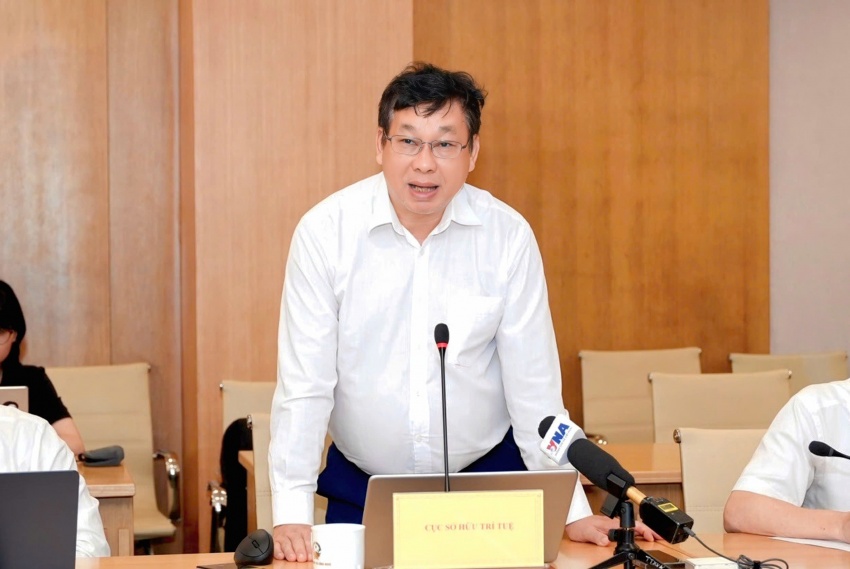
Since Directive No.38/CD-TTg was issued on May 5, total fines have exceeded VND12 billion ($480,000), according to Tran Le Hong, deputy director general of the National Office of Intellectual Property of Vietnam under the Ministry of Science and Technology (MST). The ministry has established a monitoring mechanism to compile daily reports on violations nationwide to support the guidance and management work of the government.

Over 1,400 IP cases handled under PM's enforcement directive
Tran Le Hong, deputy director general of the National Office of Intellectual Property of Vietnam. Photo: MST

Of the total cases, about 1,146 cases were handled administratively, and 28 cases were prosecuted criminally. Locak authorities also discovered nearly 30 cases of serious violations.

“Three weeks after the PM issued Directive 38 on focusing on decisively implementing solutions to combat, prevent, and handle intellectual property (IP) infringement, the number of administrative violations handled tripled the average monthly rate for 2025. The number of criminal cases initiated related to IP infringement was equivalent to approximately 60 per cent of the total number of cases initiated in 2025,” he shared.

According to the IP Office, many localities have established inter-agency task forces, strengthening coordination among the police, market management, customs, and other relevant agencies in inspecting, detecting, and handling violations.

The office also strengthens support for enforcement agencies, providing expert opinions to assist in handling cases of infringement of intellectual property rights (IPR) and industrial property rights, and publicly announces a contact point for assisting in searches and coordinating the provision of information to support the handling work of enforcement agencies nationwide.

He stated that the MST is coordinating with relevant ministries and agencies to build a national database on IPR enforcement by the end of 2026. Based on the compilation of daily reports, the ministry is gradually forming an initial data source on the detection and handling of IP infringements nationwide.

It is expected that this database will integrate information on administrative and criminal violations; typical, serious, or complex cases; and simultaneously update data on IPR, expert assessment results, and the process of handling infringements by enforcement agencies nationwide.

“Once built and operational, the database will support enforcement agencies in searching, sharing, and cross-referencing information more quickly, and coordinating the handling of cases more effectively. The database will be a powerful tool for statistical work and forecasting trends in IP infringement, serving as a basis for planning the activities of IP enforcement agencies nationwide,” he noted.

The effective tools to repress IP infringements The effective tools to repress IP infringements

The intellectual property of reputable and well-known businesses is perpetually the target of imitation. Nguyen Vu Quan, IP attorney at Kenfox IP and Law Office, explains the solutions in Vietnam for businesses in this area.

EuroCham proposes IP infringement prosecutions EuroCham proposes IP infringement prosecutions

The European Chamber of Commerce in Vietnam (EuroCham) has proposed strong enforcement measures to fight against serious copyright infringement. The threat to Intellectual Property Rights (IPR) has caused significant damage to creators, as well as negatively impacted sales from legitimate consumers.

Following the official launch of its app in Vietnam in April, VOVO is gradually developing its e-commerce model in a direction that places greater emphasis on discovery experiences, the level of user participation, and flexible post-transaction options.

VOVO expands e-commerce through flexible consignment mechanism
VOVO – a differentiated integrated e-commerce application

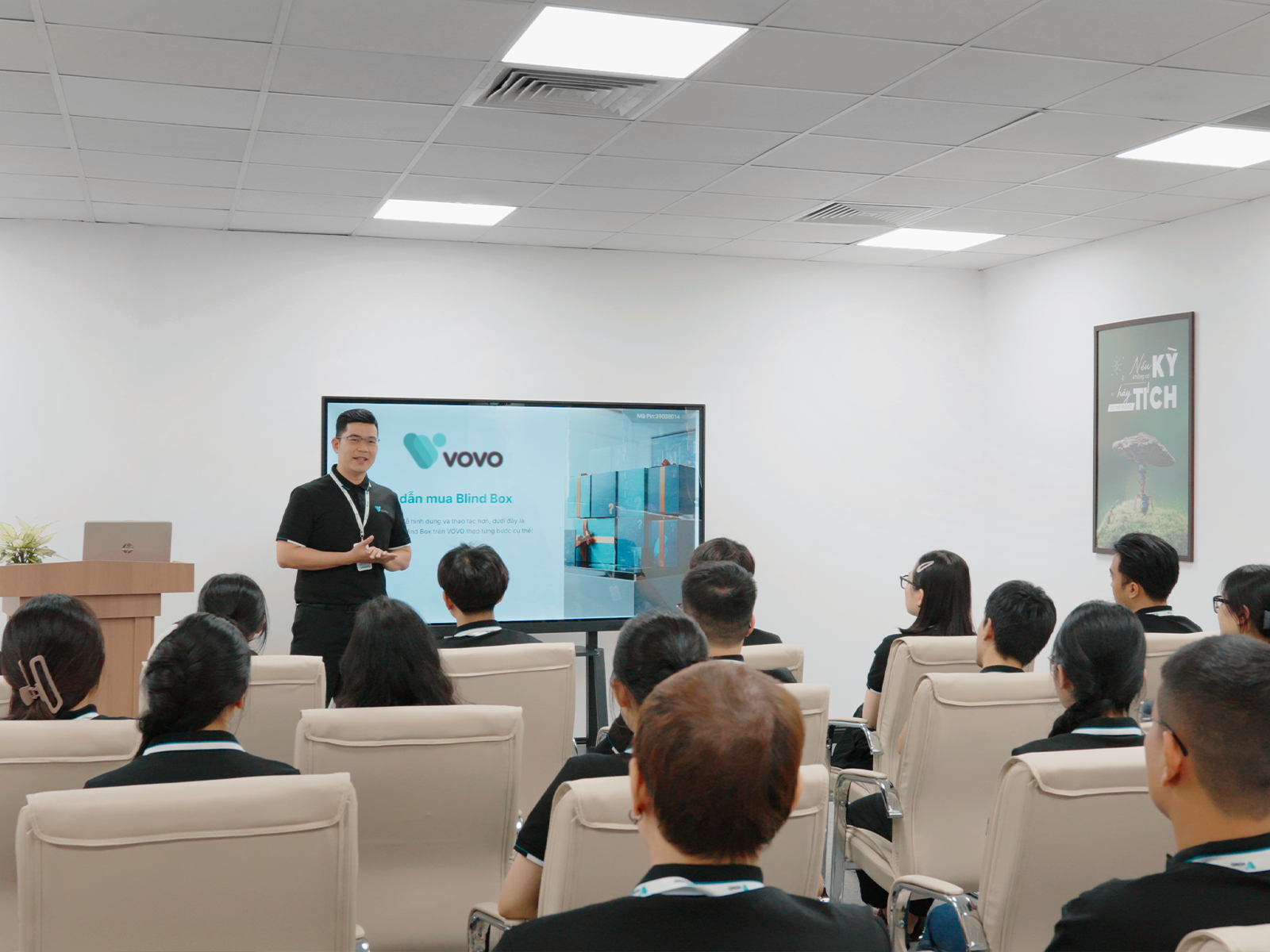
Unlike online shopping models that mainly focus on the steps of product selection, payment, and delivery, VOVO is developing its platform in a way that extends the consumer journey. In this model, the consignment mechanism is regarded as one of the notable features, giving users additional options for handling goods after completing a transaction for certain eligible products.

According to VOVO, in addition to standard shopping functions, the platform integrates a time-limited consignment mechanism for certain suitable products. This mechanism allows users, after completing a transaction and before delivery takes place, to choose either to receive the product or to use the consignment option in accordance with the platform’s regulations.

This approach makes the shopping experience more flexible while also increasing interactivity throughout the consumer journey. Instead of stopping at purchase and delivery, users have additional options after the transaction that better suit their personal needs, thereby reducing concerns during the purchase decision-making process.

VOVO is developed on a mobile application infrastructure combined with a real-time transaction data management system. This system supports the tracking of product status, transaction history, and user operation processes, thereby contributing to greater transparency in operations and helping optimise the user experience.

VOVO expands e-commerce through flexible consignment mechanism
VOVO e-commerce team

Some experts in the digital economy sector believe that, as e-commerce enters a stage of deeper competition centred on experience, models that combine online shopping, user interaction, and goods circulation mechanisms are gradually attracting attention in many markets. The addition of a consignment mechanism not only provides consumers with more options, but also helps expand the usage value of goods in the context of digital consumption.

VOVO is demonstrating its effort to develop a more participatory e-commerce model, in which users are not only buyers, but can also play a more proactive role in the process of experiencing, choosing, and handling products after the transaction.

VOVO expands e-commerce through flexible consignment mechanism
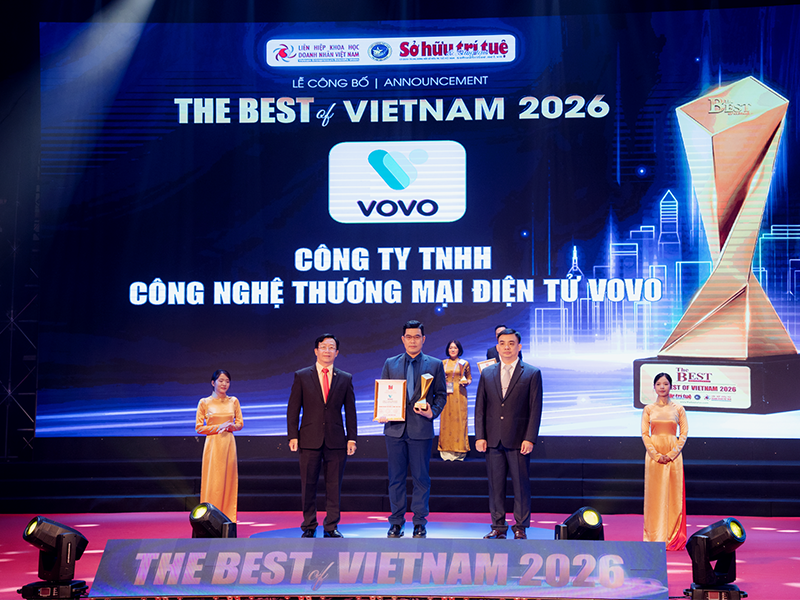
VOVO receives “The Best of Vietnam 2026” award in the “Innovation & Creativity” category

Going forward, the platform said it will continue to optimise the user experience, refine its operating processes, and expand its partnership ecosystem. This is considered the foundation for VOVO to continue developing its interest-based e-commerce model in Vietnam, while also contributing a new perspective to the innovation of the online shopping experience.

Southeast Asian e-commerce market hit $157 billion in 2025 Southeast Asian e-commerce market hit $157 billion in 2025

Southeast Asia’s e-commerce gross merchandise value (GMV) grew 22.8 per cent on-year in 2025 to reach $157.6 billion, as leading platforms returned to growth while continuing to improve infrastructure, fulfilment, and customer experience, according to Momentum Works.

Vietnam enters next phase of e-commerce export growth Vietnam enters next phase of e-commerce export growth

Vietnam’s fast-growing e-commerce sector is increasingly viewed as a contributor to export growth.

Over 200,000 OCOP items listed on e-commerce platforms Over 200,000 OCOP items listed on e-commerce platforms

More than 200,000 One Commune, One Product items have been labelled through the ‘Vietnam Goods Rise Up’ initiative launched on TikTok Shop in 2025.

On 28 May 2026, at the Hall of the People’s Committee of Ky Anh Commune, Ha Tinh Province, the Department of Science and Technology (DOST) of Ha Tinh Province, in coordination with the People’s Committees of communes and wards within the protected geographical area and the CIPTEK Center for Technology and Intellectual Property Research (a science and technology organization under ALIAT Group), solemnly held a conference to announce and present the Decisions granting Certificates of Registration for the two certification marks “Ky Anh Rice – Ha Tinh” and “High-Quality Ky Anh Rice – Ha Tinh”.

Ky Anh has long been recognized as one of Ha Tinh’s key rice-producing regions, benefiting from favorable natural conditions and a long tradition of rice cultivation. In recent years, the adoption of high-quality rice varieties such as ST25 and RVT and advanced farming practices has contributed to the development of rice products known for their quality and distinctive characteristics.

To strengthen market recognition and enhance the value of local agricultural products, since December 2023, DOTS of Ha Tinh Province has coordinated with the CIPTEK Center in carrying out the science and technology project under the Ha Tinh Provincial Intellectual Property Development Support Policy to 2025, entitled: “Establishment, Management and Development of the Certification Mark ‘Ky Anh Rice’ for Rice Products of Ky Anh District and Ky Anh Town (former administrative units), Ha Tinh Province.”

As part of the project, extensive surveys and assessments were conducted to document the reputation and quality attributes of local rice products. A brand identity system, certification mark management framework, and registration dossiers were also developed, alongside training activities on certification mark use, traceability, planting area codes, and product promotion.

As a result, the Intellectual Property Office of Viet Nam granted Certificates of Trademark Registration for the certification marks “High-Quality Ky Anh Rice – Ha Tinh” and “Ky Anh Rice – Ha Tinh” under Decisions No. 72401/QĐ-SHTT.IP and No. 72402/QĐ-SHTT.IP dated 7 May 2026.

The protected geographical area covers eleven communes and wards in the Ky Anh region, including Song Tri, Hai Ninh, Hoanh Son, Vung Ang, Ky Xuan, Ky Anh, Ky Hoa, Ky Van, Ky Khang, Ky Lac and Ky Thuong.

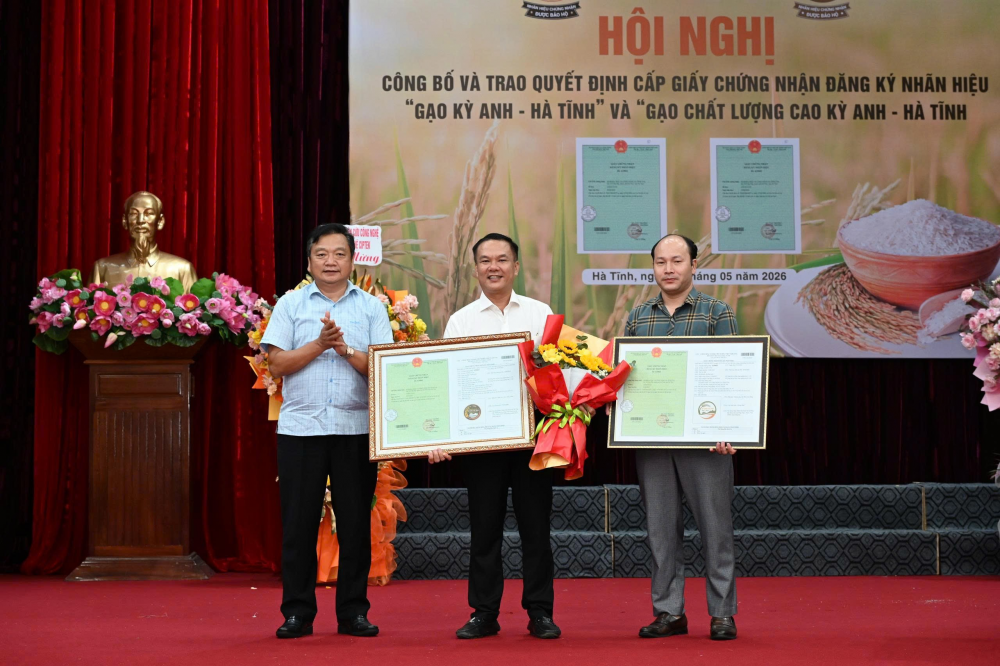
At the conference, Mr. Ho Huy Thanh, Vice Chairman of the People’s Committee of Ha Tinh Province, presented the Decisions granting Certificates of Registration for the two certification marks “Ky Anh Rice – Ha Tinh” and “High-Quality Ky Anh Rice – Ha Tinh” to the DOST of Ha Tinh Province, the lawful owner of the two certification marks in accordance with applicable regulations.

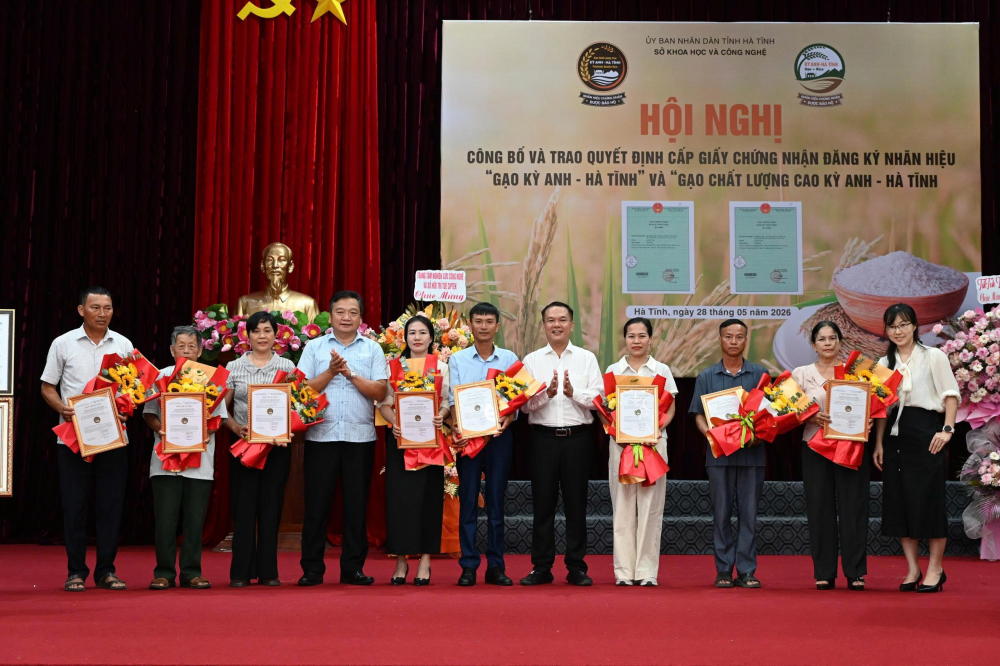
Also at the conference, the leadership of the DOST of Ha Tinh Province awarded the first batch of Certificates of the Right to Use the Two Certification Marks to eight production and business establishments that satisfied the conditions prescribed under the Rules on Management and Use of the certification marks.

The grant of Certificates of Registration for the two certification marks “Ky Anh Rice – Ha Tinh” and “High-Quality Ky Anh Rice – Ha Tinh” marks an important milestone in the branding and value enhancement of Ha Tinh’s agricultural products. It contributes to increasing the economic value of local rice products, creating momentum for the development of modern and sustainable agriculture, and gradually strengthening the position of Ha Tinh agricultural products in both provincial and wider markets.

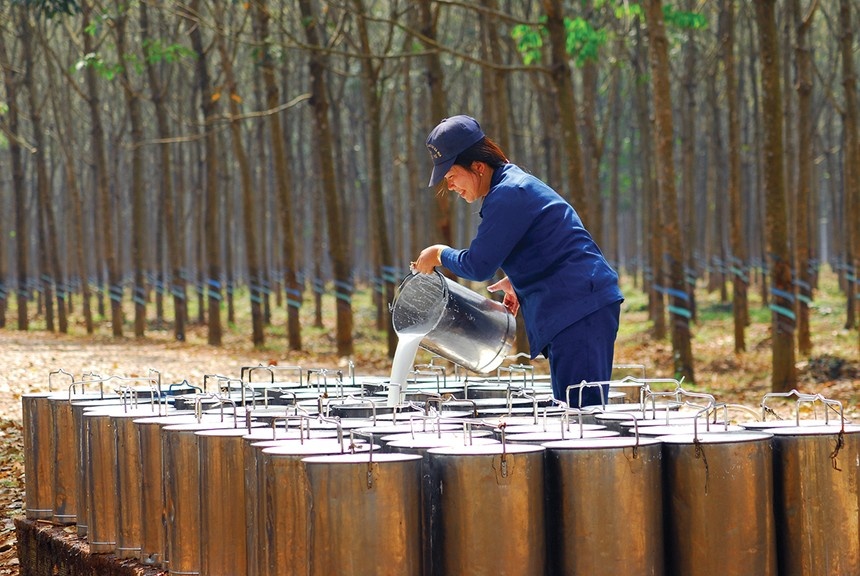
Since early May, natural rubber prices have climbed to their highest level in nine years, fluctuating at approximately $2,200-2,300 per tonne. The trend is creating better conditions for major rubber-exporting countries in Asia, including Vietnam.

In the first four months of 2026, Vietnam’s natural rubber exports continued to expand, while selling prices improved significantly. Rising prices and stronger consumption demand have quickly translated into positive business results for many companies in the sector.

Business operations at numerous natural rubber enterprises have also shown clear improvement. At Tan Bien Rubber JSC, first-quarter revenue exceeded $20.9 million, up 135 per cent on-year, while after-tax profit reached more than $9.1 million, up 209 per cent.

Rubber sector gains momentum from commodity rally and land windfall
The natural rubber prices are hovering at high levels in recent months

Vietnam Rubber Group currently owns around 377,797 hectares of rubber plantations. In Q1, the group recorded revenue of $353.8 million, up 56 per cent on-year, while profit surged 89 per cent to nearly $118.4 million.

The main growth driver came from stronger global rubber demand, particularly from the automotive and tyre manufacturing industries in China, the world’s largest rubber-consuming market.

Phuoc Hoa Rubber JSC also posted strong momentum in Q1, with revenue reaching $18.7 million, up 50.3 per cent on-year. Vietcombank Securities (VCBS) forecasts that Phuoc Hoa Rubber’s rubber segment revenue could reach around $69.8 million in 2026.

For Phuoc Hoa Rubber specifically, VCBS believes plantation productivity will continue to improve after the company completed the replanting of all ageing rubber trees, while many newly planted areas are entering a stable harvesting phase.

In addition, the company’s approximately 7,664 ha of rubber plantations in Cambodia are moving into the peak-yield stage of the crop cycle.

The favourable movement in rubber prices, together with expectations of stronger profit growth, has quickly attracted investor attention in the stock market.

Recently, shares of diverse rubber companies such as TRC, PHR and HRC have recorded strong gains. Notably, HRC shares hit the daily ceiling for four consecutive sessions from May 7 to 12.

Investors believe rubber stocks are entering a favourable phase, supported simultaneously by the commodity price upcycle and expectations of improving core business performance.

This marks an important distinction from previous periods, when many companies in the sector were valued mainly for their ‘land bank story’.

Phuoc Hoa Rubber has drawn considerable market attention as one of Vietnam’s largest natural rubber producers, with its land bank concentrated primarily in Binh Duong area (now part of Ho Chi Minh City).

The company plans to convert more than 3,000 ha of rubber land into industrial park developments, while also expanding into supporting sectors such as residential property, renewable energy and high-tech agriculture.

Meanwhile, shares of Tay Ninh Rubber JSC are viewed by An Binh Securities (ABS) as having positive sales volume prospects thanks to the recovery of the automotive and tyre manufacturing industries in major markets such as China and India.

The expansion of Vietnam’s electric vehicle ecosystem, particularly through cooperation between Vingroup and Vinachem to develop a materials supply chain for VinFast, could indirectly support long-term domestic rubber demand through increased local tyre production.

Beyond benefiting from the upcycle in natural rubber prices, many companies also possess a “dual-growth story,” combining expansion potential in their core businesses with the prospect of strong profits from industrial land assets.

According to VCBS forecasts, Phuoc Hoa Rubber alone could record around $28 million in profit from compensation related to rubber land conversion in 2026. Notably, the Bac Tan Uyen Industrial Park is expected to generate approximately $80-120 million in land conversion compensation for the company.

Tay Ninh Rubber also has the potential to deliver exceptional profit growth in 2026. The company plans to convert around 495 ha of rubber land at the Go Dau plantation – mainly ageing or low-yield plantations – to support the development of the Hiep Thanh Industrial Park.

The venture broke ground in December 2025. Under the plan, the 2025-2026 will focus on infrastructure deployment and completion of land-use conversion procedures, paving the way for Tay Ninh Rubber to recognise extraordinary income of around $78.4 million from land compensation and plantation liquidation.

Against the backdrop of persistently high natural rubber prices, improving harvesting and export activities, and the industrial park segment continuing to generate substantial revenue, rubber companies are considered to possess multiple supportive factors for medium- and long-term profit growth.

This partly explains why capital flows in the stock market are returning to rubber stocks after a relatively subdued trading period.

VN stocks advance on real estate, rubber firms VN stocks advance on real estate, rubber firms

Vietnamese shares rose on Wednesday morning, boosted by the positive moves of real estate and rubber stocks.

Insurers, stock brokers and rubber firms lift VN market Insurers, stock brokers and rubber firms lift VN market

Vietnamese shares gained ground on Wednesday morning, driven by insurance-finance and rubber industries.

Rubber firms report positive Q3 performance Rubber firms report positive Q3 performance

A price surge in the third quarter (Q3) has helped rubber companies to gain significant revenue and profit after years of struggling with low prices.