How does AstraZeneca Vietnam’s (AZVN) corporate culture reflect its core mission of pushing the boundaries of science to deliver life-changing medicines?

People encouraged to contribute and grow at AstraZeneca Vietnam

It is a vivid reflection of its mission to push the boundaries of science for life-changing medicines, embedding a sense of purpose into the employee experience.

The 2024 AZVN Pulse Survey Results captured a workforce that feels strongly connected to the idea of being patient-oriented, highlighting a shared commitment to improving lives through scientific innovation. This mirrors the global value of putting patients first, where every decision is guided by patient needs, and underscores a culture where employees are motivated to contribute to transformative healthcare outcomes

This mission is further brought to life through an empowering environment, where employees feel inspired to exceed expectations and align with the goal of advancing science. With over 30 years in Vietnam, AZVN has consistently advanced healthcare solutions, supported by talent initiatives that cultivate future innovators.

How does the company maintain a culture of innovation while operating within the strict regulations of the pharma industry?

AZVN does this by creating an environment that encourages creativity and adaptability, even under constraints. The aforementioned Pulse Survey underscores a strong commitment to personal development, reflecting AZVN’s focus on empowering employees with the skills and mindset to pioneer new ideas while adhering to compliance standards, both within the company and to local Vietnamese law.

This aligns with the global emphasis on learning and development and the value of being entrepreneurial, promoting bold yet ethical approaches to challenges. Furthermore, AZVN’s sustainability strategy reinforces this balance by emphasising how the company does business, guided by values, investing in people, and operating responsibly with robust governance and ethics to build long-term value, resilience, and trust, ensuring innovation respects regulatory and ethical boundaries.

This spirit is supported by initiatives like leadership mentoring and open dialogues with leaders, which likely encourage the exchange of fresh perspectives while maintaining regulatory integrity.

AstraZeneca has been recognised as a top place to work multiple times. What specific aspects of the company culture do you think contributes most to this recognition?

AstraZeneca’s repeated recognition in this area, including the recent Best Place to Work in Asia 2025 by HR Asia, is rooted in a culture that champions inclusion, wellbeing, and an inspiring workplace environment.

Employee wellbeing is central to our culture, demonstrated through comprehensive programmes that support physical and mental health, ensuring staff feel holistically cared for. The LEED Gold-certified office in Hanoi, a pioneering achievement for a pharmaceutical company in Vietnam, exemplifies this by offering a sustainable, health-focused workspace that enhances morale.

What is the company’s future corporate culture strategy to foster inclusion, belonging, and safety?

We are building on a foundation of trust and empowerment, aiming to deepen these cultural elements through visionary initiatives.

The many internal initiatives that we are currently carrying out in the company (like sport initiatives, coffee chat with leaders, sharing your ethical stories, and hackathon challenges, for example) reflect a workplace where employees feel encouraged to express their opinions freely and are valued for their diversity, pointing to an existing culture of openness and acceptance that AZVN seeks to enhance.

This mirrors the global Inclusion and diversity mission to create an equitable space where everyone feels they belong, a core principle guiding all efforts.

AZVN is committed to focusing on programmes to sustain an inclusive and inspiring environment while nurturing future talent, as shared by leadership.

Initiatives like the recent updated and inclusive employee insurance policy represent a tangible step towards fostering belonging and safety, offering an environment that prioritises employee health and connection, aligning with broader goals of environmental and community impact. This holistic approach ensures employees feel secure to contribute and grow.

Together, the companies aim to develop industrial and physical AI solutions that will bring AI-driven innovation to every industry and industrial workflow, as well as accelerate each other’s operations.

Siemens and NVIDIA expand partnership to build industrial AI operating system
CEOs of Siemens AG and NVIDIA

To support development, NVIDIA will provide AI infrastructure, simulation libraries, models, frameworks, and blueprints, while Siemens will commit hundreds of industrial AI experts and leading hardware and software.

“Together, we are building the industrial AI operating system, redefining how the physical world is designed, built, and run, to scale AI and create real-world impact,” said Roland Busch, president and CEO of Siemens AG.

“By combining NVIDIA’s leadership in accelerated computing and AI platforms with Siemens’ leading hardware, software, industrial AI, and data, we’re empowering customers to develop products faster with the most comprehensive digital twins, adapt production in real time, and accelerate technologies from chips to AI factories,” he said.

“Generative AI and accelerated computing have ignited a new industrial revolution, transforming digital twins from passive simulations into the active intelligence of the physical world,” said Jensen Huang, founder and CEO of NVIDIA. “Our partnership with Siemens fuses the world’s leading industrial software with NVIDIA’s full-stack AI platform to close the gap between ideas and reality,- empowering industries to simulate complex systems in software, then seamlessly automate and operate them in the physical world.”

Accordingly, Siemens and NVIDIA will work together to build AI-accelerated industrial solutions across the full lifecycle of products and production, enabling faster innovation, continuous optimisation, and more resilient, sustainable manufacturing.

The companies aim to build the world’s first fully AI-driven adaptive manufacturing sites globally, starting in 2026 with the Siemens Electronics Factory in Erlangen, Germany, as the first blueprint.

Using an “AI Brain”, powered by software-defined automation and industrial operations software, combined with NVIDIA Omniverse libraries and NVIDIA AI infrastructure, factories can continuously analyse their digital twins, test improvements virtually, and turn validated insights into operational changes on the shop floor.

This results in faster, more reliable decision-making from design to deployment, raising productivity while reducing commissioning time and risk.

The companies aim to scale these capabilities across key verticals and several customers are already evaluating some of the capabilities, including Foxconn, HD Hyundai, KION Group, and PepsiCo.

With the partnership expansion, Siemens will complete GPU acceleration across its entire simulation portfolio and expand support for NVIDIA CUDA-Xlibraries and AI physics models, enabling customers to run larger, more accurate simulations faster.

By applying industrial AI operating logic to semiconductors and AI factories, Siemens and NVIDIA will accelerate the engines of the AI revolution.

Starting with semiconductor design and building on NVIDIA’s extensive use of Siemens’ tools, Siemens will integrate NVIDIA CUDA-X libraries, PhysicsNeMo, and GPU acceleration across its EDA portfolio with a focus on verification, layout, and process optimisation, to target 2-10x speed-ups in key workflows.

Siemens and NVIDIA will also jointly develop a repeatable blueprint for NextGen AI factories, accelerating the industrial AI revolution and providing the high-performance foundation for their AI-accelerated industrial portfolios.

This blueprint will balance the next-generation high-density computing demands for power, cooling, and automation while ensuring technologies are well positioned for both speed and efficiency, and optimising the full lifecycle, from planning and design to deployment and operations.

The combined effort bridges NVIDIA’s AI platform roadmap, AI infrastructure expertise, partner ecosystem, and the accelerated power of NVIDIA Omniverse library-based simulation with Siemens’ strengths in power infrastructure, electrification, grid integration, automation, and digital twins.

Together, the companies aim to accelerate deployment, increase energy efficiency, and improve resilience for industrial-scale AI infrastructure worldwide.

Siemens and NVIDIA aim to accelerate each other’s operations and portfolios by implementing technologies on their own systems before scaling them across industries.

Along with this, NVIDIA will assess Siemens offerings to streamline and optimise its own operations and offerings, and Siemens will assess its own workloads and collaborate with NVIDIA to accelerate them and integrate AI into Siemens’ customer portfolio.

By accelerating one another and improving themselves, Siemens and NVIDIA are creating concrete proof points of value and scalability for customers.

Siemens and AIT unveil digital switchboard tailored for high-end clients Siemens and AIT unveil digital switchboard tailored for high-end clients

Siemens Vietnam and AIT Corporation have launched the SIVACON S8, a next-generation digital main switchboard, in Ho Chi Minh City.

How smart infrastructure and digitalisation power the systemic transition How smart infrastructure and digitalisation power the systemic transition

As COP30 in Brazil underscored the urgency of climate action, Dr. Thai-Lai Pham, CEO of Siemens ASEAN and Vietnam, shares how smart infrastructure and digitalisation are driving systemic change. Drawing on insights from the Siemens Infrastructure Transition Monitor 2025, he highlights pathways to decarbonisation, resilience, and a sustainable future.

VinSpeed and Siemens strengthen cooperation for high-speed rail development VinSpeed and Siemens strengthen cooperation for high-speed rail development

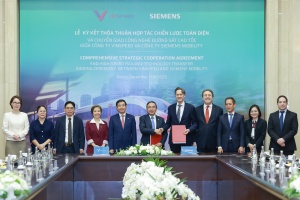
VinSpeed ​​High-Speed ​​Railway Investment and Development JSC (a member of Vietnam’s leading conglomerate Vingroup) and Siemens Mobility signed a deal on December 17 in Hanoi, launching a broad cooperation for high-speed rail in Vietnam.

GELEX is the first enterprise to receive an outlook upgrade from VIS Rating in the 2025 rating cycle, issued on January 6, and among the rare cases to achieve such an improvement within less than one year. This reflects the group’s above-average pace of improvement in financial quality and operating performance, at a time when credit assessment standards are becoming increasingly stringent. The upgrade also recognises GELEX’s governance capability, adaptability, and potential for further rating improvement in the medium term.

GELEX’s credit rating outlook upgraded to 'Positive' by VIS Rating
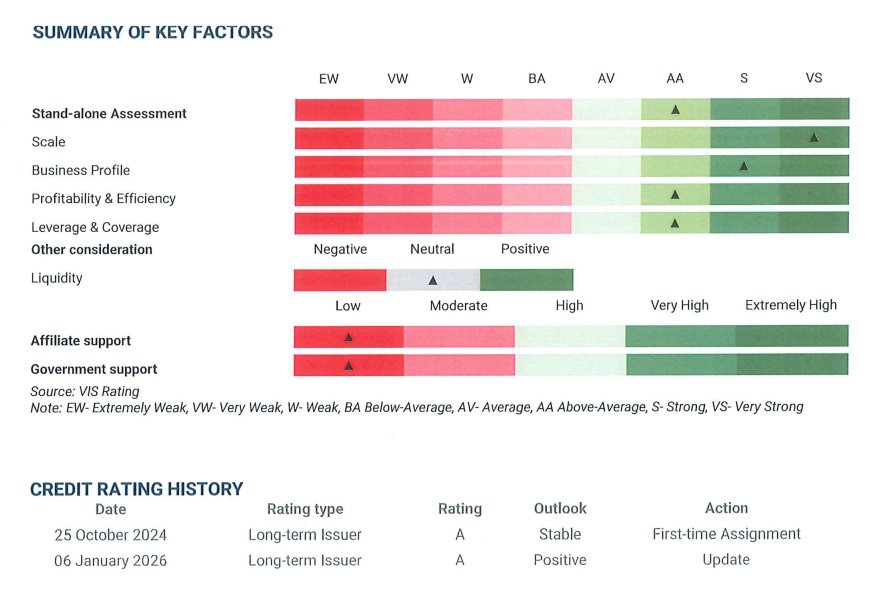
VIS Rating has upgraded GELEX’s long-term A rating outlook from “Stable” to “Positive”

The maintained A rating, together with the upgraded outlook, reflects expectations that GELEX’s revenue and operating cash flows will continue to strengthen over the next 12-18 months, supported by the solid fundamentals of its core businesses in electrical equipment and building materials.

From 2024 through the first nine months of 2025, GELEX recorded nearly 15 per cent revenue growth, significantly exceeding the average growth rate from 2021-2023. The group’s earnings before interest, taxes, depreciation, and amortisation (EBITDA) margin improved to approximately 23 per cent, indicating continued enhancements in operating efficiency and cost management at the consolidated level.

The electrical equipment segment remains the primary growth driver for GELEX. Through market expansion, new product development, and optimisation of its manufacturing value chain, the group has significantly increased its industry market share.

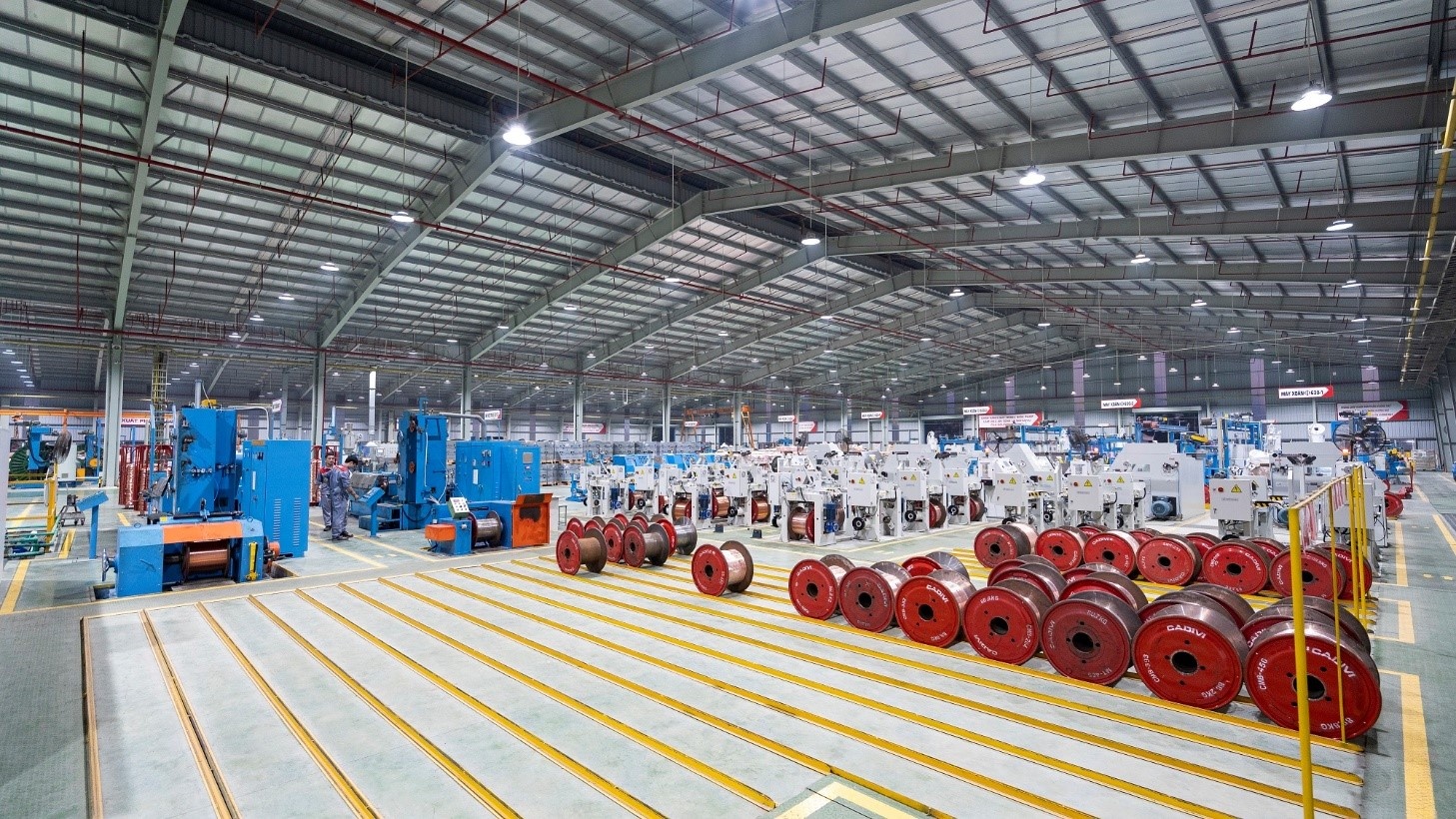
In particular, CADIVI, GELEX’s key subsidiary in power cables, expanded its presence in northern Vietnam from early 2024, contributing to a higher nationwide market share in the power cable segment. Supported by scale expansion and improved production efficiency, the EBITDA margin of the electrical equipment segment increased sharply from around 13 per cent to over 20 per cent in the first nine months of 2025.

GELEX’s credit rating outlook upgraded to 'Positive' by VIS Rating
The electrical equipment business continues to be the main contributor to GELEX’s revenue and profit growth

VIS Rating expects this segment to maintain stable growth momentum, supported by strong demand for electrical products amid robust public and private investment in power infrastructure nationwide.

For GELEX Infrastructure, profitability in the building materials segment is expected to improve, driven by the recovery of the real estate market, easing competition in the construction glass segment following Vietnam’s initiation of anti-dumping investigations on certain imported products in July 2025, and the restructuring of sales channels at several subsidiaries.

The utilities segment, with EBITDA margins exceeding 70 per cent, is forecast to further strengthen the group’s overall growth following the completion of a plan to double water treatment capacity in the first quarter of 2026.

Strong demand for industrial infrastructure is expected to support leasing activities and cash flows in the industrial real estate segment. GELEX Infrastructure plans to commence sales of a new residential real estate project in Haiphong, developed in cooperation with Frasers Property (Singapore), including both low-rise and high-rise components, in Q1.

GELEX subsidiaries also plan to expand residential land banks and develop additional new projects. From 2026-2027, GELEX is expected to achieve average annual revenue growth of approximately 14 per cent, while maintaining an EBITDA margin of around 20 per cent.

GELEX’s credit rating outlook upgraded to 'Positive' by VIS Rating
Artist’s impression of the ANmaison project in Haiphong

VIS Rating notes that GELEX’s profitability and operating cash flow (CFO) remain strong, providing a solid foundation for maintaining stable financial safety indicators. Specifically, the EBIT-to-interest coverage ratio stands at approximately 4.5-5.0 times, while the CFO-to-debt ratio has been maintained at 15-20 per cent.

These metrics indicate that GELEX has adequate financial headroom to implement its medium- and long-term investment plans, while maintaining effective control over leverage and liquidity risks amid ongoing volatility in the financial environment.

According to VIS Rating, GELEX’s credit rating could be upgraded in the medium term if the group continues to sustain EBITDA margins above 20 per cent, maintains a CFO-to-debt ratio above 20 per cent, and adheres to a prudent investment strategy with limited reliance on excessive borrowing.

Conversely, overly rapid investment expansion or delays in the implementation of key projects could place pressure on cash flows and liquidity, potentially affecting the group’s rating outlook in the future.

The affirmation of GELEX’s A credit rating and the upgrade of its outlook to “Positive” provide clear evidence of the group’s credit strength, financial governance capability, and sustainable business foundation. This result not only reinforces the confidence of investors and credit institutions, but also gives GELEX a significant advantage in accessing long-term capital at more competitive costs, supporting the realisation of its sustainable growth strategy.

VIS Rating is an independent credit rating agency in Vietnam, licensed by the Ministry of Finance since September 2023, established through cooperation with Moody’s and other partners under a Vietnam Bond Market Association initiative. VIS Rating provides credit risk and financial capacity assessments for domestic enterprises.

GELEX Infrastructure secures $40 million SACE Push loan for facility GELEX Infrastructure secures $40 million SACE Push loan for facility

HSBC and the Italian Export Credit Agency have agreed a loan of $40 million for GELEX Infrastructure JSC.

GELEX completes international financing transaction worth $79 million GELEX completes international financing transaction worth $79 million

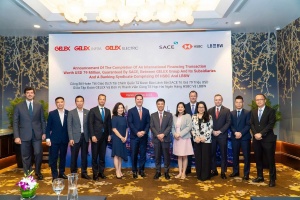
GELEX Group announced the completion of a loan facility guaranteed by the Italian Export Credit Agency (SACE) with a total value of $79 million on May 29.

FPT and GELEX sign deal to develop blockchain tech for global markets FPT and GELEX sign deal to develop blockchain tech for global markets

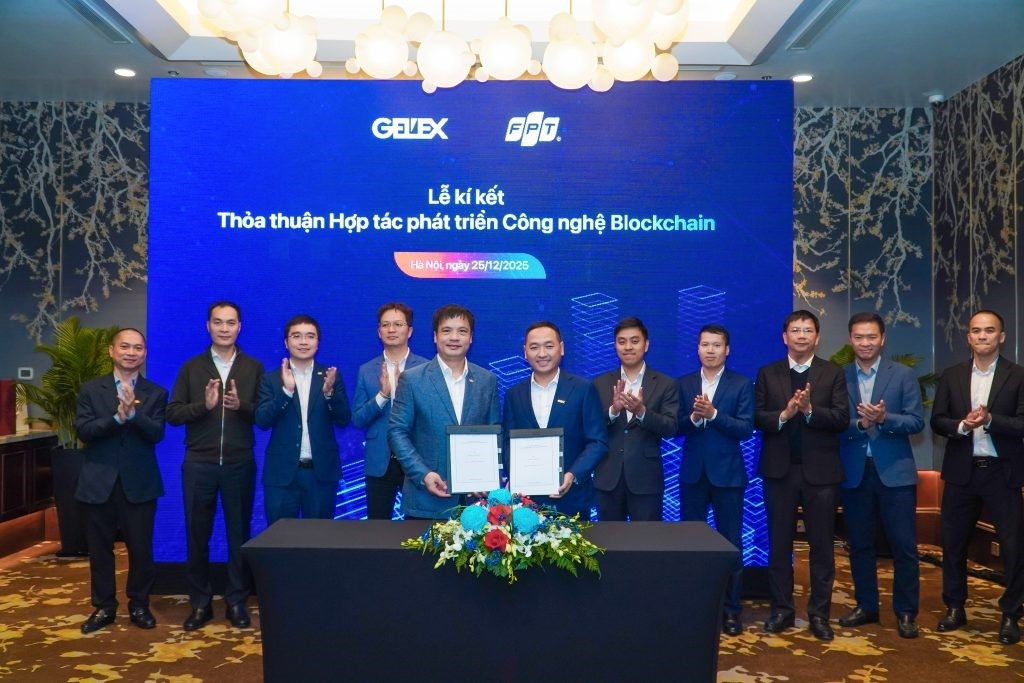
FPT Corporation and GELEX Group signed an agreement on the development of blockchain technology in Hanoi on December 25.

Sustainability a core value for DKSH’s vision
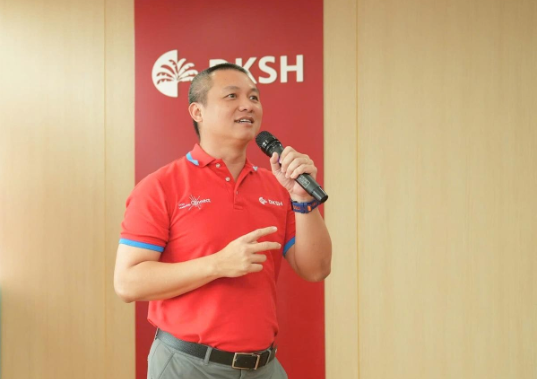
Kim Le Huy, head of Country Leadership, DKSH Vietnam

Our sustainability strategy is developed collaboratively. All business units and relevant functions work together to identify priorities and translate them into actionable initiatives that are implemented across our organisation. This collective approach ensures alignment, ownership, and measurable progress towards our objectives

Besides being guided by the purpose of enriching people’s lives, our ambitions will enable our people to flourish, make our value chains more sustainable, help achieve net-zero emissions, and make a positive local impact.

At the group level, we ensure consistency through robust governance, transparent monitoring, and comprehensive global reporting frameworks. At the same time, local initiatives follow global directions while being tailored to meet market-specific needs. This dual approach, global consistency with local relevance, has proven for the governance and implementation of sustainability activities.

As a bridge-builder in the supply chain connecting international companies with local markets, we integrate sustainability into our operations through practical solutions. For example, in Vietnam we implement ISO14001 for environmental management and ISO45001 for occupational health and safety.

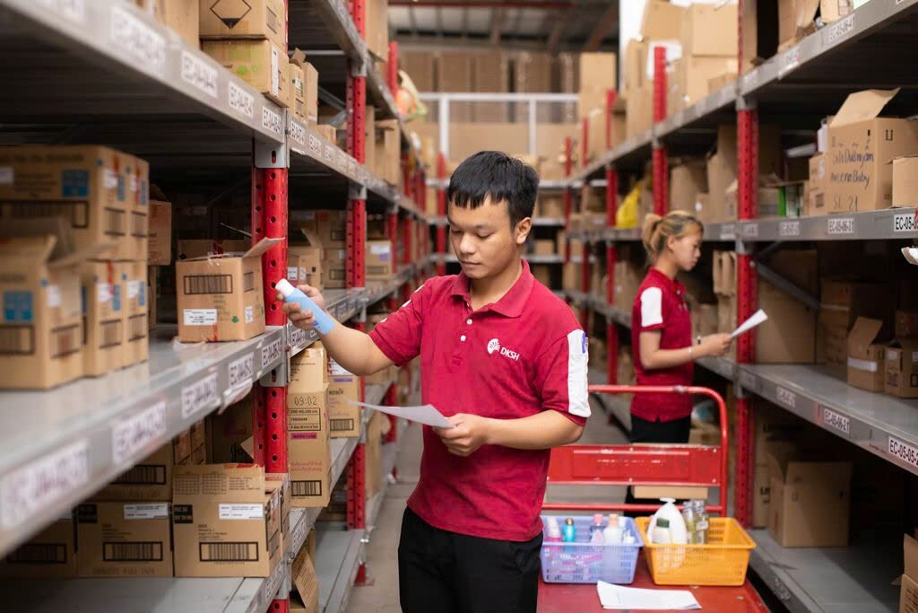
In our delivery operations, we have replaced bubble wrap with shredded cartons made from reused boxes, and we are exploring reusable, net-based pallet wrapping solutions to enhance durability and performance. This group-wide initiatives exemplify how small, thoughtful actions can generate significant impact, aligning closely with our corporate sustainability strategy.

Innovation is the engine that turns sustainability commitments into measurable outcomes. We consistently rethink how services are delivered and how value is created, ensuring that our business model aligns with circular economy principles, digital transformation, and social responsibility.

Sustainability a core value for DKSH’s vision

For instance, in response to growing customer demands and our commitment to environmental stewardship, our Business Unit Performance Materials have set the target of continuously expanding our product portfolio towards sustainability. We aim to significantly increase the share of materials that contribute to sustainable development in our portfolio by 2030.

For that, Business Unit Performance Materials uses a comprehensive framework that considers multiple factors, including natural-based ingredients, upcycled or recycled materials, biodegradability, circularity, sustainably sourced ingredients such as RSPO-certified palm oil, and ingredients with certified eco-labels.

As supply chain management forms the backbone of our services, we develop solutions in logistics and operations to minimise our environmental footprint. This includes optimising transportation routes, improving energy efficiency, and transitioning to renewable energy sources.

Reflected in one of our projects, Minimum Order Values aim to reduce the number of trips needed for the same order locations by consolidating multiple orders into single truck deliveries. In 2024, our Business Unit Consumer Goods implemented the project in Australia, New Zealand, Singapore, and Vietnam.

By automating transactions and digitalising systems, we enhance efficiency and accuracy while reducing environmental impact. Examples include the mCollector credit collection tool and the mPay cash-to-digital payment tool, which streamline credit and payment processes. Digital practices are also applied across daily sales operations, including ordering and billing, further reducing paper used on site.

Our strategy comprises the aforementioned objectives. To track progress, we use scorecards that include KPIs at the group level. Specific targets have been set through 2030, covering all objectives, providing clear milestones for accountability. We underpin our ambitions with transparency and credibility. DKSH annually published its sustainability reports in accordance with GRI standards, disclosed our carbon footprint, and submitted decarbonisation targets to the Science-Based Targets initiative.

Sustainability at DKSH also extends to social impact, advancing education, health, gender equality, and fostering a diverse and inclusive workplace. In 2022, DKSH joined the UN Global Compact, committing to responsible business conduct in line with its 10 principles and actively contributing to the Sustainable Development Goals. Many of the goals are reflected in our material topics, and the priorities reflect our belief that people and communities are critical drivers of long-term progress.

FPT and GELEX sign deal to develop blockchain tech for global markets
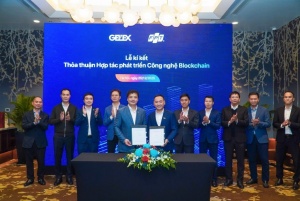
FPT and GELEX representatives with the blockchain technology agreement

FPT and GELEX will jointly research, develop, and implement blockchain-related business activities with the ambition to scale up operations and expand into international markets.

Under the agreement, the two groups will focus cooperation on four main pillars in blockchain: the development of digital asset products and services; research and development of blockchain-based products, services, and application solutions; the application of blockchain products, services, solutions, and cryptoassets within both groups’ ecosystems to enhance operational efficiency and long-term value; and joint expansion of the blockchain ecosystem to international strategic partners.

The scope of cooperation is designed to be flexible, aligned with the capabilities and development orientations of each party as well as legal regulations in each country and territory, thereby laying the foundation for blockchain platforms with global competitive potential.

FPT is Vietnam’s leading technology group with a high-quality global workforce and extensive experience implementing projects in major markets. FPT has pioneered research, development, and mastery of core technologies, including blockchain, serving domestic and international clients across multiple sectors.

Meanwhile, GELEX, a leading Vietnamese investment group with an ecosystem spanning infrastructure, industrial manufacturing, and financial investment, approaches blockchain as a new technology as well as a future operational platform. GELEX has identified blockchain as a “major challenge”, where technology must be closely linked to practical value, scalability, and long-term operational efficiency.

FPT and Aon join forces with enterprises to build strong digital shield FPT and Aon join forces with enterprises to build strong digital shield

In today’s digital age, cyberattacks are becoming an increasingly serious threat to businesses and organisations worldwide.

Abbott, FPT Long Chau partner to improve Vietnam’s healthcare sector Abbott, FPT Long Chau partner to improve Vietnam’s healthcare sector

Abbott has teamed up with FPT Long Chau, a leading pharmaceutical retailer, to fight non-communicable diseases.

Phu Tai Group and FPT accelerate digital governance with SAP cloud ERP Phu Tai Group and FPT accelerate digital governance with SAP cloud ERP

Phu Tai JSC in collaboration with FPT Corporation announced a new digital transformation strategy on December 2 and kicked off the SAP S/4HANA Cloud Public Edition deployment across seven key subsidiaries in the stone and wood sectors.

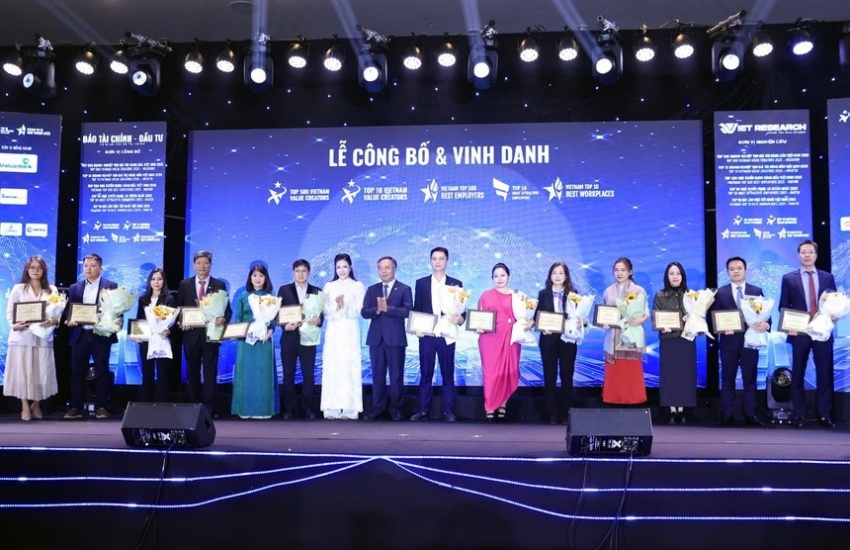
This marks the fourth consecutive year that Viet Research and VIR have jointly conducted and released two core ranking groups: value-creating enterprises and employers.

The value-creating enterprise rankings comprise the Top 500 Value-Creating Enterprises in Vietnam (VALUE500) and the Top 10 Value-Creating Enterprises by Industry 2025 (VALUE10), while the employer rankings include the Top 500 Employers in Vietnam (VBE500), the Top 50 Most Attractive Employers 2025 (MAE50), and the Top 10 Best Places to Work in Vietnam 2025 across key economic sectors (VBW10). The rankings cover most major sectors of the economy.

Vietnam's top 500 value-creating enterprises announced

VBE500 and VBW10 recognise enterprises with strong performance in building professional and positive working environments, improving employee experience and supporting workforce development. MAE50 honours enterprises that have maintained a position in the VBE500 for three consecutive years, reflecting sustained credibility and appeal to domestic and international talent.

These annual studies aim to recognise enterprises that have made notable contributions to improving human resource governance, organisational culture, employee welfare and workplace experience.

VALUE500 and VALUE10 recognise enterprises that demonstrate leadership in value creation, innovation and sustainable development, generating long-term value for businesses, shareholders, employees and society. As global economic uncertainty persists, supply chains continue to restructure and environmental, social, and governance (ESG) standards become more demanding, value creation is increasingly viewed as a core capability supporting resilience, market expansion, capital mobilisation and talent development.

“2025 continues to record highly commendable efforts by the business community in creating value for both their enterprises and the wider economy,” Le Trong Minh, deputy editor-in-chief of VIR, said at the event. “Despite ongoing global volatility and domestic restructuring, many enterprises have delivered strong results in both the pace and quality of growth, reinforcing their position in domestic and international markets.”

Companies in the VALUE500 and VALUE10 are moving away from growth models reliant on traditional resources towards value creation driven by ESG and innovation. More than 90 per cent have improved or developed environmentally friendly products and services, nearly 64 per cent have integrated sustainability principles across operations, and 73 per cent have incorporated environmental and social factors into risk management during the 2022–2025 period.

Tran Thi Ngoc Ha, CEO of Viet Research, said the survey results show a clear shift in development thinking among Vietnamese enterprises.

“Results further highlight the central role of human capital in long-term value creation,” Ha said. “More than 70 per cent of enterprises have digitalised human resource management, while 85 per cent prioritise workers with skills in AI, data and automation, alongside continued investment in welfare, culture and flexible working models.”

Viet Research also introduced its latest report on value-creating enterprises, which outlines key trends shaping Vietnam’s labour market during a period of deep restructuring. The study points to a rapid shift in skills demand, with repetitive roles declining and demand rising for analytical, data, technology, compliance, risk management and ESG-related positions.

Competition for talent is intensifying, the report said, with enterprises placing greater emphasis on purpose, learning opportunities, career pathways, mental wellbeing and employee experience. Organisations with sustainable strategies, transparent governance, advanced technology adoption and a people-centred approach are seen as holding a clear advantage in talent attraction.

Within this context, the rankings serve as benchmarks for enterprises seeking to strengthen governance capacity and contribute to higher-quality economic growth.

As part of the ceremony, a seminar on creating and leading sustainable transformation in finance and human capital was held. Nguyen Viet Long, deputy managing director of Consulting at EY Vietnam, said two major forces will shape the future of finance and accounting towards 2030: AI-driven digital transformation and ESG-led sustainable development.

“AI is already widely applied, improving efficiency, reshaping workflows and allowing professionals to focus on higher-value tasks, while ESG is driving new roles in green finance and the integration of sustainability into traditional positions,” he said.

Dang Thuy Ha, Northern Region director and corporate strategy advisor at Talentnet, also highlighted the growing impact of GenAI on workforce management.

“Technologies, particularly GenAI, are redefining core job functions across most professions,” said Ha. “This shift requires enterprises to redesign their operating models and human resource strategies.”

Top 500 private firms responsible for 18.4 per cent of revenue Top 500 private firms responsible for 18.4 per cent of revenue

Vietnam’s top 500 private enterprises (VPE500), were responsible for 18.4 per cent of the nation’s domestic private sector revenue between 2019 and 2021, according to an August 30 report from the Institute for Development Strategy and the Department of Industrial and Construction Statistics, under the General Statistics Office.

Vietnam's 500 most profitable firms for 2023 unveiled Vietnam’s 500 most profitable firms for 2023 unveiled

The latest PROFIT500 rankings, released on September 8 in partnership with Vietnam Report and Vietnamnet, highlight the 500 most profitable companies in Vietnam for 2023, with industry titans like Vietnam Oil and Gas Group (PetroVietnam) and Samsung Electronics topping the chart.

70 Vietnamese firms among ASEAN's Top 500 70 Vietnamese firms among ASEAN’s Top 500

70 Vietnamese businesses have been listed on the first-ever Southeast Asia Fortune 500 list, which operate in various sectors of the economy, most notably banking, energy, services, and production.

This milestone marks the initial step towards the goal of exporting FPT-designed chips to the Asia-Pacific market over the next three years.

FPT exports first chip shipment to Japan
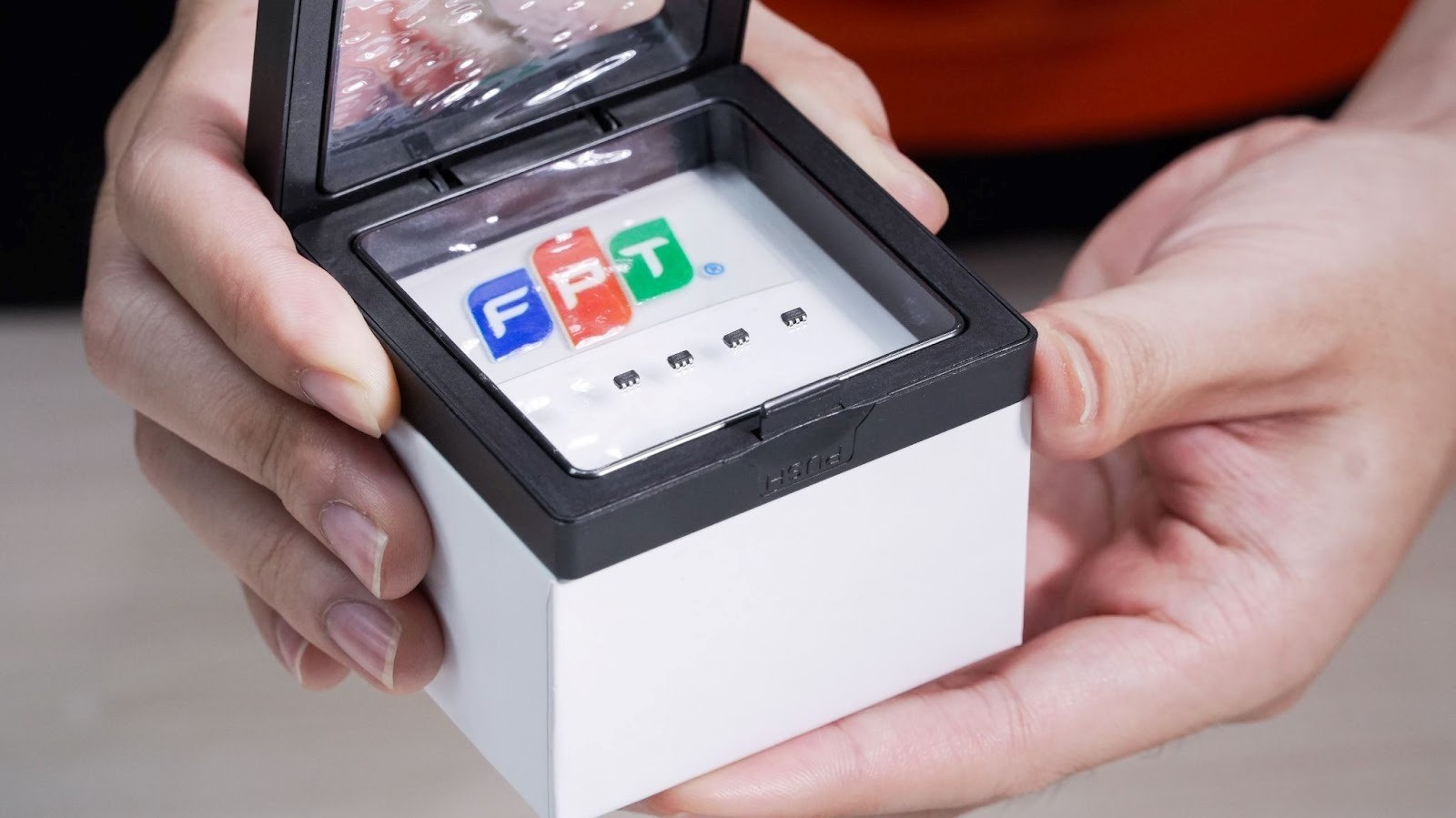
FPT has exported its first commercial chip shipment to a leading Japanese electronics company

It is also the first time a Vietnamese company has successfully introduced commercial semiconductor chips to the Japanese market, one of the world’s most demanding markets in terms of quality and reliability.

FPT is now developing a comprehensive power IC ecosystem, encompassing multiple product lines such as PMICs, LDOs, BUCK converters, LED drivers, and Power MOSFETs, with the goal of delivering stable power supply and low-energy consumption for electronic devices.

Among these, the power chips recently exported to Japan are specifically designed for high-performance multi-function printers (MFPs) used in office and enterprise environments.

Designed by FPT, these chips manage and stabilise internal power supply, protect components from voltage and current fluctuations, and ensure reliable operation under high-load conditions.

This shipment represents a concrete outcome of the strategic cooperation agreement signed between FPT and Restar, on the sidelines of the Vietnam–Japan High-Tech, Green Transformation, and Semiconductor Cooperation Forum, witnessed by leaders of both governments.

Under the agreement, Restar aims to distribute 10 million chips designed and manufactured by FPT across the Asia-Pacific region within three years.

FPT engineers have continuously refined the chip design and optimised parameters to ensure the chips passed stringent global testing processes.

The products underwent comprehensive electrical characterisation, stability, noise and load response evaluations, JEDEC reliability testing, real-device validation for compatibility, as well as safety tests for over-voltage, over-current, and thermal stability in line with Japanese industrial-grade standards.

In addition, the chips comply with environmentally friendly material requirements and manufacturing processes, and chemical substance information is disclosed using the chemSHERPA tool, a standardised chemical substance management and information-sharing tool widely used in Japan, ensuring material transparency and alignment with the green supply chain requirements.

Following this first shipment, FPT and Restar will continue to collaborate on subsequent deliveries with increasing volumes to support Restar’s expanding market demand.

The two companies will also jointly research and develop new semiconductor products tailored to the Japanese market, including next-generation power management chips, controller ICs, and integrated circuits for office equipment, imaging devices, and consumer electronics.

Beyond product development, the partnership includes engineer exchange programmes, joint research and development projects to enhance design capabilities, and the establishment of a coordinated outsourced semiconductor assembly and test service model, covering packaging and testing.

By combining FPT’s chip design expertise with Restar’s supply chain strength and market experience, the collaboration is expected to create strong synergies and enable sustainable, efficient growth in the semiconductor business for both parties.

FPT exports first chip shipment to Japan
Following the first shipment, FPT and Restar will continue to collaborate on subsequent chip deliveries to meet the growing demand of Japanese customers

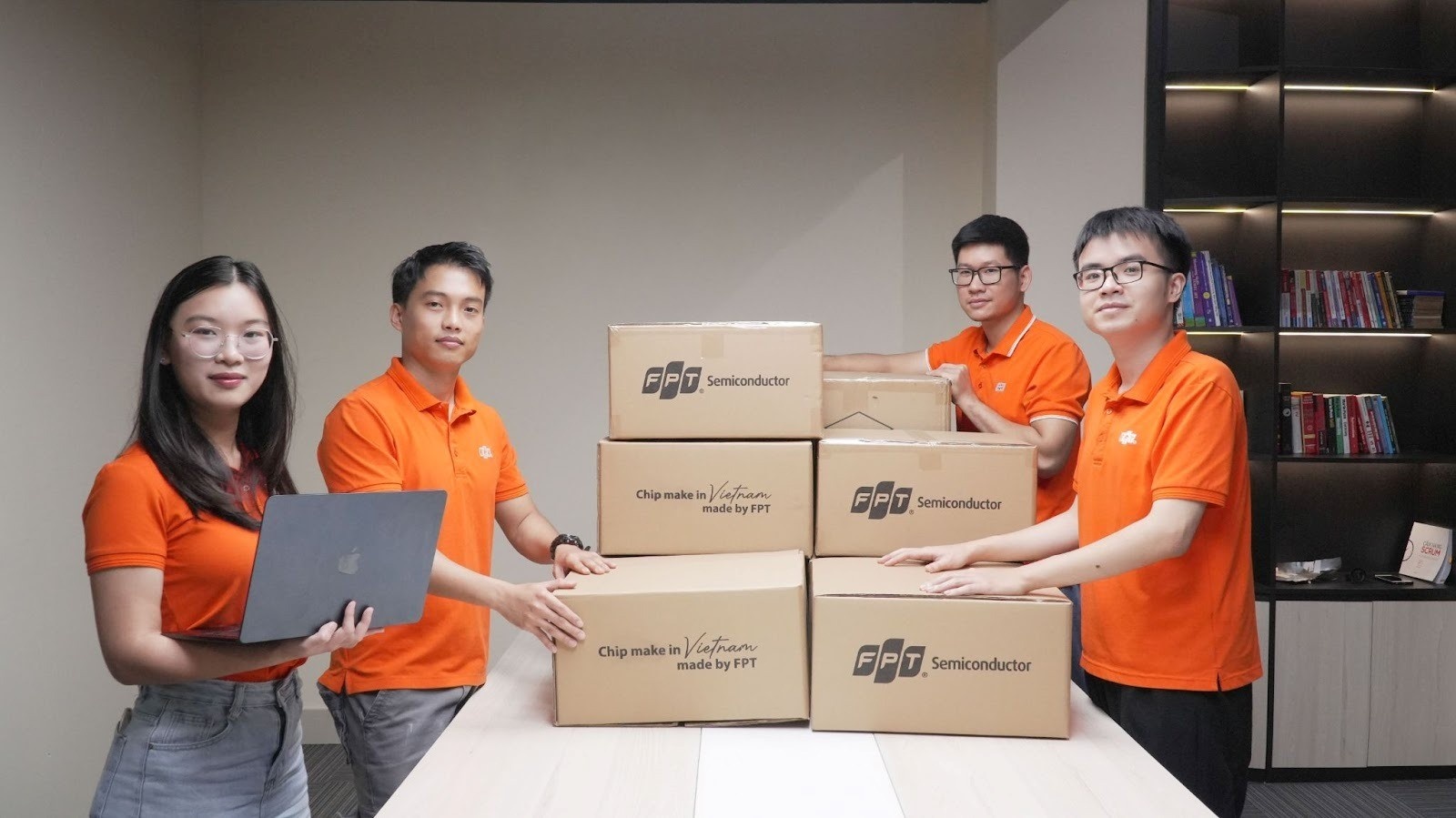
Commenting on this milestone, Tran Dang Hoa, chairman of FPT Semiconductor, FPT Corporation, said, “Exporting our first commercial chip shipment to Japan is not only a significant milestone for FPT, but also a strong affirmation of Vietnamese capabilities in core technologies.

We expect that, starting from this initial shipment, Vietnamese-designed chips will increasingly be used in consumer electronics, office equipment, the Internet of Things devices, and industrial applications.

We believe this achievement will help position Vietnam as an emerging destination on the global semiconductor map and open new opportunities for Vietnamese companies to participate more deeply in the global high-tech value chain.”

This shipment comes at a time when the global power ICs market is projected to reach approximately $59 billion by 2030, while the Japanese market alone is expected to approach $3 billion over the same period.

Demand for power chips continues to grow across multiple sectors, including consumer electronics, industrial equipment, automotive, and high-tech applications.

From a global perspective, recent disruptions in the semiconductor supply chain, most notably regulatory and geopolitical interventions affecting Nexperia’s operations, have underscored the growing need for supply diversification and the search for reliable alternative sources.

In this context, FPT is introducing a range of protection devices such as ESD and Zener diodes, commonly referred to as discrete power devices, with the expectation of serving as a complementary or alternative supply option in the Japanese, Korean, and Taiwanese markets.

FPT boosts presence in South Korea FPT boosts presence in South Korea

Vietnamese technology group FPT is strengthening its footprint in the South Korean market to drive AI-powered low-code adoption globally.

Phu Tai Group and FPT accelerate digital governance with SAP cloud ERP Phu Tai Group and FPT accelerate digital governance with SAP cloud ERP

Phu Tai JSC in collaboration with FPT Corporation announced a new digital transformation strategy on December 2 and kicked off the SAP S/4HANA Cloud Public Edition deployment across seven key subsidiaries in the stone and wood sectors.

FPT and GELEX sign deal to develop blockchain tech for global markets FPT and GELEX sign deal to develop blockchain tech for global markets

FPT Corporation and GELEX Group signed an agreement on the development of blockchain technology in Hanoi on December 25.