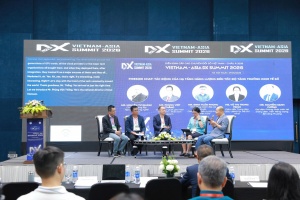
GStar Summit 2026: AI & Humanity took place on May 29, co-organised by the New Turing Institute (NTI) and Pacific Gateway Partners. The event brought together global AI leaders and experts to share innovations, practical applications, and talent development initiatives.
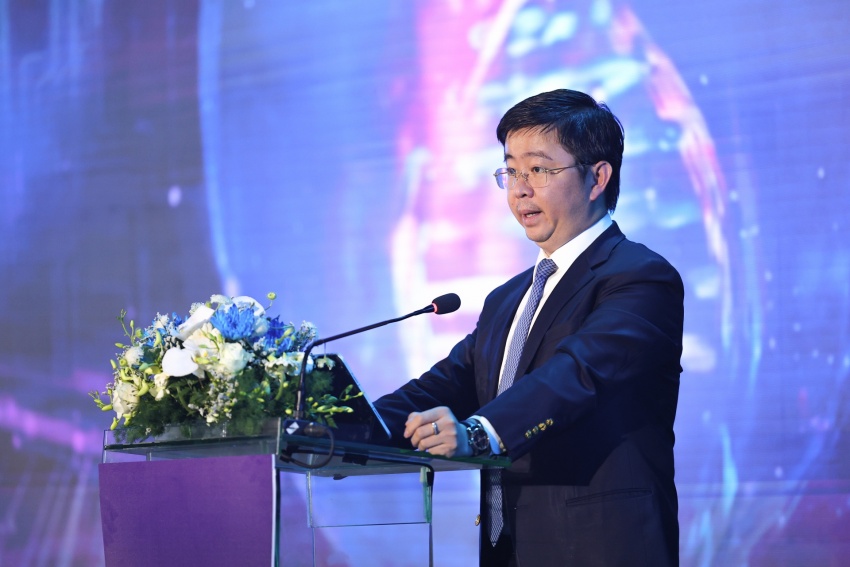
GStar Summit 2026 explores human-centric AI to boost productivity
Bui Hoang Phuong, Deputy Minister of Science and Technology

Speaking at the forum, Bui Hoang Phuong, Deputy Minister of Science and Technology, said that Vietnam identifies sci-tech, innovation, and digital transformation as key drivers to enhance labour productivity, improve growth quality, and strengthen national competitiveness to achieve rapid and sustainable development.

“In this process, digital technologies, particularly AI and big data, have truly become remarkable breakthroughs and play an especially important role. AI has been identified as one of the strategic technologies that Vietnam must master and promote for widespread application across all aspects of socioeconomic life,” he said.

To effectively advance AI, according to Phuong, Vietnam has identified several core priorities, including research and development aimed at achieving technological self-reliance; promoting AI adoption with the key objective of transforming mindsets and improving AI literacy among citizens, businesses, and organisations; strengthening governance and addressing social impacts with a human-centric approach while supporting workforce reskilling and career transition training; and enhancing international cooperation, research sharing, and the development of a common global AI ecosystem.

Thang Luong, principal scientist and director of Research at Google DeepMind and co-founder of NTI, shared his long-standing concerns over the past decade regarding the development of a high-quality AI workforce for Vietnam.

“My biggest aspiration is that by 2030, Vietnam will have 100,000 highly skilled AI engineers. This workforce will become the driving force enabling Vietnam to deploy any technological solution in the world and emerge as a deeptech hub,” Luong told VIR.

“Having a large pool of talented people will help create a peer ecosystem, encouraging overseas Vietnamese talent to return and contribute to the country,” he added.

However, Luong explained that talent alone would not be sufficient to achieve this goal, noting that Vietnam must also prepare other critical foundations, including robust computing infrastructure and a vibrant startup environment.

Modern AI, particularly deep learning, requires enormous processing power from GPUs such as those developed by Nvidia or specialised chips like Tensor Processing Units, which are being utilised by Google. At the same time, Vietnam needs to foster a dynamic startup ecosystem inspired by Silicon Valley, capable of attracting international experts and investors to help build the country’s AI ecosystem.

To achieve the target of 100,000 AI engineers, Luong proposed several new approaches, including a ‘train-the-trainers’ model, under which trainers would be equipped with technological expertise along with the ability to inspire learners and foster human values, such as the joy of helping others.

Secondly, he highlighted the need to train lecturers to utilise AI in creating teaching materials and personalising education. AI can automatically adapt content by providing simpler explanations for beginners or more advanced knowledge for high-performing learners.

Finally, Luong stressed the importance of stronger collaboration from the business community, noting that partnerships with major corporations would help accelerate the realisation of shared goals.

Wendy Nguyen, co-founder and partner of Pacific Gateway Partners, shared insights on national strategy, economic development, and the integration of technology with human capabilities.

Nguyen noted that while Vietnam possesses enormous potential and resources, success will depend on two key factors: a clear national strategy and a strong execution team.

“Vietnam needs top-tier strategic experts to map out a clear roadmap and determine where to begin, rather than spreading resources too thinly across too many areas at once. At the same time, hardcore executors – a combination of strategic thinkers, decisive operators, and technology specialists – will help elevate Vietnam to a new level,” she said.

Nguyen also proposed a ‘special task force’ model, suggesting that instead of simply following the direction of major global players, Vietnam should focus on building small but highly capable teams, similar to how a group of just 50 people at Google was able to launch new and innovative products.

Pacific Gateway Partners aims to strengthen Vietnam’s global connectivity through initiatives such as building alliances among the United States, Japan, South Korea, Taiwan, and Vietnam to leverage shared resources and mutual support. The firm is also seeking to capture ‘early-win’ opportunities by identifying sectors where other countries face supply shortages and positioning Vietnam as a provider, such as in bio-manufacturing to help reduce the dependence of the US, Japan, and South Korea on alternative supply sources.

Technology transfer is another critical objective, according to Nguyen. “Financial investment alone is not enough. Vietnam also needs the ‘fishing rod’, meaning the ability to master technology so that it does not become dependent on or controlled by investors,” she said.

GStar Summit 2026 explores human-centric AI to boost productivity

As Asia accelerates its AI capabilities, supported by a young and dynamic workforce alongside rising cross-border investment flows, GStar 2026 seeked to strengthen collaboration between businesses and academia across the region.

The event featured speakers and distinguished guests from leading technology corporations, including Google, FPT, Qualcomm, Boryung, and MoMo; prestigious academic institutions such as Carnegie Mellon University (CMU) and Mohamed bin Zayed University of Artificial Intelligence (MBZUAI); as well as pioneering startups including LIFE AI, Calif, Tynapse, and Kotoba Technologies, alongside scientists, innovators, policymakers, and investors.

Beyond academic discussions, the forum focused on advancing practical AI applications and talent development for Vietnam and the Asia-Pacific region more broadly, serving as a strategic bridge connecting businesses, innovators, and investors. The event also featured live demonstrations of notable AI applications in healthcare, fintech, and generative AI.

GStar 2026 continues the series of annual AI events organised by New Turing Institute since 2018 to connect Vietnam’s AI community with global experts. Notable examples include GenAI 2024, which attracted more than 800 participants and featured over 17 prominent speakers, including Jeff Dean, chief scientist of Google, and AI Day 2023, which drew more than 1,300 attendees and over 27 renowned speakers, including Sam Altman, CEO of OpenAI, and Christopher Manning, director of the Artificial Intelligence Laboratory at Stanford University.

Vietnam maintains stable AI outlook in 2026 survey Vietnam maintains stable AI outlook in 2026 survey

Vietnam’s AI adoption and public sentiment remained broadly stable in 2026, with the country scoring 58.4 points in the latest WIN World AI Index, compared to 58.5 points a year earlier.

Vietnam’s digital growth bet Vietnam’s digital growth bet

As Vietnam races towards an ambitious double-digit growth target, policymakers and tech leaders are pushing to turn digital transformation, AI and regulatory sandbox reforms from long-term strategy into immediate economic momentum.

OECD projects GDP growth of 6.5 per cent for Vietnam this year

In a report released on June 3, the Organisation for Economic Co-operation and Development (OECD) noted that GDP grew by 8 per cent in 2025 and remained strong in the first quarter of 2026, with GDP increasing by 7.8 per cent on-year. Private consumption remained resilient, underpinned by wage and employment increases, while public investment was supported by progress in infrastructure projects.

The labour market is tight with a historically low unemployment rate of 2.2 per cent, and the labour force participation rate increased to 68.7 per cent towards the end of 2025, followed by a slight decline to 68.3 per cent in the first quarter of 2026. Headline and core inflation both rose in April, to 5.5 per cent and 4.7 per cent, respectively. Fuel and transport prices increased by 11.1 per cent on-year.

Exports remained robust throughout 2025 and maintained their momentum in early 2026. Despite the imposition of US tariffs, goods exports remained strong against the backdrop of surging demand for semiconductor-related goods. Services exports have also remained strong, particularly in the tourism sector.

Foreign direct investment (FDI), an important driver of growth for Vietnam, has continued its steady increase. With more than 80 per cent of Vietnam’s oil imports coming from the Middle East, Vietnam is strongly exposed to the evolving conflict in the Middle East.

Fiscal policy will continue to support growth through increased public investment, pursuing an ambitious growth target of 10 per cent average growth over 2026 to 2030. The fiscal deficit of the general government is expected to widen to 4.8 per cent of GDP this year, mainly due to tax cuts in response to higher energy prices. The current energy-related tax cuts include setting import tariffs and the environmental protection tax on petroleum products to zero until the end of June.

Considering that public debt, at 31.5 per cent of GDP in 2025, is well below the 60 per cent ceiling, Vietnam has fiscal space to address emerging medium-term spending pressures and short-term spending needs. The monetary policy stance, defined through quantitative credit targets, has been accommodative since June 2023 and is expected to remain supportive during 2026 and 2027.

“GDP growth is projected to slow to 6.5 per cent in 2026 and 6.2 per cent in 2027 amid higher energy prices and measures to limit energy use. Private consumption will remain buoyant due to strong wages and employment, while the higher energy-related costs and the planned VAT rate increase at the beginning of 2027 will likely dampen private consumption temporarily and keep inflation elevated,” the OECD said.

Investment growth will be supported by public-sector-led projects under the new five-year plan. However, if project implementation falls short of schedule, the growth effect may turn out lower or materialise later.

Exports are expected to lose momentum in 2026 as possible supply disruptions, increased transport costs and the phase-out of front-loaded foreign demand, including on semiconductor-related products, take their toll. Service exports, particularly those related to tourism, are expected to remain robust.

As a small trade-dependent economy and a net importer of oil and gas from the Middle East, Vietnam is particularly vulnerable to higher energy prices and energy shortages, including of refined fuels. Additional downside risks stem from trade policy uncertainty and a possible increase in non-performing loans.

According to the OECD, the central bank should closely monitor inflation risks from rising energy prices and related second-round effects and stand ready to tighten monetary policy if needed. Moving towards a price-based monetary policy would improve macroeconomic resilience and facilitate stronger competition in financial markets, potentially improving the allocation of capital and raising productivity.

Regulatory reforms, such as opening up services markets to competition and FDI, hold significant potential to boost productivity, in addition to reducing the weight of state-owned enterprises and levelling the playing field with private firms. Informality affects around two-thirds of employees, limiting resilience and holding back productivity growth. Stronger incentives for formal job creation could result from efforts to reduce the labour tax wedge for low-income earners while enhancing the role of non-contributory social protection benefits.

Investing in climate-change adaptation measures will be key to enhance climate resilience against floods, typhoons and rising sea levels. Tax cuts on fuels should remain time-bound, while stronger efforts to accelerate the rollout of renewable energy sources would help support both energy security and emission reductions.

OECD meeting closes with key input from Vietnam's Ministry of Finance OECD meeting closes with key input from Vietnam’s Ministry of Finance

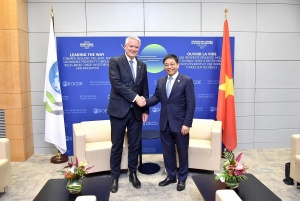
The 2025 Organisation for Economic Co-operation and Development (OECD) Ministerial Council Meeting concluded after two days of deliberations in Paris on June 4, with the Vietnamese Ministry of Finance delegation making significant contributions to the event’s overall success.

Vietnam Economic Report 2025: OECD insights on sustainable growth strategy Vietnam Economic Report 2025: OECD insights on sustainable growth strategy

The Ministry of Foreign Affairs, in coordination with the Ministry of Finance and the Organisation for Economic Cooperation and Development (OECD), hosted a seminar to launch the Vietnam Economic Report 2025 on June 20 in Hanoi.

OECD projects moderation in Vietnam’s GDP growth over next two years OECD projects moderation in Vietnam’s GDP growth over next two years

Vietnam’s economic growth is expected to slow in the coming years, with real GDP projected at 6.2 per cent in 2026 and 5.8 per cent in 2027, the OECD has said.

Since 2018, the clinic has completed more than 4,000 implant cases and treated hundreds of international patients and overseas Vietnamese from markets including Australia, the United States, Germany, the Netherlands, New Zealand, Taiwan, Korea, Japan, Canada, and France.

Why international patients trust Ho Chi Minh City dental clinics for implants

Most international patients initially arrive uncertain about receiving treatment abroad, but many leave with a different perspective, reflecting the growing role of Ho Chi Minh City in dental tourism for implant treatment.

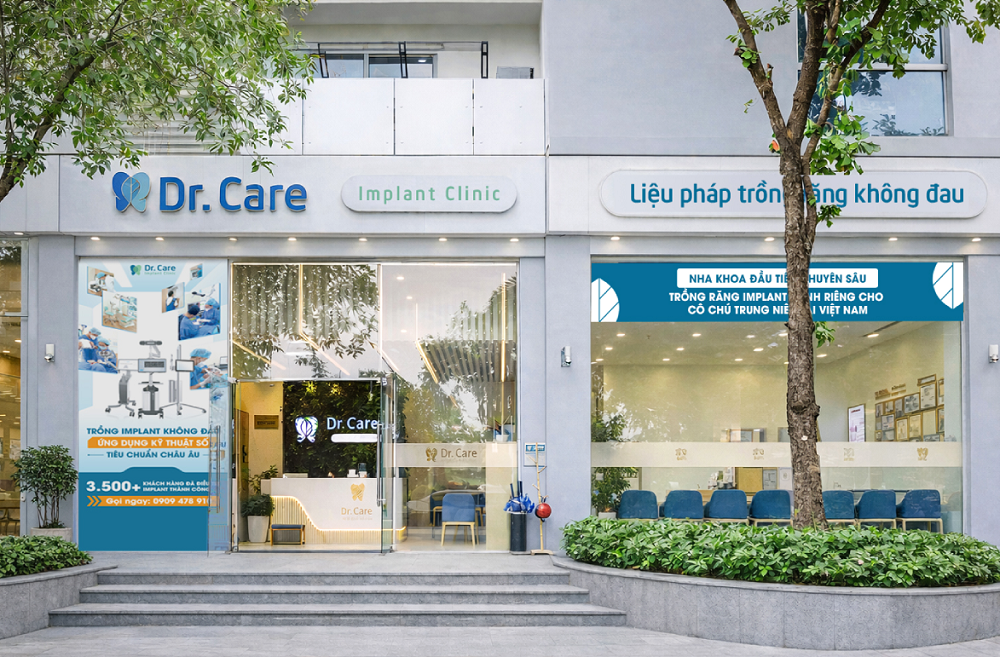
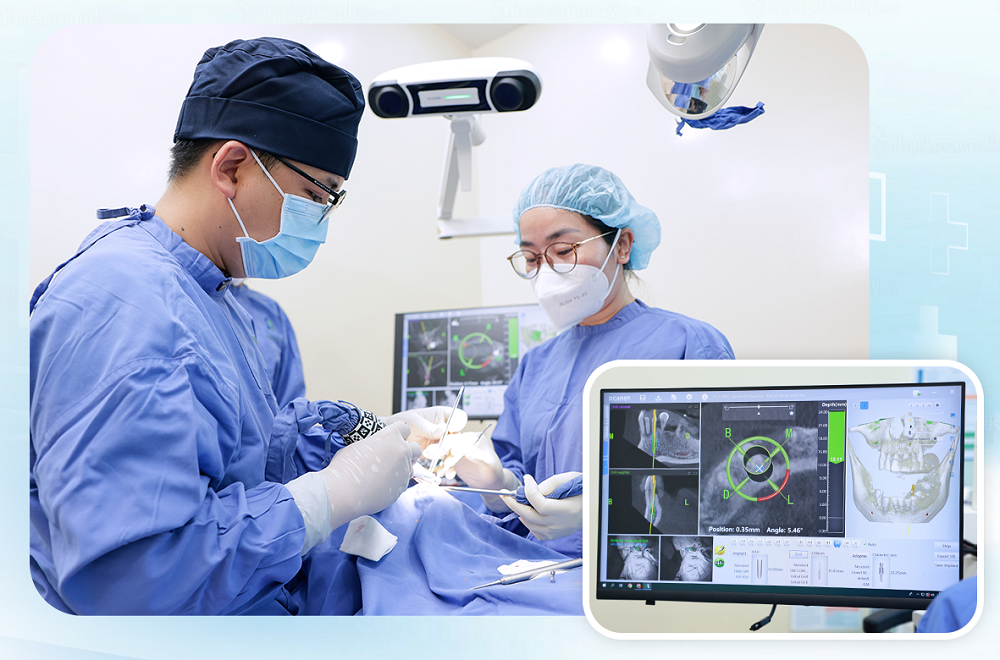
Most dental clinics are general practices that also perform implants. Dr. Care operates differently by concentrating entirely on implant dentistry, particularly for patients with long-term tooth loss, severe bone resorption, systemic health conditions, or failed implant histories.

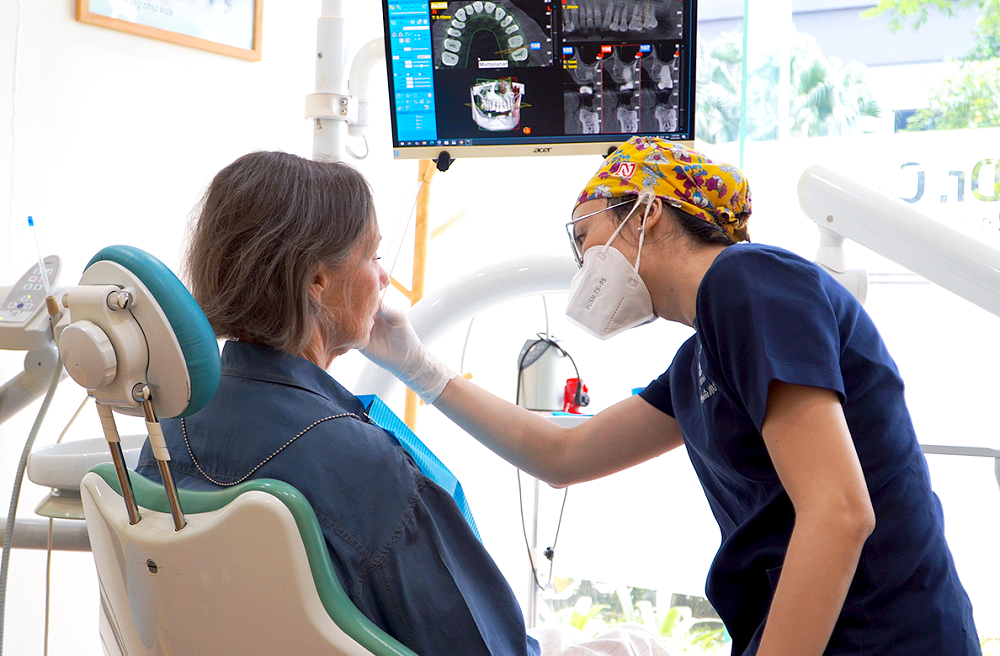
At Dr. Care, the clinic’s infrastructure, diagnostic systems, and clinical training are all dedicated to implant treatment, where complex cases are treated as the standard rather than the exception.

This philosophy is reflected in the clinic’s conservative treatment approach. In one case involving an Australian patient with multiple missing upper teeth, extensive bone loss, and deteriorating remaining teeth, Dr. Care preserved every tooth that could still be maintained instead of removing the full arch.

The patient received six implants with an FP1-type prosthesis, a technically demanding restoration designed to replicate the emergence of natural teeth from healthy gum tissue.

The clinic is led by Dr. Doan Vu, master of science, specialist level II – medical director and president of the Ho Chi Minh City Chapter of the International Team for Implantology Club. His research on peri-implant soft-tissue augmentation has been published in the international peer-reviewed journal Medicine and in the Vietnam Medical Journal.

His colleague, Dr. Vo Huyen Bao Tran, MSc – full-arch implant specialist, Dr. Care Implant Clinic and APAC representative, Straumann inspirED Global Full-Arch Educator Summit, Basel, Switzerland, where leading implant educators discussed digital full-arch rehabilitation protocols.

Why international patients trust Ho Chi Minh City dental clinics for implants

Many international patients arrive at Dr. Care with expectations shaped by clinics in their home countries. In Australia and several Western countries, implant patients often leave surgery without temporary teeth and wait three to six months during osseointegration before receiving restorations.

At Dr. Care, temporary full-arch prostheses are produced using digital scanning technology and are typically fitted on the day of surgery or within two to six days afterward.

Another point frequently mentioned by patients is the clinic’s English-language consultation process. Patients report that explanations about treatment plans, costs, timelines, and post-operative care are detailed and clear enough to help them make informed decisions. Clinical restraint is also a key reason many patients choose the clinic.

At Dr. Care Implant Clinic, full-arch All-on-4 restoration ranges from $4,360 to $5,960, while All-on-6 treatment ranges from $6,320 to $8,720 per jaw. Prices include VAT, implant fixtures, abutments, temporary prostheses, and all clinical appointments across both treatment phases, with no consultation fees charged.

For international patients, Dr. Care follows a structured four-phase treatment process: remote preparation before travel, including CT scan review, treatment planning, and detailed online cost estimates; a first visit of 7-14 days for implant placement and temporary prosthesis delivery; a 3-6 month osseointegration period at home with remote follow-up; and a second 7-14 day visit for final ceramic restoration.

The clinic also supports patients with inner-city transportation, accommodation guidance, and pre-arranged treatment schedules so patients can focus on treatment and recovery during their stay in Vietnam.

Vietnam’s healthcare sector is projected to reach $14.25 billion by 2029, according to Statista, with dental tourism forming an important part of that growth. One reason is cost: implant treatment in Vietnam is often one-third to one-quarter the price of equivalent treatment in Australia, the United States, and Western Europe, while clinical infrastructure increasingly meets international standards.

Why international patients trust Ho Chi Minh City dental clinics for implants

Ho Chi Minh City, home to around 40 per cent of Vietnam’s more than 2,000 dental facilities, has become a major centre for this development. For international patients considering implant treatment abroad, the key question is no longer whether Vietnam is an option, but which clinic has the systems, communication, and clinical discipline to manage complex multiphase treatment successfully.

Dr. Care Implant Clinic

Address: P3-0.SH08, Park 3, Vinhomes Central Park, 720A Dien Bien Phu, Binh Thanh, Ho Chi Minh City

Phone: 093 82 38910

Email: cskh@drcareimplant.com

Website: drcareimplant.com

Parkway dental clinic chain secures $5 million investment Parkway dental clinic chain secures $5 million investment

Vietnamese dental clinic chain Parkway has wrapped up an investment of about $5 million from 24hmoney.

Why you should choose Elite Dental Centre as your dental specialist Why you should choose Elite Dental Centre as your dental specialist

With exceptional expertise, skills and state-of-the art equipment, Elite Dental Centre has proven the choice to many patients at home and from advanced economies.

Vietnam’s dental industry strengthens position on global medical tourism map Vietnam’s dental industry strengthens position on global medical tourism map

Vietnam’s dental industry is strengthening its position on the global medical tourism map through advances in technology, materials, and policy.

Since Directive No.38/CD-TTg was issued on May 5, total fines have exceeded VND12 billion ($480,000), according to Tran Le Hong, deputy director general of the National Office of Intellectual Property of Vietnam under the Ministry of Science and Technology (MST). The ministry has established a monitoring mechanism to compile daily reports on violations nationwide to support the guidance and management work of the government.

Over 1,400 IP cases handled under PM's enforcement directive
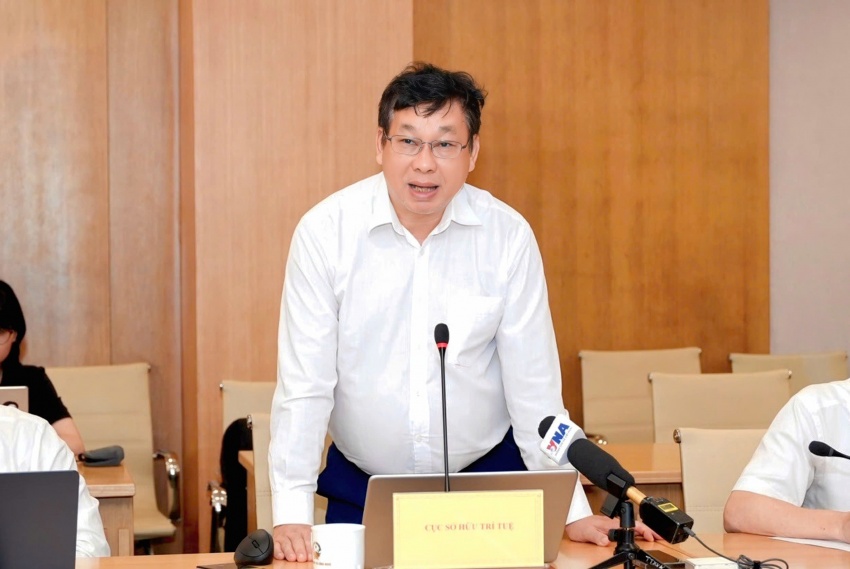
Tran Le Hong, deputy director general of the National Office of Intellectual Property of Vietnam. Photo: MST

Of the total cases, about 1,146 cases were handled administratively, and 28 cases were prosecuted criminally. Locak authorities also discovered nearly 30 cases of serious violations.

“Three weeks after the PM issued Directive 38 on focusing on decisively implementing solutions to combat, prevent, and handle intellectual property (IP) infringement, the number of administrative violations handled tripled the average monthly rate for 2025. The number of criminal cases initiated related to IP infringement was equivalent to approximately 60 per cent of the total number of cases initiated in 2025,” he shared.

According to the IP Office, many localities have established inter-agency task forces, strengthening coordination among the police, market management, customs, and other relevant agencies in inspecting, detecting, and handling violations.

The office also strengthens support for enforcement agencies, providing expert opinions to assist in handling cases of infringement of intellectual property rights (IPR) and industrial property rights, and publicly announces a contact point for assisting in searches and coordinating the provision of information to support the handling work of enforcement agencies nationwide.

He stated that the MST is coordinating with relevant ministries and agencies to build a national database on IPR enforcement by the end of 2026. Based on the compilation of daily reports, the ministry is gradually forming an initial data source on the detection and handling of IP infringements nationwide.

It is expected that this database will integrate information on administrative and criminal violations; typical, serious, or complex cases; and simultaneously update data on IPR, expert assessment results, and the process of handling infringements by enforcement agencies nationwide.

“Once built and operational, the database will support enforcement agencies in searching, sharing, and cross-referencing information more quickly, and coordinating the handling of cases more effectively. The database will be a powerful tool for statistical work and forecasting trends in IP infringement, serving as a basis for planning the activities of IP enforcement agencies nationwide,” he noted.

The effective tools to repress IP infringements The effective tools to repress IP infringements

The intellectual property of reputable and well-known businesses is perpetually the target of imitation. Nguyen Vu Quan, IP attorney at Kenfox IP and Law Office, explains the solutions in Vietnam for businesses in this area.

EuroCham proposes IP infringement prosecutions EuroCham proposes IP infringement prosecutions

The European Chamber of Commerce in Vietnam (EuroCham) has proposed strong enforcement measures to fight against serious copyright infringement. The threat to Intellectual Property Rights (IPR) has caused significant damage to creators, as well as negatively impacted sales from legitimate consumers.