Timber sector seeks solutions to refund VAT bottlenecks
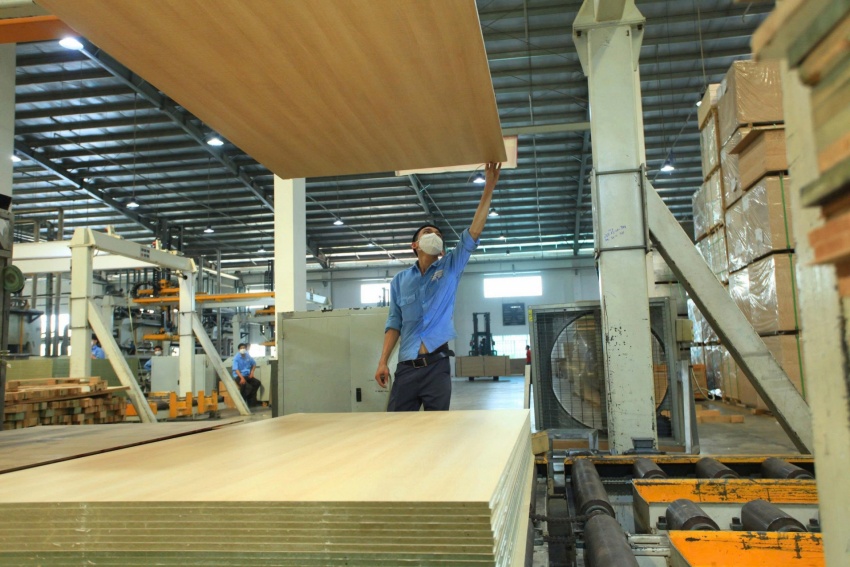
Vietnam’s timber industry is targeting $16.9 billion in export value in 2025. Photo: Le Toan

The Vietnam Timber and Forest Products Association (VIFOREST) ​​has petitioned the Ministry of Finance and relevant agencies to eliminate VAT on primary wood products and recognise them as agricultural outputs exempt from VAT. It has also called for consistent application of Decree 209/2013/ND-CP, which clearly stipulates that ordinarily processed plantation timber should not be subject to VAT.

According to the association, this proposal would allow processing and exporting firms to avoid burdensome deductions and refund procedures, reducing compliance costs and freeing up working capital. “Our goal is to ease administrative bottlenecks, mitigate legal risks, and prevent losses to the state budget from invoice fraud,” VIFOREST stated in its report. The move, it argued, would also protect the incomes of millions of rural household engaged in afforestation.

The sector’s achievements underscore what is at stake. Vietnam today maintains more than 4.6 million hectares of planted forests, producing an annual harvest of 35-40 million cubic meters of timber, sufficient to meet 75–80 per cent of processing demand. Export turnover of wood and wooden products is forecast to reach $16.9 billion in 2025, ranking sixth among Vietnam’s export categories. The industry provides direct jobs for over 500,000 workers and sustains millions of smallholder tree growers.

These numbers point to an acute liquidity challenge. Preliminary figures from VIFOREST indicate that timber enterprises are still waiting for VAT refunds worth around VND6.1 trillion ($250 million). The delay is linked to current procedures that require refunds to be processed only after thorough review.

On paper, the system is meant to secure the state budget. In practice, it has stalled refund approvals for compliant businesses. “Many companies have complete and legitimate dossiers, yet they are still asked to provide additional clarifications over and over again,” noted Cao Xuan Thanh, chief of office at VIFOREST. He stressed that refund processing often exceeded the statutory deadline, causing serious cash flow disruption.

Thanh pointed out that the requirement to trace raw material origins back to individual households is especially unrealistic. “A single export shipment may be sourced from dozens of growers across multiple provinces,” he explained. “The verification process becomes unworkable, and that is where enterprises get stuck.”

The consequences are immediate. Exporters are forced to advance 10 per cent VAT on input materials while awaiting refunds, eroding their capacity to rotate capital. This hits small- and medium-sized firms the hardest. With industry-wide profit margins averaging only 5-7 per cent, the sector loses an estimated VND500-600 billion ($20-25 million) annually due to refund delays, equivalent to 2-3 per cent of total profit.

Delayed refunds also damage Vietnam’s standing abroad. Foreign clients experience late deliveries and deferred payments, eroding confidence. More dangerously, exporters risk sanctions under the EU’s regulation on deforestation-free products (EUDR). “If traceability obligations are not properly met, the EU could issue yellow or red cards, which would severely hurt our market access,” VIFOREST warned.

Nguyen Liem, vice chairman of VIFOREST, added that product classification is another barrier. He observed that plantation timber after harvest, such aslogs, sawn timber, peeled veneer, or woodchips, has not been clearly recognised as “primary processed” goods. “Because of this ambiguity, exporters accumulate large VAT credits that cannot be refunded in time,” he said.

Liem further noted that both enterprises and small traders are still obliged to declare and pay VAT even on minimally processed timber, increasing costs and paperwork. In his words, “These procedures consume enormous time and resources, but the refunds remain out of reach. This has paralysed business cash flows and put many companies at risk.”

The risks extend beyond liquidity. Several exporters waiting on refund larges have been accused of enjoying state subsidies in trade defence investigations overseas. Domestically, extended refund disputes can push legitimate businesses into legal jeopardy. Meanwhile, the “request-and-grant” nature of the current system leaves room for arbitrary delays and even corruption.

These obstacles are driving a troubling shift: some companies now prefer to import timber rather than purchase from domestic plantations, simply to avoid VAT refund complications. This undermines demand for local wood, stripping millions of farmers of stable buyers and disincentivising reforestation. Thanh cautioned that the government might ultimately face the paradox of bailing out commercial plantation forests, a scenario entirely at odds with Vietnam’s sustainable forestry goals.

VIFOREST’s message is clear: resolving VAT refund issues is not merely about tax administration. It is about preserving national reputation, protecting farmers’ livelihoods, and securing the industry’s competitiveness in a global market increasingly focused on sustainability. “If these obstructions are not lifted, we risk losing both domestic and international trust,” Thanh emphasized.

In its petition, the association stresses that timely VAT reform will immediately free up liquidity, reduce exposure to legal risks, and enhance compliance with international traceability standards. More broadly, it would help solidify Vietnam’s position as a reliable, responsible supplier of timber products. “Unlocking these refunds is not a privilege, it is a necessity,” Liem underlined. “Without it, the industry cannot play its intended role as a pillar of the green, circular economy.”
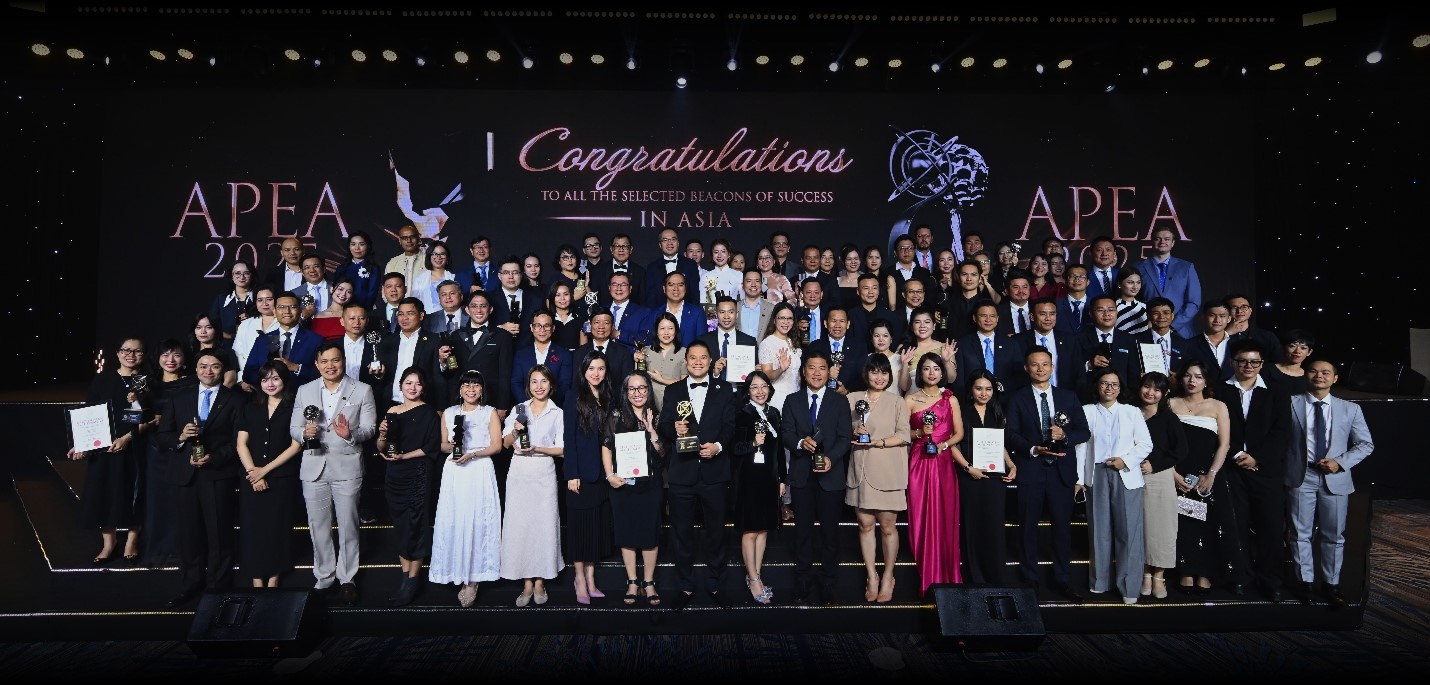
Organised by leading regional non-governmental organisation Enterprise Asia, the prestigious awards honoured businesses and business leaders who are reshaping industries, embracing innovation, and driving sustainable growth.

Vietnam’s visionary leaders redefine success at the Asia-Pacific Enterprise Awards 2025

With the theme ‘Showcasing Future-Ready Enterprises’, this year’s APEA celebrated organisations and leaders who are future-proofing their businesses amid sweeping technological disruption and shifting economic landscapes.

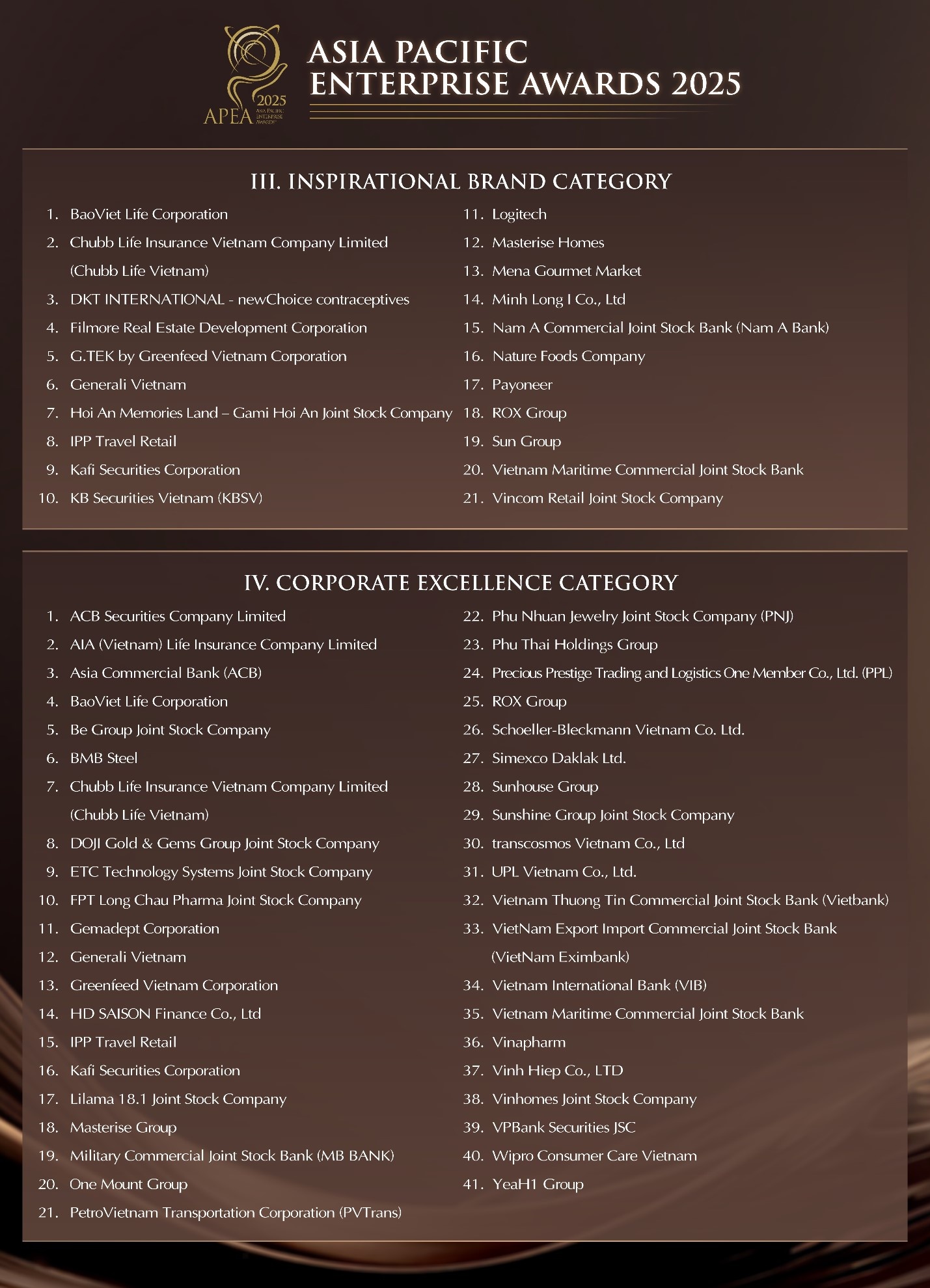
A highly selective judging process evaluated 342 nominees across four award categories: Master Entrepreneur, Inspirational Brand, Fast Enterprise, and Corporate Excellence. Each recipient stood out for their resilience, innovation, and commitment to creating lasting impact.

Since its inception in 2007, the APEA has grown into Asia’s most prestigious awards platform, with past Master Entrepreneur honourees comprising Kwek Leng Beng of Hong Leong Group Singapore, China’s Xu RongMao of Shimao Group, and Vietnam’s Dang Van Thanh of TTC Group, as well as notable corporate recipients including Pfizer Limited (Taiwan), Baker Hughes, GE Company (India), Pepsi-Cola Products Philippines Inc., Novo Nordisk Pharma (Thailand), Schneider Electric Vietnam, and Shell Vietnam.

“Enterprises that thrive in today’s world are those that challenge convention, embrace sustainability, and create value beyond profits. The honourees tonight embody the vision and resilience that will define the future of Vietnam’s economy.” stated Tan Sri Dr. Fong Chan Onn, chairman of Enterprise Asia, in his welcome address.

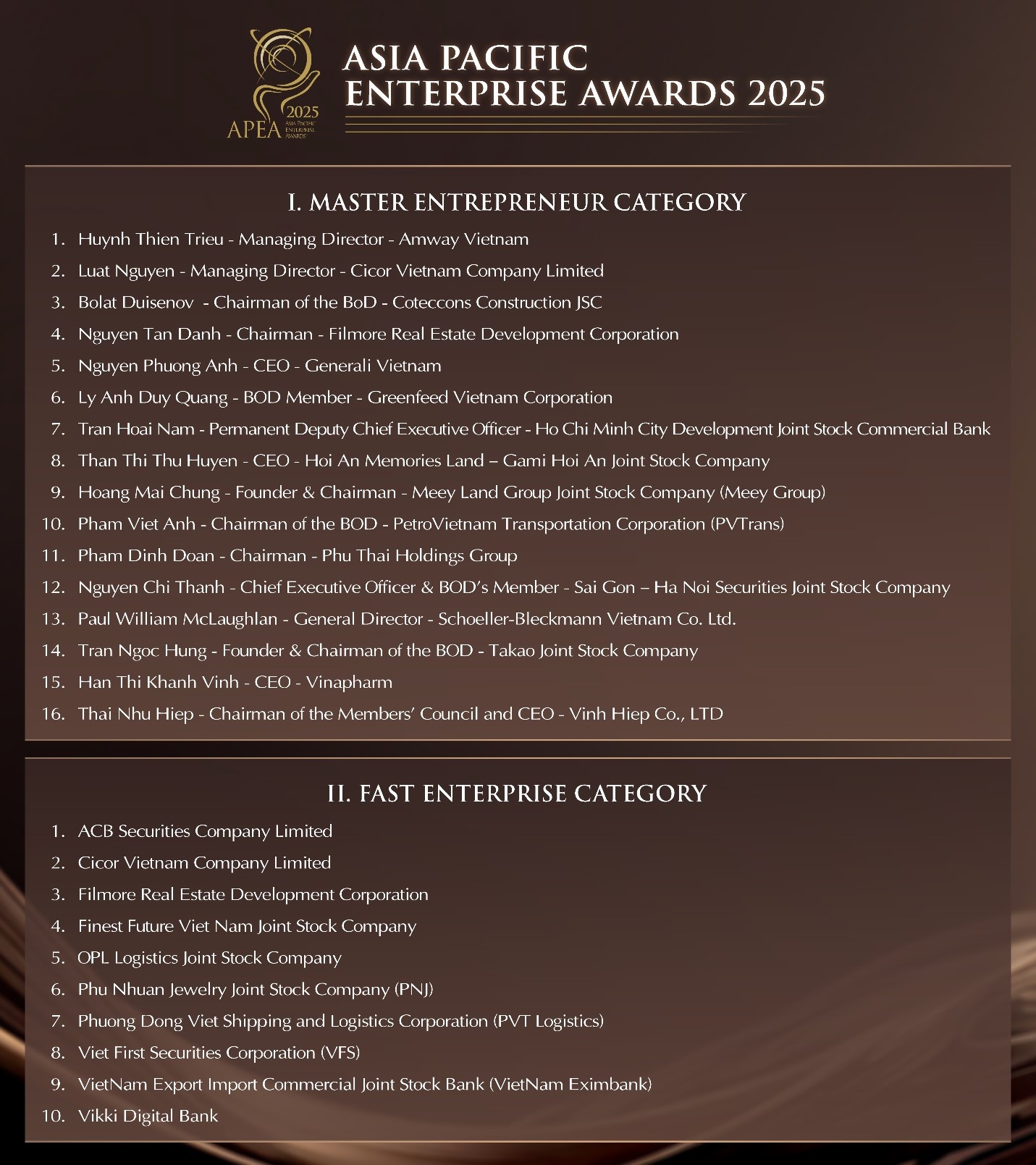
Among the Master Entrepreneur honourees are Ly Anh Duy Quang, board member of Greenfeed Vietnam Corporation, and Pham Dinh Doan, chairman of Phu Thai Holdings Group, who have demonstrated exceptional leadership and strategic foresight in steering their organisations to greater heights.

In the corporate categories, among the esteemed recipients were BaoViet Life Corporation and Vincom Retail Joint Stock Company in the Inspirational Brand category. The Fast Enterprise Award went to Phu Nhuan Jewelry Joint Stock Company (PNJ) and Eximbank, while the Corporate Excellence Award was presented to Gemadept Corporation and MB Bank.

The APEA 2025 Vietnam Chapter was supported by the Indian Business Chamber in Vietnam, Dutch Business Association Vietnam, The iMPACT Magazine, Asia Society for Social Improvement and Sustainable Transformation (ASSIST), Italian Chamber of Commerce in Vietnam, Startup Vietnam Foundation, and Vietsuccess. Snowball Consulting served as the official implementation partner, with PR Newswire as the official news release distribution partner, and Dailywire.asia and SME Magazine as the media partners.

Vietnam’s visionary leaders redefine success at the Asia-Pacific Enterprise Awards 2025

Launched in 2007, the Asia-Pacific Enterprise Awards are the region’s most prestigious awards for outstanding entrepreneurship, continuous innovation, and sustainable leadership.

The awards provide a platform for companies and governments to recognise entrepreneurial excellence, hence spurring greater innovation, fair business practices, and growth in entrepreneurship.

As a regional award, it groups together leading entrepreneurs as a powerful voice for entrepreneurship and serves as a by-invitation-only networking powerhouse. The programme has grown to encompass 16 countries/regions and markets all over Asia.

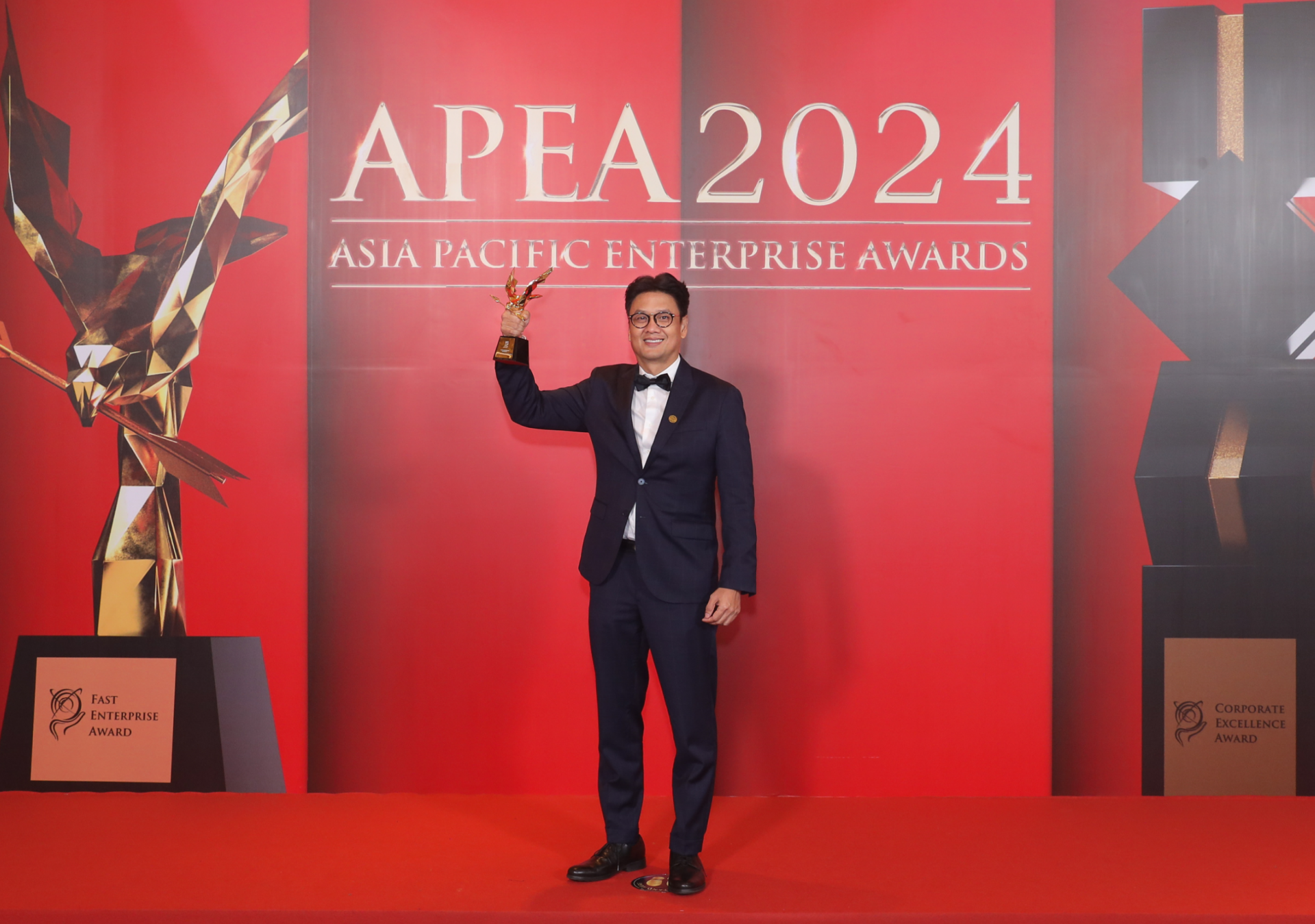
Asia Pacific Enterprise Awards 2024 honour industry leaders and leading corporations in Vietnam Asia Pacific Enterprise Awards 2024 honour industry leaders and leading corporations in Vietnam

The Asia Pacific Enterprise Awards (APEA) 2024 honoured Vietnam’s inspiring business moguls and visionaries of inclusive entrepreneurship on October 3 at the GEM Centre in Ho Chi Minh City.

Kafi Securities named “Fast Enterprise” at Asia Pacific Enterprise Awards Kafi Securities named “Fast Enterprise” at Asia Pacific Enterprise Awards

Kafi Securities was honoured to have been named “Fast Enterprise Award” at the Asia Pacific Enterprise Awards (APEA) 2024 in Ho Chi Minh City on October 3.

Halcom Vietnam honoured with Asia Corporate Excellence award Halcom Vietnam honoured with Asia Corporate Excellence award

Halcom Vietnam was bestowed with an Asia Corporate Excellence award at the Asia-Pacific Enterprise Awards in Ho Chi Minh City.

Vietnam motorcycle market slows amid transition

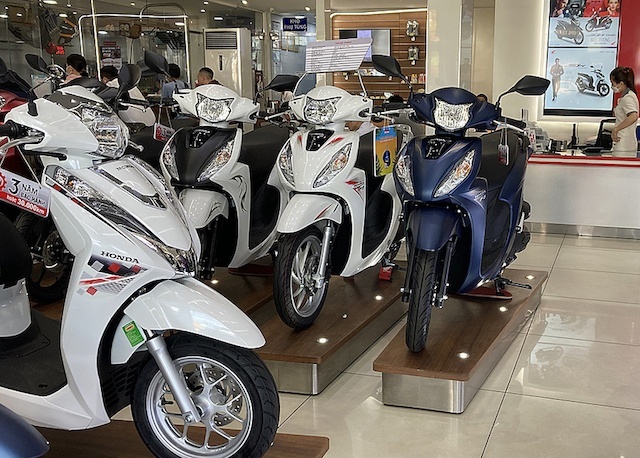
On October 10, the Vietnam Association of Motorcycle Manufacturers (VAMM) reported that combined sales from its five members – Honda, Yamaha, Piaggio, Suzuki, and SYM – totalled just under 622,000 units between July and September 2025, down almost 9.4 per cent on-year. Despite Vietnam remaining one of Southeast Asia’s largest motorcycle markets, the decline signals a pause after two decades of strong growth.

With around 80 per cent of market share, Honda continues to dominate, but has not been spared from the downturn. In September alone, Honda sold almost 164,000 motorcycles, down 11.4 per cent on-year. From April to September, its total sales amounted to just over 1 million units, a slight fall compared with the previous year.

Dealers report sharper drops in recent months, particularly in mid-range scooters, as consumers adopt a wait-and-see approach. “People are wondering whether buying a petrol bike now could restrict them later, or if it’s better to wait until EVs become more affordable. This hesitation is putting the entire market on pause,” a major distributor explained.

In contrast, non-VAMM players such as VinFast, Yadea, and Dat Bike are gaining traction in the two-wheeler EV segment, forcing traditional giants like Honda and Yamaha to accelerate their electrification strategies.

The policy landscape is also reshaping expectations. Under a directive issued by the Prime Minister in July, Hanoi authorities must implement measures to restrict fossil-fuelled motorbikes from operating within Ring Road 1 by July 2026. The following stages will limit petrol-powered private cars inside Ring Roads 1 and 2 by 2028, extending to Ring Road 3 by 2030.

In response, VAMM has petitioned the government, warning that the 2026 restrictions in Hanoi could impose significant burdens on both consumers and industry. The association argues that low-income households and families reliant on multiple petrol bikes would face steep costs in switching vehicles. For businesses, the abrupt shift risks disrupting the entire motorcycle ecosystem – from production and distribution to after-sales services.

“Manufacturers will be forced to make substantial investments in restructuring production lines, upgrading technology, and developing new products, without sufficient time or financial support. This could result in heavy losses, production disruptions, and even bankruptcies,” VAMM noted. Nearly 2,000 dealerships and 200 component suppliers tied to internal combustion engines are expected to bear the brunt of declining revenues, with supply chain fractures a likely consequence.

VAMM also pointed out that companies have already invested hundreds of thousands of dollars in new technology and equipment to meet forthcoming regulations effective from 2027, such as EURO4 emission standards and fuel consumption limits. A sudden pivot to EVs could render these efforts wasteful and undermine the effectiveness of recently enacted environmental policies.

To avoid a disorderly transition, VAMM has proposed a more phased approach with a minimum preparation window of two to three years, giving households, businesses, and regulators time to adapt and mitigate risks.

The association further explained that infrastructure remains a critical barrier. Public charging stations are still insufficient, while concerns over fire safety – particularly in ageing apartment buildings with degraded electrical systems – are rising. “Addressing these issues is essential for consumer confidence, business investment, and the safe, effective rollout of electric mobility,” the association stressed.

In addition, VAMM urged policymakers to introduce supportive incentives, such as tax breaks and preferential credit, to encourage consumer adoption of electric two-wheelers.

The motorcycle market is shifting from sheer volume growth to structural transformation. While 2025 has been a challenging year, analysts predict stabilisation from the second half of 2026 as economic growth resumes, incomes rise, and the green consumption trend strengthens.

The interplay of electrification, technological renewal, and consumer appetite for sustainable mobility is expected to shape the next growth cycle. In the long term, Vietnam will remain a pivotal two-wheeler market in ASEAN, not only for domestic consumption but also for its export potential.

To achieve the accreditation, GREENFEED’s Tay Ninh plant has met rigorous criteria on raw material traceability, environmental protection, social responsibility, and transparent supply chain management.

The Aquaculture Stewardship Council (ASC) certification is a globally recognised standard that evaluates responsible aquaculture operations.

GREENFEED, one of the top animal feed producers in Southeast Asia, has invested in developing a comprehensive aquaculture value chain, from sourcing raw materials for aquafeed production to delivering processed seafood products for both domestic and international markets.

GREENFEED brings Vietnamese aquaculture to global markets
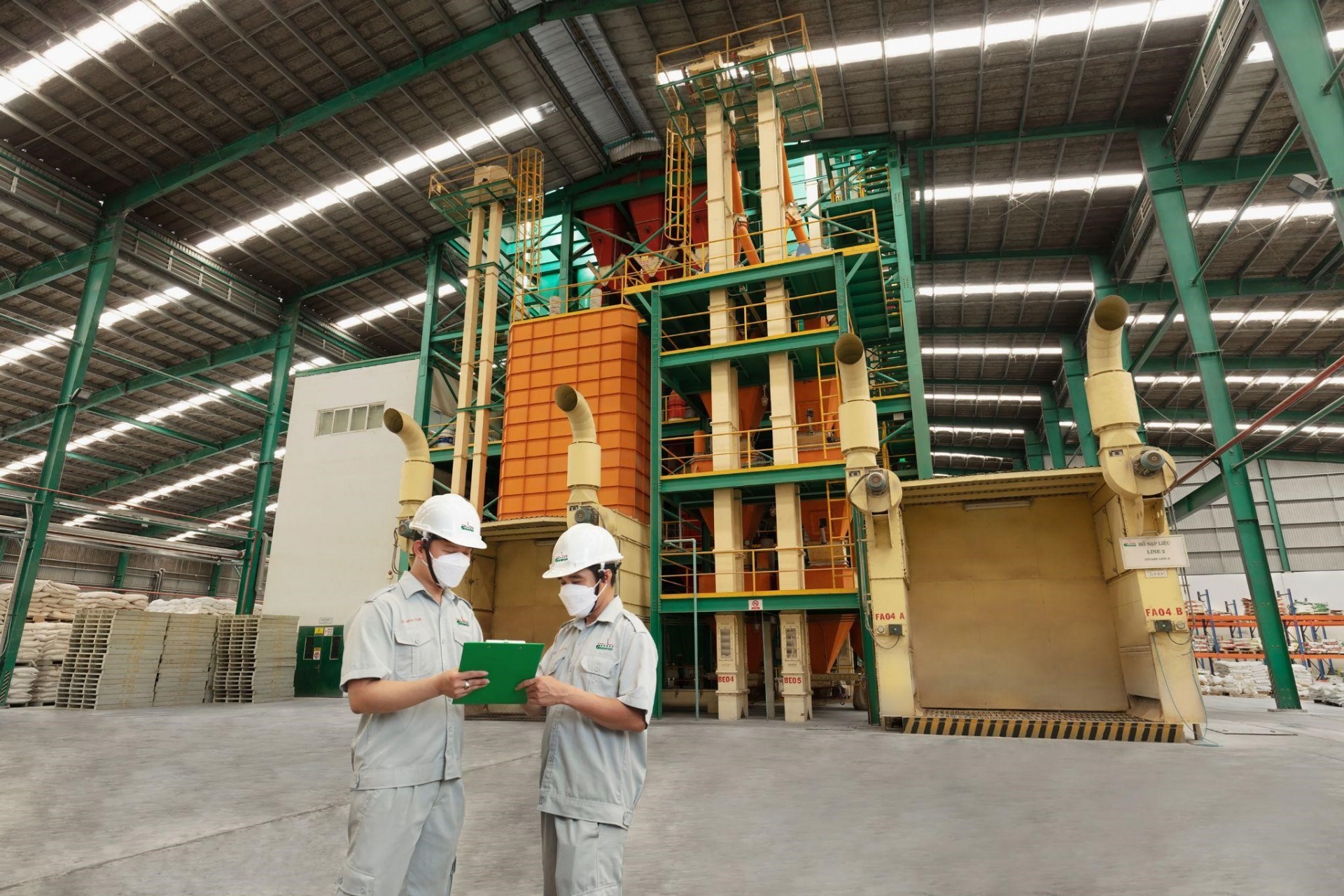
Product quality inspection inside GREENFEED’s aquafeed factory

The chain encompasses branded aquafeed lines AQUAGREEN, SUPERWHITE, and PANAFEED, high-quality broodstock, commercial farming, processing and exporting frozen seafood and value-added products, as well as animal health management solutions and aquatic veterinary products.

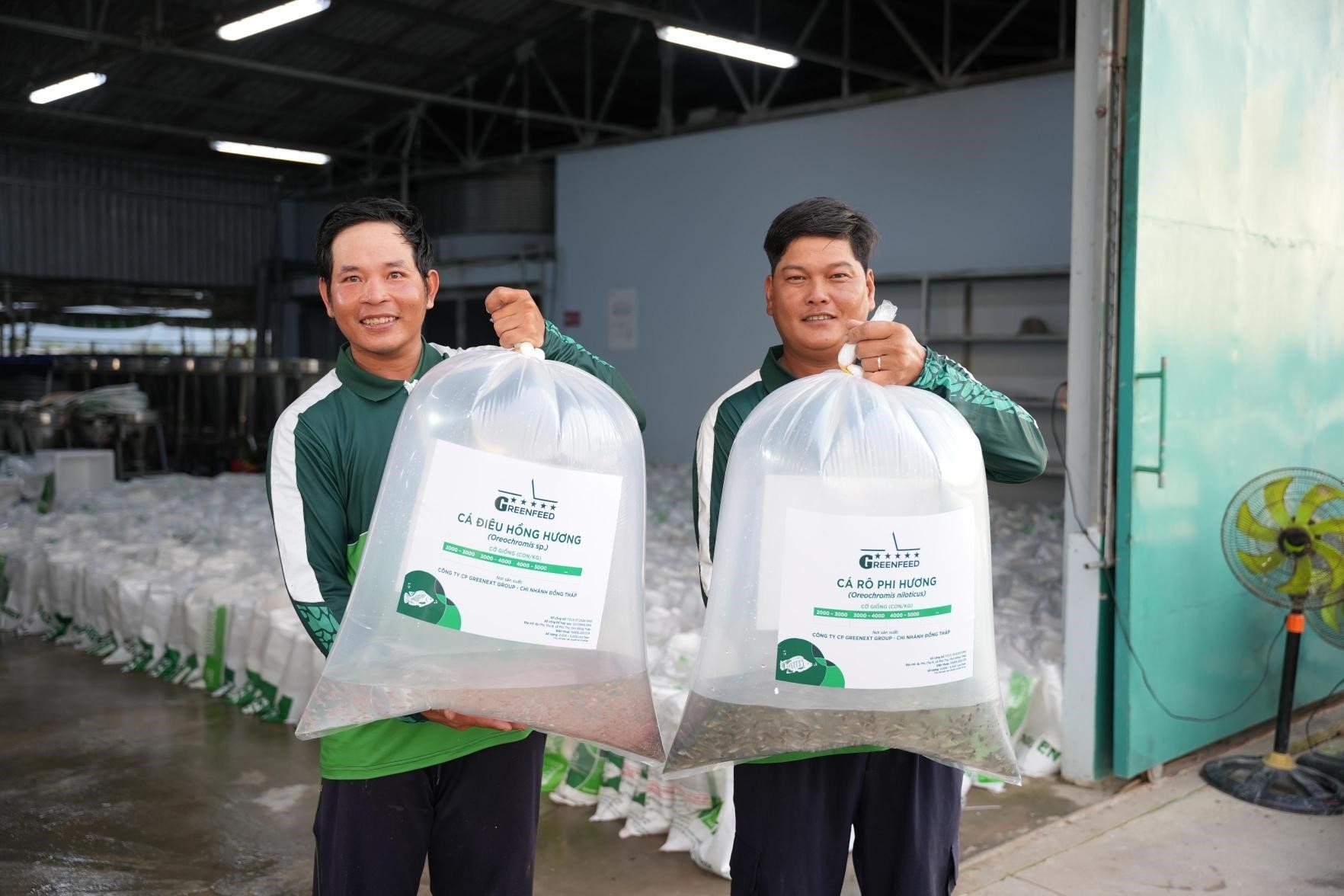
In the seed segment, the company supplies aquaculture seeds such as basa fish, black tilapia, and red tilapia; operates commercial farming of eels and frogs; and conducts research and trials on models such as basa fish, tilapia, and marine fish.

Alongside this, the company develops technical solutions and aquatic health products, enabling the processing and export of basa fish, tilapia, frog, eel, and marine fish of consistently high quality to meet both domestic demand and international market requirements.

GREENFEED brings Vietnamese aquaculture to global markets
GREENFEED’s aquaculture seeds ensure consistent quality and farming efficiency

Throughout its journey, GREENFEED has worked hand in hand with farmers across the entire production cycle through its ‘farm-to-table’ sustainable value chain.

This integrated model has been designed and continuously improved to help address challenges faced by aquaculture farmers while driving greater efficiency and productivity.

Take the frog industry in Vietnam as an example. GREENFEED has introduced its AQUAGREEN, SUPERWHITE, and PANAFEED product lines across every growth stage, from tadpole to market-size frogs. These feeds meet clean, safe, and nutrient-rich standards, and strictly exclude banned substances, in compliance with regulations of the Directorate of Fisheries.

Since 2014, GREENFEED has consistently maintained the Best Aquaculture Practices (BAP) certification, an international benchmark that validates its superior production capabilities and product quality, trusted by both domestic customers and global export partners.

Beyond feed, the company provides diverse integrated solutions such as designing farms to international standards for pond- and land-based models with appropriate stocking densities; offering technical solutions to manage animal health throughout the production cycle; and applying disease prevention measures that enhance survival rates and promote responsible, efficient growth.

GREENFEED brings Vietnamese aquaculture to global markets
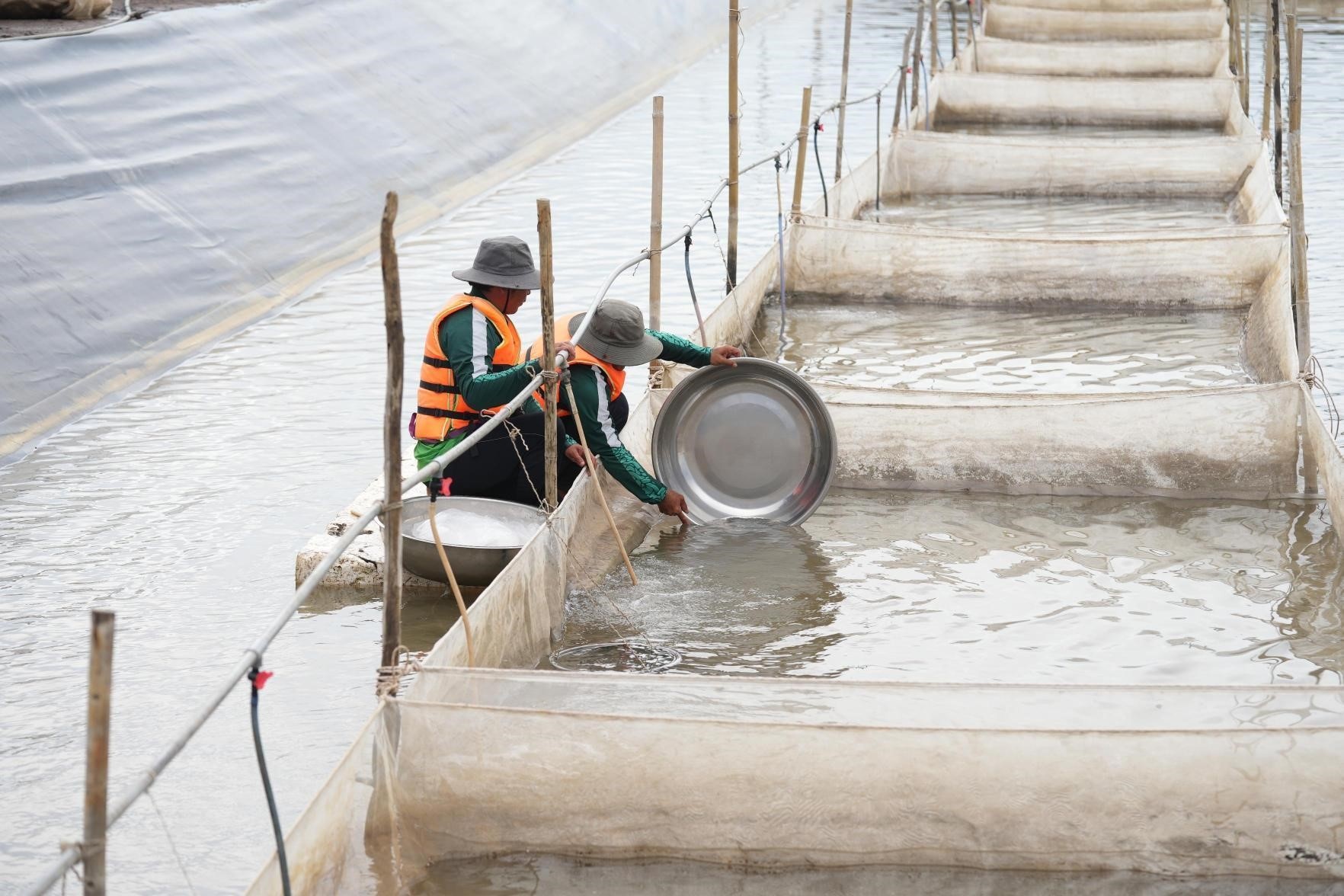
An aquaculture farm of GREENFEED

Ensuring market access for frog farmers who follow GREENFEED’s certified export models and adopt its feed and health solutions is a distinct advantage, helping optimise productivity and giving farmers the confidence to invest in a more professional, sustainable frog farming sector.

Export products such as frozen frog legs are fully traceable, sourced from controlled inputs, and comply with stringent product quality requirements across diverse international markets, including Europe, South America, Oceania, and Asia (Taiwan, Hong Kong, China, among others).

For black tilapia, GREENFEED is building a dedicated value chain designed to maximise farmers’ economic returns while unlocking the export potential of Vietnamese tilapia.

The company prioritises safe, high-quality aquafeed tailored to each growth stage. Its newly introduced PANAFEED line supports tilapia farming in ponds and cages with low water flow, from fry under 5 grams to market size of fish weighing 100-200 grams and above.

GREENFEED’s tilapia farming model emphasises efficiency, sustainability, and biosecurity, reducing operating costs, ensuring uniform growth, and improving yields. The result is export-quality tilapia that comes on par with stringent requirements of international markets across Europe, South America, Oceania, and Asia.

By building and continuously refining its aquaculture value chain, GREENFEED is confident in delivering tangible economic benefits for farmers while empowering them to professionalise and pursue aquaculture sustainably.

Together, these efforts contribute to advancing Vietnam’s aquaculture sector and expanding its reach across global markets.

GREENFEED aims to be leading sustainable conglomerate in food and agriculture GREENFEED aims to be leading sustainable conglomerate in food and agriculture

GREENFEED has been honoured in Vietnam’s Top 100 Sustainable Businesses 2022, marking a milestone in its journey to reach sustainable development goals by 2030.

GREENFEED shines in multiple reputable rankings GREENFEED shines in multiple reputable rankings

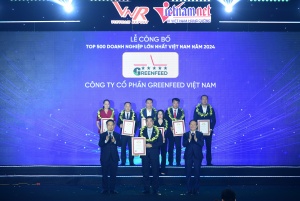
On January 8, GREENFEED proudly secured its spot in the Top 500 Largest Enterprises in Vietnam (VNR500) for the third consecutive year and ranked second in the Vietnam Top 10 Animal Feed Reputation Award 2024, reaffirming the company’s market position and its trustworthiness.

GREENFEED receives global ‘Great Place to Work’ accolade GREENFEED receives global ‘Great Place to Work’ accolade

GREENFEED in July received the Great Place to Work certification for the first time, a global recognition for workplace excellence.

At a national conference in Hanoi on October 9, held ahead of Vietnam Entrepreneurs’ Day, Hoa Phat Group chairman Tran Dinh Long urged the government to streamline decision-making, enhance transparency in public procurement, and prioritise Vietnamese products. He explained that clearer and more responsive policies are crucial to helping local industries remain competitive amid international headwinds.

Reflecting on nearly three decades since Vietnam joined ASEAN, Hoa Phat Group chairman Tran Dinh Long said, “The steel sector has evolved from a peripheral player to a pillar of regional manufacturing. From an output of just over one million tonnes in 1995, Vietnam has become Southeast Asia’s largest steel producer and now ranks 11th globally, reflecting the strength of our industry as well as Vietnam’s success in economic integration.”

He called for faster and more decisive implementation of the Politburo’s Resolution No.68-NQ/TW on private-sector development, stressing that bureaucracy remains a brake on enterprise growth. “Time is life in business. Every delay means missed opportunities,” he said. “Enterprises need ministries and local authorities to respond faster and act with conviction.”

Long also warned that rising global protectionism is compounding challenges for Vietnamese exporters, citing the EU’s recent move to double steel import duties from 25 to 50 per cent. “This will hit our exports directly,” he said. “The government needs flexible, timely countermeasures to safeguard domestic production while keeping trade fair and rules-based.”

For state-funded projects, Long urged ministries and agencies to prioritise Vietnamese materials that meet technical standards, arguing that national procurement policies should directly support local manufacturing. “The message is simple: if Vietnamese producers can deliver, they should have the first chance,” he said. Transparent bidding and fair competition, he added, must guide all major public schemes, from social and worker housing to national infrastructure.

“Domestic enterprises have invested heavily in capacity and technology,” Long concluded. “We’re ready to drive the country’s development, but that requires a level playing field and clear, consistent rules.”

Hoa Phat chief urges swift action to boost Vietnam’s steel industry

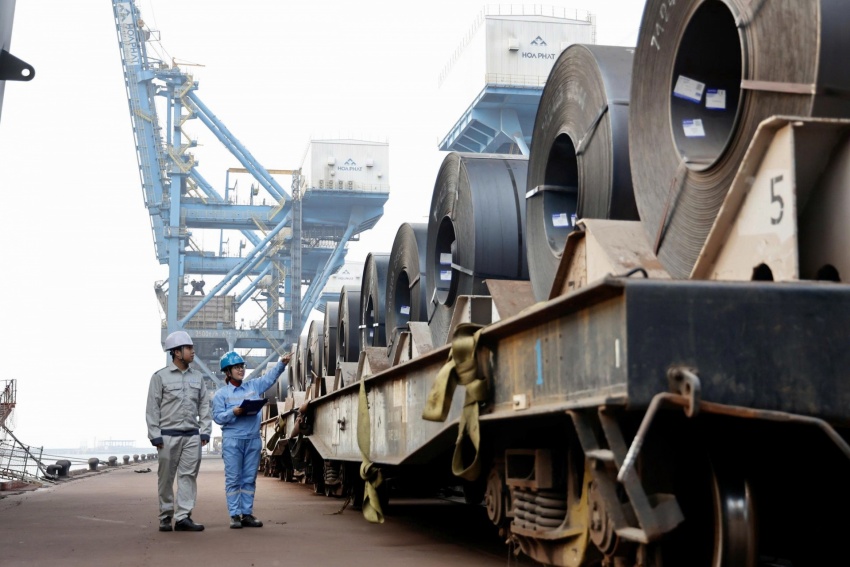
Hoa Phat’s recent performance underscores its leading position. In the third quarter of 2025, the group produced 2.8 million tonnes of crude steel, up 14 per cent on-quarter and 35 per cent on-year. Sales of hot-rolled coil (HRC), construction steel, high-quality steel and billets reached 2.5 million tonnes, an increase of 21 per cent compared to the same period last year.

Construction steel and rolled steel sales fell 17 per cent from the second quarter to just over one million tonnes, affected by the low building season and adverse weather. In contrast, HRC sales climbed 8 per cent from the previous quarter and 71 per cent on-year to over 1.2 million tonnes. September alone saw a record 477,000 tonnes sold.

Downstream HRC products also expanded steadily, with coated steel sheets reaching 120,000 tonnes and steel pipes 225,000 tonnes in the quarter.

Over the first nine months of 2025, Hoa Phat produced 7.9 million tonnes of crude steel, up 23 per cent on-year. Total steel sales reached 7.4 million tonnes, up 22 per cent, maintaining its 37 per cent market share in construction steel.

HRC output surged 51 per cent to 3.43 million tonnes, accounting for more than 56 per cent of Vietnam’s total, according to the Vietnam Steel Association. Coated steel output reached 320,000 tonnes (down 7 per cent), steel pipes 627,000 tonnes (up 25 per cent), and pre-stressed and wire-drawn steel 116,000 tonnes (up 25 per cent), with exports contributing 42 per cent.

The completion of blast furnaces No.1 and No.2 at the Hoa Phat Dung Quat 2 complex during the second and third quarters marked a strategic milestone. The fully operational project will significantly expand national HRC capacity, reinforcing Vietnam’s steel independence amid rising protectionism in global markets.

VYEA drives CEO training initiative following VPSF 2025
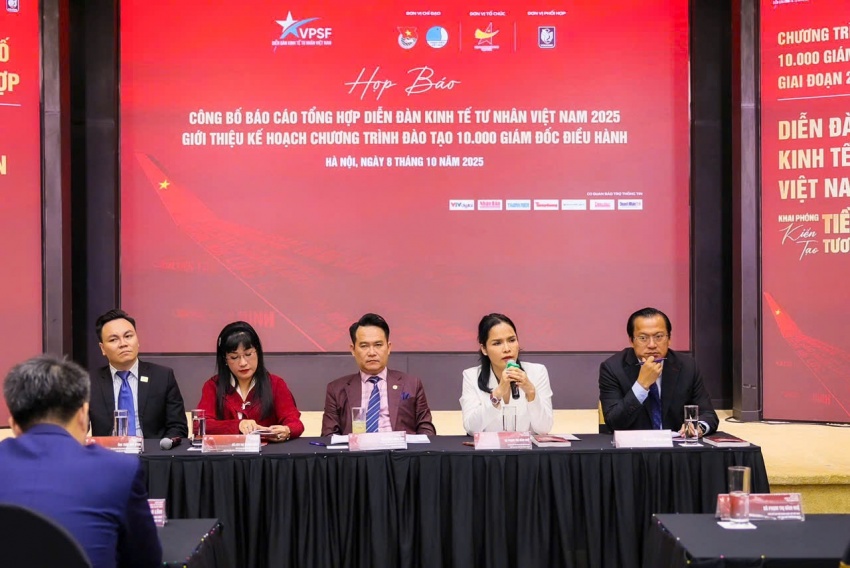
The VYEA unveils VPSF 2025 summary report and 10,000 CEO Training Programme

On October 8 in Hanoi, the VYEA held a press conference to present the summary report of VPSF 2025 and unveil its ‘10,000 CEO Training Programme’ for 2025–2030. The initiative is designed to provide a structured roadmap, practical guidance, and expert support to prepare private sector leaders for the challenges and opportunities of a rapidly integrating economy.

The programme reflects the VYEA’s commitment to implementing the initiatives and pledges made during last month’s VPSF 2025 high-level session, transforming dialogue into tangible support for Vietnam’s emerging business leaders.

The VPSF 2025 summary report was compiled based on input from nearly 6,500 delegates, over 3,000 opinions from the business community across 12 local dialogue sessions nationwide, four thematic sessions, and one high-level session with the direct attendance and guidance of Prime Minister Pham Minh Chinh.

The discussions highlighted critical issues regarding institutions, innovation, international integration, and internal corporate governance. The report proposed many recommendations, notably the CEO training scheme aimed at nurturing a new generation of Vietnamese business leaders with the vision and talent to drive sustainable development.

At the press conference, Dang Hong Anh, chairman of the VYEA and VPSF 2025, said the association will finalise and publish the full report, systematising all recommendations and proposals from the business community.

“This report will be submitted to the government and relevant agencies as a key reference for building, adjusting, and finalising policies. Beyond compiling the recommendations, the association will set up a monitoring mechanism to track their reception and follow-up, working closely with ministries and local authorities to ensure concrete responses and implementation,” he said.

The VYEA plans to create an online, transparent, and regularly updated policy feedback platform, alongside periodic dialogue sessions to track progress and strengthen implementation. The initiative aims to turn VPSF recommendations into actionable policies, address delays, and drive momentum for private sector development.

VYEA drives CEO training initiative following VPSF 2025
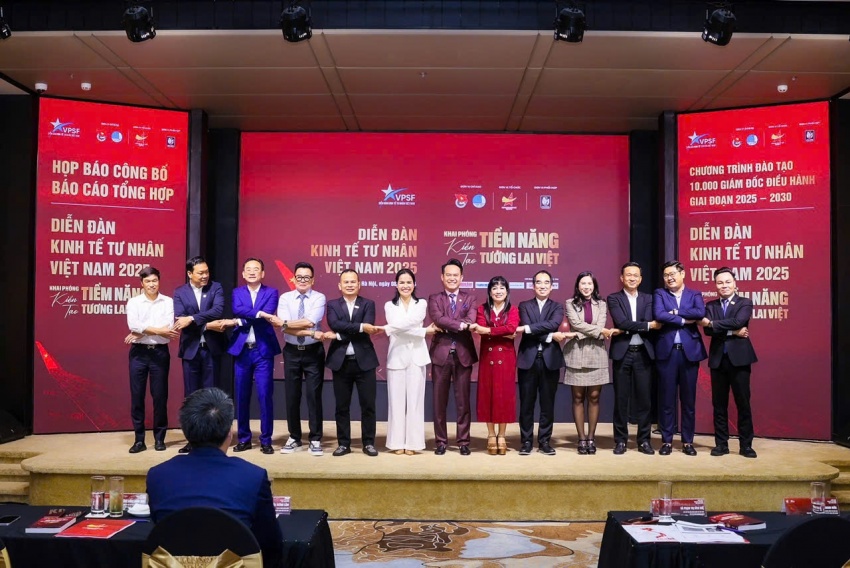
Kickoff event for the 10,000 CEO Training Programme, 2025–2030

To turn the outcomes of VPSF 2025 into concrete action, the VYEA also unveiled the launch plan for the 10,000 CEO Training Programme.

The initiative follows a three-phase roadmap: Phase 1, in the last quarter of 2025, will pilot the programme with the first 1,000 participants; Phase 2, from 2027 to 2029, will scale up to reach 7,000 participants; and Phase 3, in 2030, will focus on sustainable, widespread impact to achieve the target of training 10,000 CEOs.

“This is a large-scale, long-term scheme, specially designed to combine theory with practice, taught by top experts and successful entrepreneurs. With a focus on the most urgent topics today, it is expected to produce a new generation of CEOs capable of leading their businesses onto the global stage,” said Hong Anh.

The course comprises eight training modules, covering entrepreneurship and corporate culture; business strategy; talent management and human resources; operations and performance management; risk management and legal compliance; financial management; technology, AI, and innovation; and partner engagement, including mergers and acquisitions.

Funding will be split 50/50 between sponsorships and tuition fees. Using the ‘Mindset – Toolset – Skillset’ approach, the programme provides not just theoretical knowledge but also practical tools and actionable skills that can be immediately applied in businesses.

Building green infrastructure, removing legal bottlenecks for urban development Building green infrastructure, removing legal bottlenecks for urban development

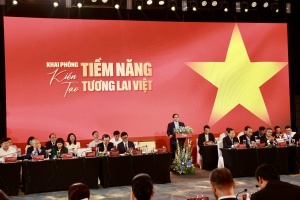
The business community has emphasised that Vietnam stands at a crucial crossroads: either decisively transform towards sustainable development, or face the risk of urban decline.

PM calls on young entrepreneurs to lead Vietnam’s next development era PM calls on young entrepreneurs to lead Vietnam’s next development era

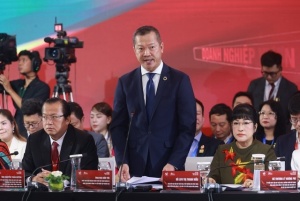
The Vietnam Private Sector Forum (VPSF) 2025 concluded with the prime minister calling on young entrepreneurs to drive innovation and institutional reform.

Sandbox and governance keys for Vietnam’s startups Sandbox and governance keys for Vietnam’s startups

The young business community and tech startups have highlighted two vital factors to build a new generation of enterprises in Vietnam: a regulatory sandbox and stronger corporate governance.

Businesses share roadmap to going global Businesses share roadmap to going global

Successful Vietnamese businesses have shared insights and urged for stronger public-private cooperation to help local firms scale internationally and claim key roles in global supply chains.

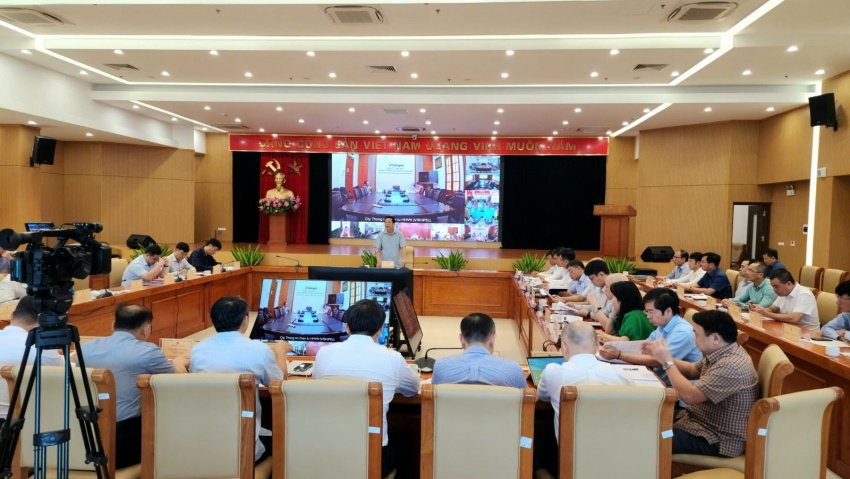
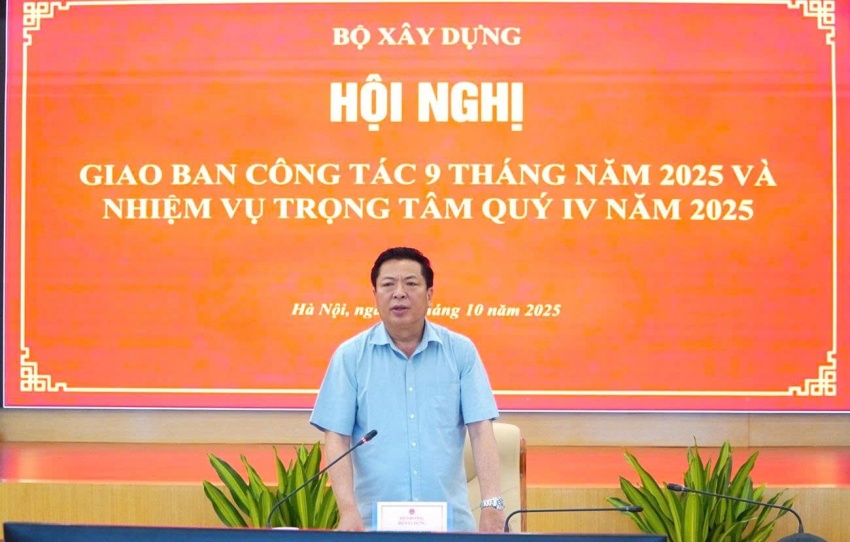
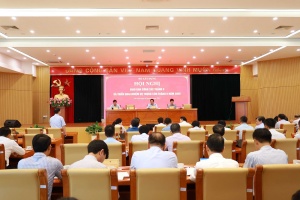
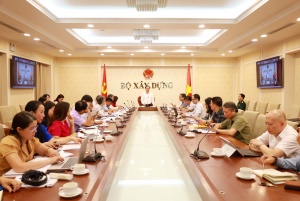
The MoC announced this finding at a meeting held on October 3 to review the nine-month performance and set tasks for the upcoming months.

The ministry has submitted and received approval from the prime minister for the plan to reduce 181 business investment conditions and simplify 12 more business investment conditions, exceeding the target set in Resolution No.66/NQ-CP.

Ministry of Construction ranks first in quality of public service provision
The MoC’s meeting on October 3 in Hanoi. Photo: Ministry of Science and Technology

Minister of Construction Tran Hong Minh assessed that the work of building and perfecting institutions continues to be implemented strongly and effectively. The ministry focused on completing, submitting and having the National Assembly approve the Railway Law and six resolutions. It also had nine decrees, one resolution and 32 circulars issued.

They have many new contents, contributing to creating motivation for the country in investment and development of construction infrastructure, strengthen decentralisation, in accordance with the two-level local government model, reform and simplify administrative procedures and investment and business conditions.

However, Minister Minh pointed out that there are still many problems after the two-level local government model came into operation, such as provincial planning and urban planning. Therefore, the work of building institutions must be more substantial and truly creative to help remove obstacles and create conditions for people, localities, and businesses to thrive.

He also admitted that the application of science, technology and digital transformation in its agencies and units is still slow, not really meeting the requirements of the practical situation.

Minister Minh asked heads of units to focus on strictly implementing the tasks assigned in Notice No.372 dated September 16 and Notice No.425 dated September 30 on the development of standards and regulations.

Ministry of Construction ranks first in quality of public service provision
Minister of Construction Tran Hong Minh chaired the meeting. Photo: Ministry of Science and Technology

The minister assigned the Department of Science, Technology, Environment, and Construction Materials and the Information Technology Centre to actively work with research facilities and enterprises to promote innovation and national digital transformation in the fields of construction and transport.

“Heads of units, especially specialised departments, need to closely coordinate with the Information Technology Centre to urgently build a construction industry database to ensure completion in 2025,” he directed.

The minister requested that in the last quarter of 2025, the Legal Department and agencies and units must organise the effective implementation of the strategic resolutions of the Politburo. At the same time, they should focus on completing legal documents and schemes to submit to the 13th Party Central Committee Conference and the 10th session of the 15th National Assembly. These include the Aviation Law, Urban and Rural Planning Law, and Construction Law (amended) for consideration and approval; as well as 10 draft decrees in accordance with the plan.

MoC reviews progress and pushes plans to meet 2025 targets MoC reviews progress and pushes plans to meet 2025 targets

The Ministry of Construction held a critical mid-year evaluation on June 6, analysing the performance over the first five months of the year across all sectors and developing implementation roadmaps to hit 2025’s construction and housing development targets.

MoC could eliminate construction licensing procedures MoC could eliminate construction licensing procedures

The Ministry of Construction (MoC) will assess the impact of eliminating construction licensing procedures to create better conditions for individuals and businesses.

Ministry of Construction updates draft Water Supply and Sewerage Law Ministry of Construction updates draft Water Supply and Sewerage Law

A comprehensive legal framework is being prepared for Vietnam’s water sector, with a new law on water supply and sewerage scheduled for completion in 2026.

Vietnam considers model on real estate transaction centre Vietnam considers model on real estate transaction centre

Vietnam is working on a pilot model of real estate and land use rights transaction centre to create a healthy and sustainable real estate market.

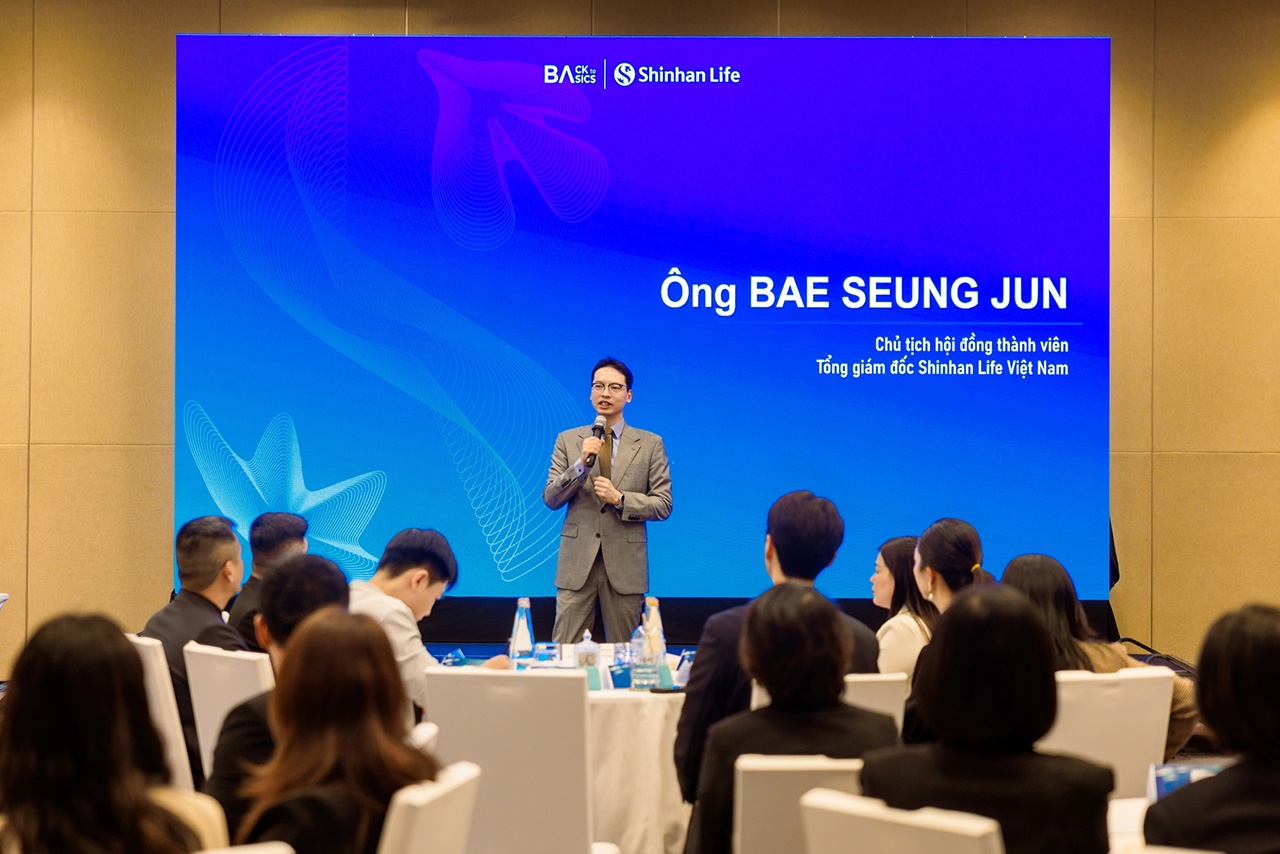
Since starting operations in Vietnam just over four years ago, Shinhan Life has focused on developing a people-centred strategy. Bae highlights how the company’s human resources (HR) policies have helped create an engaging workplace, retain talent, and support sustainable growth in the competitive life insurance sector.

Shinhan Life Vietnam builds growth on people strategy
Bae Seung Jun – general director of Shinhan Life Vietnam

The life insurance market in Vietnam is highly competitive, yet Shinhan Life Vietnam has quickly built a committed, high-performing workforce. What strategies have helped the company achieve this success?

We believe that sustainable growth must begin with the growth and pride of every employee. From day one, Shinhan Life Vietnam has pursued a people-centric strategy. I believe a company’s growth goes hand in hand with the development of each employee.

A self-ownership work culture has been our core value from the very beginning, serving as a powerful driver of self-leadership and self-motivation. It has enabled our employees to fully realise their potential while contributing to collective success. Building on this foundation, we have focused on creating the best possible working environment, offering career development opportunities, fostering connection, and ensuring competitive welfare policies.

Shinhan Life Vietnam builds growth on people strategy
Shinhan Life Vietnam has built a distinct brand identity through the creativity and collaboration of its people

Thanks to the collaboration and creativity of our people, Shinhan Life has built a distinct brand identity in just over four years of operation and earned the trust of thousands of Vietnamese customers. We currently offer a diverse and flexible product portfolio, ranging from protection to savings and investment, to meet the evolving needs of our customers.

This people-driven strategy has also been translated into encouraging business results. In 2024, Shinhan Life Vietnam recorded total revenue surpassing $16 million, with net revenue from insurance business operation amounting to $10.2 million, reflecting a 19 per cent growth compared to the previous year.

Given the challenges the life insurance sector has faced and its gradual recovery this year, how has Shinhan Life Vietnam maintained employee engagement and morale?

As a leader, I strive to make Shinhan Life Vietnam a place where everyone feels proud and inspired to come to work every day. I also encourage employees to nurture their aspirations because when they grow, the company grows, and together we all share in the benefits of that growth.

Over the past four years, Shinhan Life Vietnam has consistently prioritised initiatives to build a friendly, dynamic workplace that fosters collaboration and growth. In addition to encouraging open and direct communication, the company regularly organises training activities and internal activities to strengthen connections across all levels and departments.

In particular, we actively promote our core value of Shinhan Pride, which forms the foundation for sustainable growth and greater employee satisfaction. We believe that a creative, balanced, and open workplace makes employees happier while enhancing productivity.

At the same time, we align our business with community responsibility and environmental, social, and governance principles. This instills pride in every individual, reinforcing the idea that the company’s success is also their success.

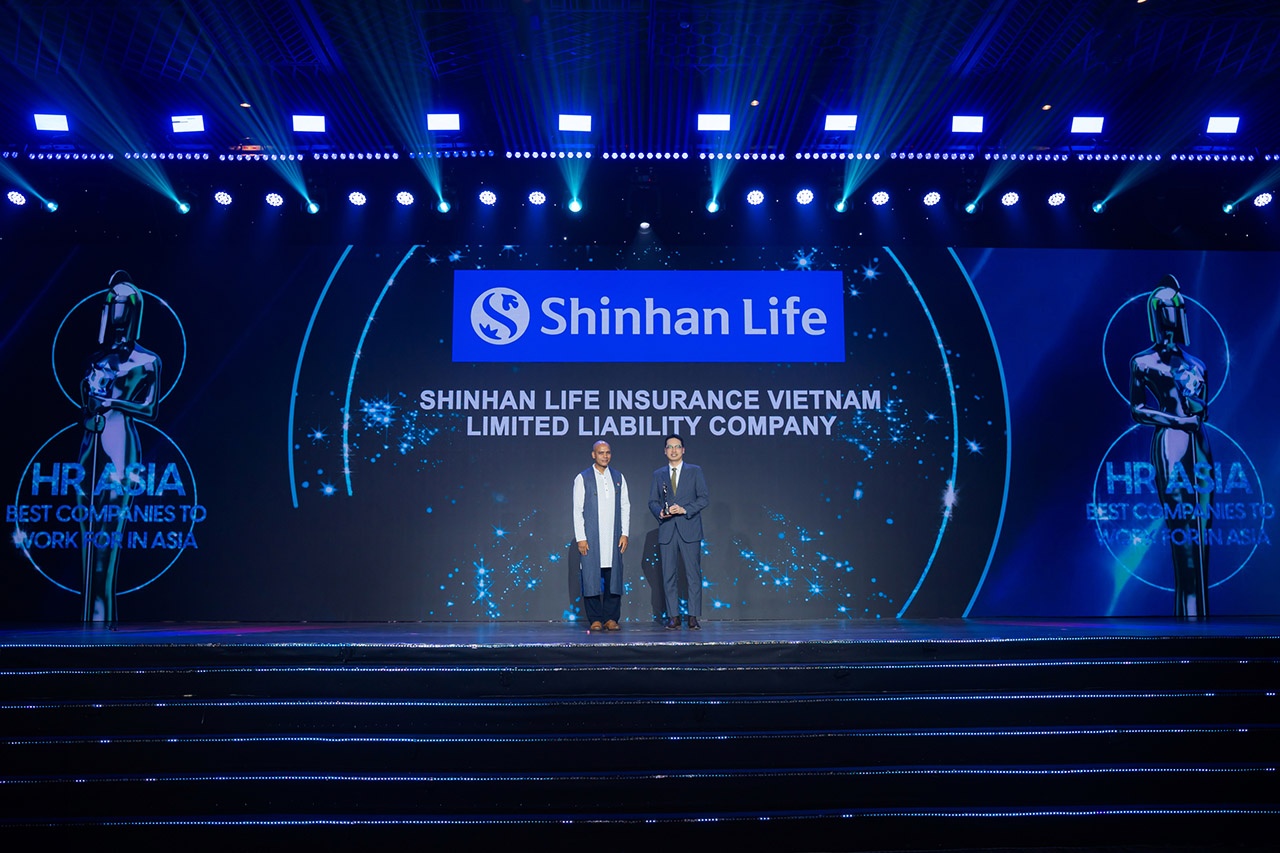
Shinhan Life Vietnam was recently named ‘Best Companies to Work for in Asia 2025’ and ‘Most Caring Company 2025’ by HR Asia. What contributed to these recognitions?

Firstly, I would like to extend my heartfelt thanks to all our employees – those who dedicate themselves every day to making Shinhan Life Vietnam better. Their commitment, creativity, and tireless efforts are the key factors that enabled us to scoop these awards for the second consecutive year.

We are proud to be recognised by HR Asia with the titles ‘Best Companies to Work for in Asia 2025’ and ‘Most Caring Company 2025’. This recognition from an internationally respected organisation reflects our relentless efforts to implement distinctive HR strategies and foster an engaging and ideal workplace for our employees.

Receiving these prestigious awards two years in a row is a great source of pride and also a clear affirmation of Shinhan Life Vietnam’s unwavering commitment to building a professional, inclusive, and people-centric working environment.

Shinhan Life Vietnam builds growth on people strategy
Shinhan Life Vietnam being honoured by HR Asia

With the life insurance market recovering in 2025, Shinhan Life Vietnam has set ambitious growth targets. What strategies are you pursuing to achieve them?

The life insurance market is entering a new stage of development with a positive growth trajectory. Seizing this opportunity, Shinhan Life Vietnam has set clear priorities from the outset of the year: enhancing the quality of our employees and financial consultants, improving customer experience, expanding insurance benefits, and continuously upgrading our product portfolio.

We have been introducing new, affordable, and comprehensive products tailored to customer needs. In March, we launched the regular premium universal life product Shinhan – An Thinh, followed in July by four riders offering extended protection, from healthcare coverage to financial safeguards against critical illness, accidental injury, or death. At the same time, we are investing strongly in digitalisation to elevate customer experience, such as upgrading the Customer Service Portal – insurance contract management application Shinhan Life Care+ and diversifying payment methods.

Alongside product innovation, we are expanding our distribution network to make life insurance more accessible. Our current channels include the financial consultant channel, bancassurance, and corporate agencies, while we are also developing online platforms to provide customers with the most convenient access possible.

Beyond business growth, Shinhan Life Vietnam remains committed to social responsibility. We actively participate in charitable activities and community initiatives to spread the human values of life insurance. These efforts not only drive comprehensive growth for Shinhan Life Vietnam but also contribute to the overall recovery and sustainable development of the life insurance industry in the years ahead.

Shinhan Life Vietnam concludes successful career programme for students Shinhan Life Vietnam concludes successful career programme for students

South Korean-backed insurer Shinhan Life Vietnam, in collaboration with Journey Career Education Guidance and Development Co., Ltd., also known as SIF Career, has successfully completed an orientation programme for high school students after nearly three months of implementation.

Shinhan Life Vietnam fosters the spirit of personal development Shinhan Life Vietnam fosters the spirit of personal development

Personal development is widely regarded as fundamental in paving the way for career success. At Shinhan Life Vietnam, this value is actively nurtured and encouraged.

Shinhan Life Vietnam aiming for major growth Shinhan Life Vietnam aiming for major growth

Shinhan Life Insurance Vietnam Limited Liability Company is aiming for comprehensive growth this year following efforts to improve product and service quality, streamline operations, and train its staff and consultants.

Data the core means of production across sectors
The global data centre sector continues to expand at around 15 per cent each year, Photo: Shutterstock

At the Vietnam Digital Infrastructure Development Forum held last week in Hanoi, Nguyen Thi Ngoc Dung, chief of office at the National Data Association, said that Vietnam is entering a decisive phase of its digital transformation and enactment of the Data Law and the Personal Data Protection Law marks a strategic step to turn data into national strength while ensuring security and ethics.

“Data is no longer simply the ‘new oil’ but has become the core means of production across every sector of the economy,” Dung said “We are committed to delivering on seven central missions, with three pillars in particular: standardising the national data architecture, developing technology platforms owned and controlled by Vietnamese entities, and building a high-quality workforce through the launch of the Global Data Expert Network.”

Dung pointed to several issues that could slow progress, ranging from digital and energy infrastructure to macro policy gaps, talent shortages, and a still-nascent data market.

“There will be turning points that determine our destiny. But with the Party’s leadership, and the will of businesses, experts, and people, we will reach the finish line: a Vietnam that masters digital infrastructure, strategic technologies, and its own data future,” Dung added.

Professor Ho Tu Bao of the Vietnam Institute for Advanced Study in Mathematics highlighted that Vietnam’s digital future rests on technology, data, and applications. He observed that progress has been most visible in technical infrastructure, especially in connectivity and hardware, yet the other pillars lag behind.

“Data infrastructure, while advancing with national data centres and sectoral databases, continues to face architectural bottlenecks that slow down integration and prevent the creation of a seamless ecosystem,” he said. “Application infrastructure remains the weakest link as it is still shallow, lacking depth, and not sufficiently tied to core technologies that could move Vietnam from surface-level adoption to genuine innovation.”

Enterprises, both domestic and international, are already responding. VNPT outlined its ambition to lead the way with 5G, the cloud, AI, and blockchain. CMC Telecom presented a dual approach such as CMC Cloud, a Vietnamese platform designed to reinforce digital sovereignty’ and CMC Comprehensive Security Platform, an AI-powered suite intended to shift enterprise defence from reactive to proactive.

Global corporations at last week’s event also offered strategies on AI infrastructure, proposed positioning Vietnam as ASEAN’s next AI hub, introduced Wi-Fi 6 GHz to bridge the digital divide, and highlighted stringent data security requirements for hyperscale data centres.

Behind these opportunities lies a critical question about sustainability. The global data centre sector continues to expand at around 15 per cent annually, yet demand is outpacing this growth. ABB forecasts that data centres already account for 1–2 per cent of global electricity consumption, potentially rising to 3–4 per cent by 2030. The sector also faces scrutiny for high water consumption, CO2 emissions, and e-waste.

Nguyen Xuan Hoa, global market director for Compact Substation Products at ABB said, “Sustainability across the data centre ecosystem is critically important. Data centres must balance energy efficiency and energy costs with growing demand, scalability, and uptime.”

ABB’s response places efficiency and design at the centre of sustainability. The company advises that using the newest and most energy-efficient equipment will support more sustainable operations. Its HiPerGuard MV UPS, for instance, achieves up to 98 per cent efficiency at loads from 50 to 100 per cent, is scalable up to 25MW, and has a 15-year design lifespan with up to 10 years between intrusive maintenance.

As of 2025, Vietnam counts over 80 million internet users. With the deployment rate of Internet Protocol 6.0 exceeding 60 per cent, the country ranks second in ASEAN and ninth globally.

According to the VNCDC 2024 Report, Vietnam’s cloud computing market reached $775 million in 2024, and is projected to grow to $1.24 billion in 2025 and double that by 2029.

In parallel, data centre capacity is making rapid strides, from 45MW in 2024 to an estimated 525MW in 2025 and nearly 1,000MW by 2030. Colocation service revenues are also expected to hit $1.4 billion by the end of the decade.

P12 13 bài Bức tranh xuất khẩu thủy sản 2021 – chế biến và xuất khẩu thủy sản
Photo: Le Toan

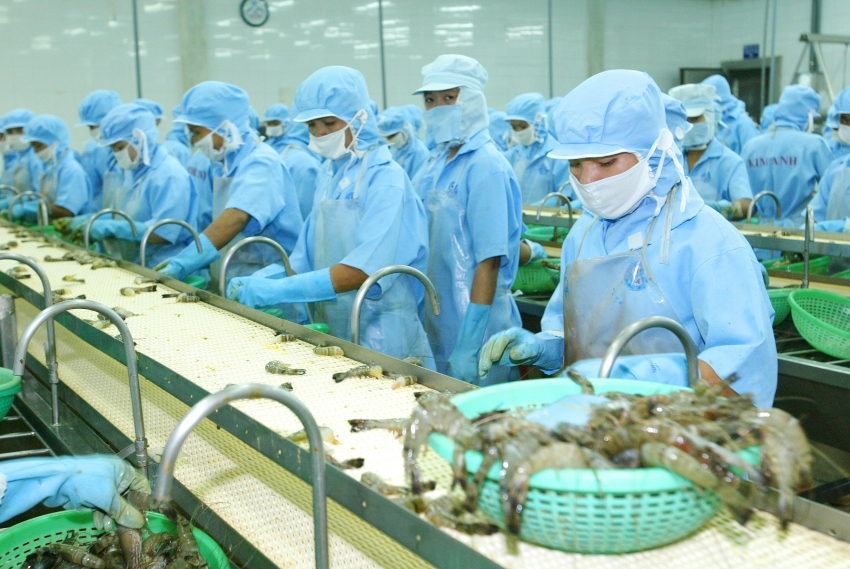
According to the latest data from the General Department of Customs, as of September 15, the country’s total export turnover exceeded $325 billion, up 15.8 per cent compared to the same period in 2024. Seafood alone accounted for almost $7.6 billion, marking a 13.5 per cent increase. This performance underscores the possibility of the sector achieving the $10 billion milestone by year-end.

Key export products have contributed to this robust growth. Shrimp remained the mainstay with revenue of close to $3 billion, up nearly 23 per cent, while lobster continued to shine as a star performer, reaching $536 million, an impressive surge of almost 194 per cent. Basa fish exports recovered with a value of just over $1.4 billion, up 9.7 per cent. Meanwhile, molluscs, including squid, octopus, and bivalves, also grew more than 20 per cent, reaching almost $650 million. By contrast, tuna posted a slight decline of 2.3 per cent, reflecting instability in both supply and market demand.

Export markets also revealed dynamic shifts. The Comprehensive and Progressive Agreement for Trans-Pacific Partnership led the way with over $2 billion, accounting for more than 27 per cent of total seafood exports. China and Hong Kong recorded the sharpest growth, up nearly 39 per cent to $1.56 billion. The United States retained third position with $1.25 billion, an 8.7 per cent increase and equivalent to 17 per cent of total exports.

This momentum is mirrored in the business results of leading enterprises. Vinh Hoan Corporation reported a 53.7 per cent jump in net profit in the second quarter of 2025, with its gross margin improving from 14.7 per cent to 19.5 per cent. Meanwhile, Minh Phu Seafood Corporation achieved a near 330 per cent surge in profit after tax in the same quarter, reaching $165 billion, the highest in 10 quarters thanks to a strategic focus on value-added products.

Despite these record-breaking figures, the outlook for 2026 is far less optimistic. According to Le Hang, deputy secretary general of the Vietnam Association of Seafood Exporters and Producers, the sector will soon face significant challenges as a series of trade barriers are set to take effect, particularly in the US.

“A 20 per cent countervailing duty makes Vietnamese seafood less competitive compared to rivals from Thailand, Indonesia, or Ecuador. The industry also faces the risk of high anti-dumping tariffs on shrimp under the forthcoming POR19 review,” she said

More critically, from January 1, 2026, the US will ban imports from 12 Vietnamese fisheries not recognised as equivalent under the Marine Mammal Protection Act (MMPA), potentially resulting in an annual revenue loss of more than $500 million. Meanwhile, the EU’s yellow card on illegal, unreported, and unregulated (IUU) fishing remains unresolved, while new international regulations on minimum tuna size and restrictions on raw material mixing add further compliance pressure.

Analysts predict that American importers will accelerate orders through mid-November 2025 to ‘front-run’ these trade barriers. As a result, export growth may surge in September and October. However, from late November onwards, shipments are expected to stagnate, paving the way for a difficult period in the first half of 2026.

In response, many Vietnamese seafood companies are exploring market diversification towards Asia, the Middle East, and South America. However, these strategies are long term, and the US continues to be Vietnam’s most important market. Without breakthroughs in tackling anti-dumping duties and the MMPA restrictions, an export decline in 2026 appears inevitable.

Experts suggest three urgent priorities for the sector: accelerating efforts to remove the EU’s IUU yellow card, strengthening legal and policy advocacy in the US, and investing in transparent, traceable supply chains that comply with stricter global standards.

“While Vietnam’s seafood exports are on course to reach the historic milestone of $10 billion in 2025, behind this growth lies a darker prospect. Without effective solutions, the industry may have to trade one year of strong growth for another year of daunting challenges,” said Hang.